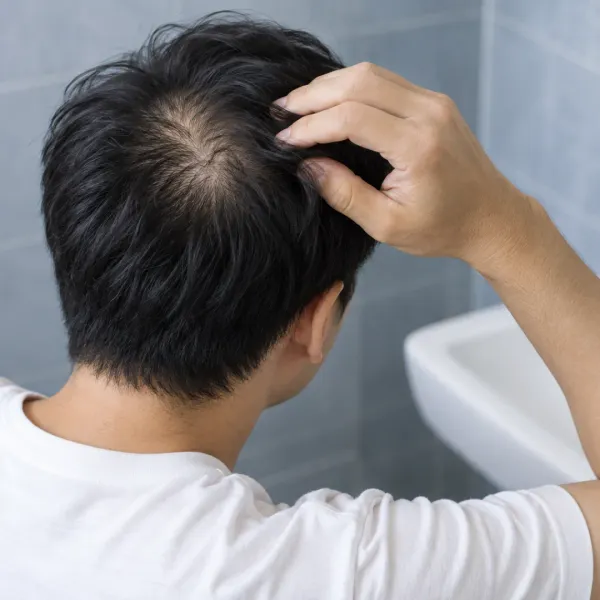
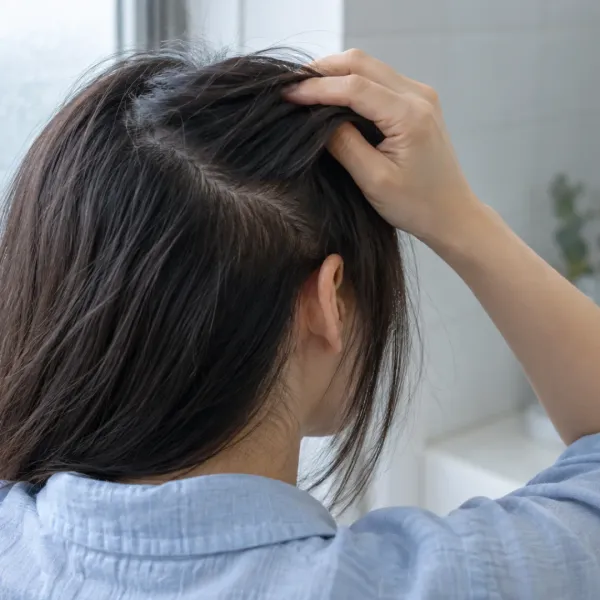
Best Hair Loss Treatment for Men: What to Know First
You notice more hair in the shower drain, the part looks wider in photos, and the hairline seems to be creeping back. Then you search online and land on a wall of sprays, pills, lasers, supplements, and clinic ads. The best hair loss treatment for men is usually not a single product but the option that fits the cause of the thinning, the person's health, and their goals, which is why a proper evaluation by a qualified professional matters first.
The sections below walk through three questions in order, from the simplest to the most nuanced. The goal is to help you understand the landscape and ask better questions, not to tell you what to use.
What is actually causing the hair loss?
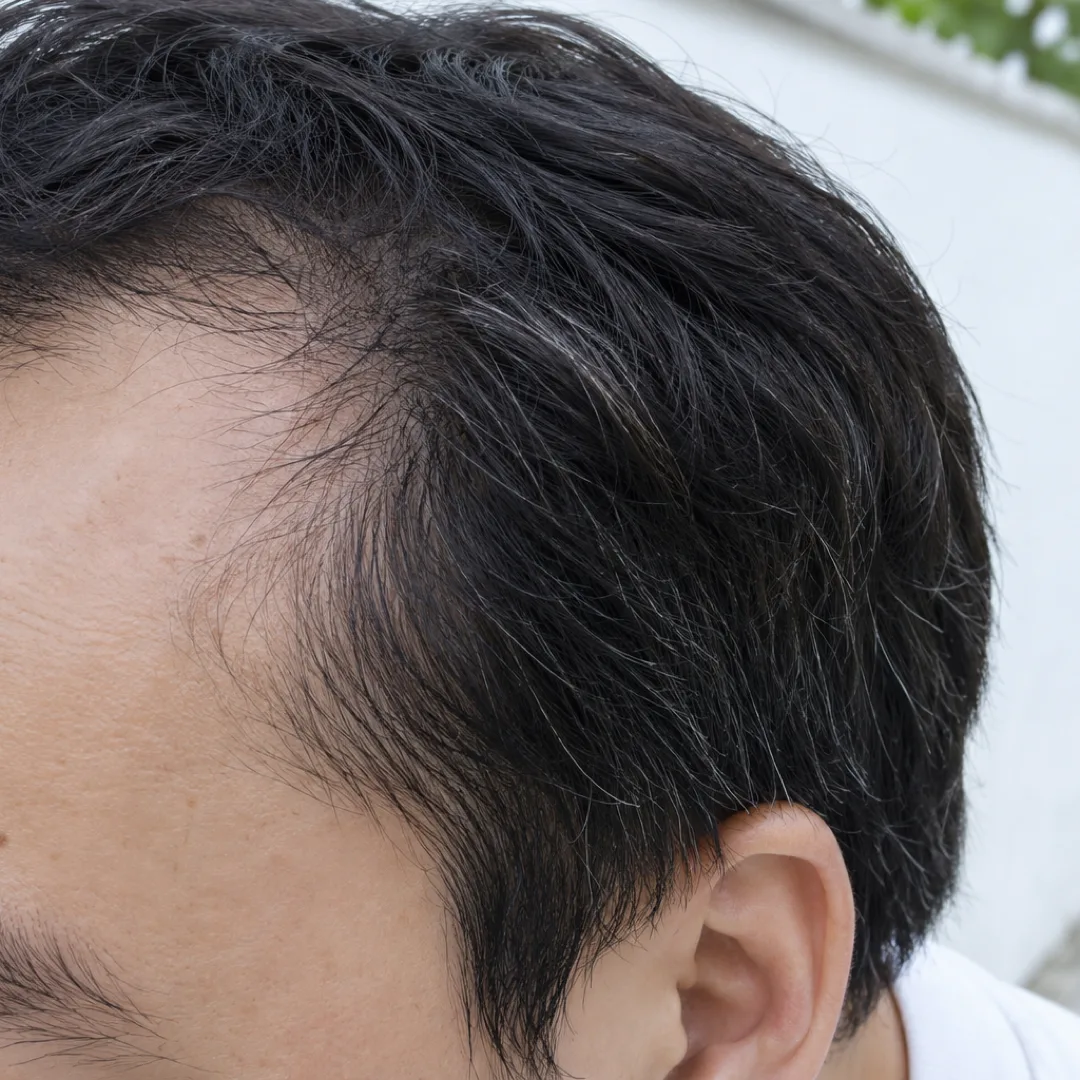
The most common cause of thinning in men is generally described as male pattern hair loss, sometimes called androgenetic alopecia. According to MedlinePlus general guidance, it is linked to genetics and hormones, and it tends to progress gradually, often starting at the temples or crown. It is the pattern most people picture when they think of "going bald."
That said, not all hair loss is pattern loss. Shedding can also be tied to physical or emotional stress, illness, significant weight change, nutritional gaps, thyroid problems, certain medications, and scalp conditions. There are several distinct types of hair loss, and each can look different on the scalp.
Signs that point toward something other than pattern loss
Some features suggest it is worth getting checked sooner rather than later:
- Hair coming out in round or patchy areas rather than receding gradually
- Sudden, heavy shedding over a short time
- A scalp that is red, scaly, painful, itchy, or inflamed
- Hair loss that appears alongside fatigue, weight changes, or other new symptoms
- Broken hairs or thinning in areas where tight styles, heat, or chemicals are regularly used
These patterns can have causes that respond very differently from typical pattern loss. A dermatologist or primary care clinician can examine the scalp, ask about history, and decide whether tests are needed. Guessing from a mirror is rarely reliable.
Why timing and diagnosis matter
Pattern hair loss is generally understood to be progressive, which is why many people ask about acting early. Treatments are usually aimed at slowing further loss or supporting existing hair, and results vary from person to person. Hair that has been lost for a long time may be harder to bring back.
Because the cause shapes the plan, a clear diagnosis tends to save time and money. It also avoids spending months on a product that was never going to address the real issue.
how to tell pattern hair loss from stress-related sheddingWhich treatments are commonly used, and what are their limits?
Widely used options fall into a few groups: topical products, prescription medicines taken by mouth, in-office procedures, device-based approaches, and surgical hair restoration. No single option suits every man, and none comes with a guaranteed outcome. What follows is a general overview, not a recommendation.
Topical minoxidil
Minoxidil is an over-the-counter topical product that is widely used for pattern hair loss in men. Responses vary from person to person, and any effect generally depends on continued use.
Common questions involve scalp irritation, temporary increased shedding early on, and what happens if a person stops. Reactions differ from person to person. Anyone considering it should read the product label carefully and talk with a pharmacist or doctor, particularly if they have other health conditions, skin sensitivities, or take other medicines.
Prescription oral medicines
Finasteride is a prescription medicine that is commonly discussed for male pattern hair loss. Prescribers generally talk through potential benefits alongside possible side effects, and these can differ between individuals.
Whether it is appropriate, and how it would be monitored, is a decision for a licensed prescriber. Dosing and duration are set by that clinician, not by online guides. People with existing health conditions or family plans should raise them openly during the visit.
In-office and device-based options
Some clinics offer procedures such as platelet-rich plasma injections, and some consumer devices use low-level light for the scalp. Evidence for these approaches is often described as more limited or mixed compared with the medicines above, and results vary widely.
Cost is a real consideration here, since these options are often ongoing and may not be covered by insurance. It is reasonable to ask a provider what outcomes are realistic, how progress is measured, and what the total cost over time might look like.
Hair transplant surgery
Surgical restoration moves hair from denser areas of the scalp to thinner ones. It is generally considered for people with stable, well-established pattern loss and enough donor hair. It is important to choose a properly qualified, licensed surgeon, since technique and judgment can strongly influence the outcome.
Surgery may not stop ongoing loss in the hair that remains, so many people still discuss medical options alongside it. Recovery, scarring, and the possible need for follow-up procedures are worth raising during a consultation.
what to ask during a hair transplant consultationSupplements and "natural" products
Biotin gummies, saw palmetto, shampoos with bold claims, and herbal oils are heavily marketed. The evidence for many of them in healthy adults is limited, and marketing claims often go further than the research. Tell a clinician about any supplements you take, since they can be relevant to your care.
If a true nutritional deficiency is part of the picture, a professional can identify it through an exam or testing. Taking supplements without knowing that is more likely to cost money than to change hair density, though individual experiences differ.
How can you decide what fits your situation?
The most useful starting point is a visit with a dermatologist or primary care clinician rather than a search for a universal winner. The "best" option depends on the diagnosis, how advanced the thinning is, other health conditions, current medicines, budget, and how much risk or inconvenience a person is willing to accept. Two men with similar-looking hairlines can reasonably end up with different plans.
Questions worth bringing to an appointment
- What type of hair loss do I have, and how do you know?
- Do I need blood tests or a scalp exam to rule out other causes?
- What are the realistic goals: slowing loss, partial regrowth, or cosmetic coverage?
- What side effects should I watch for, and what should prompt me to call you?
- How long before we can judge whether something is working?
- What happens if I stop, and what will it cost over time?
Writing these down beforehand makes the appointment more productive. It also helps to take a few dated photos of the scalp in similar lighting, since gradual change is hard to judge by memory.
Setting realistic expectations
Hair cycles are slow, so any change generally shows up gradually, over months rather than days. It can take a good while before a treatment's effect becomes clear, and some men see little change. Beware of anything promising instant or dramatic results, since those claims are a common sign of unreliable marketing.
Some men decide that cosmetic approaches, such as a shorter cut, shaved head, scalp micropigmentation, or simply leaving things as they are, feel right for them. That is a valid choice. The healthiest approach is one a person can maintain comfortably without feeling pressured by ads.
When to seek care sooner
Prompt medical attention is reasonable if hair loss is sudden, patchy, painful, or accompanied by other symptoms such as unexplained fatigue, weight change, skin rash, or a very irritated scalp. The same goes for anyone who develops concerning symptoms after starting a medicine. Emotional distress about hair loss is also common and valid, and a clinician or mental health professional can help if it is weighing on daily life.
In short, the best hair loss treatment for men is the one chosen with a qualified professional after the cause is understood, with honest expectations about limits and variation from person to person.
Frequently asked questions
Do hats, frequent shampooing, or hair products cause male pattern hair loss?
These habits are generally not considered the main cause of pattern hair loss, which is mostly linked to genetics and hormones. Very tight headwear, harsh chemical treatments, or heat styling can sometimes damage or break hair, though, and scalp irritation can add to shedding. A clinician can help sort out which factors apply.
Is hair loss in a man's twenties different from hair loss later in life?
Pattern loss can begin early in some men, and earlier onset is often discussed in the context of family history. Because younger men are also more likely to have other contributors such as stress or nutritional issues, an evaluation is especially worthwhile. The approach may differ depending on age, goals, and health history.
Can hair loss treatments affect fertility or overall health?
Any medicine can have effects that a prescriber will want to discuss, including for men trying to conceive. Reactions vary between individuals, and the details depend on the specific product. Share your health history and any current medicines with a doctor or pharmacist before starting anything.
Disclaimer: This article is for informational purposes only and is not a substitute for professional medical advice, diagnosis, or treatment. Please consult a licensed professional for personal health decisions.