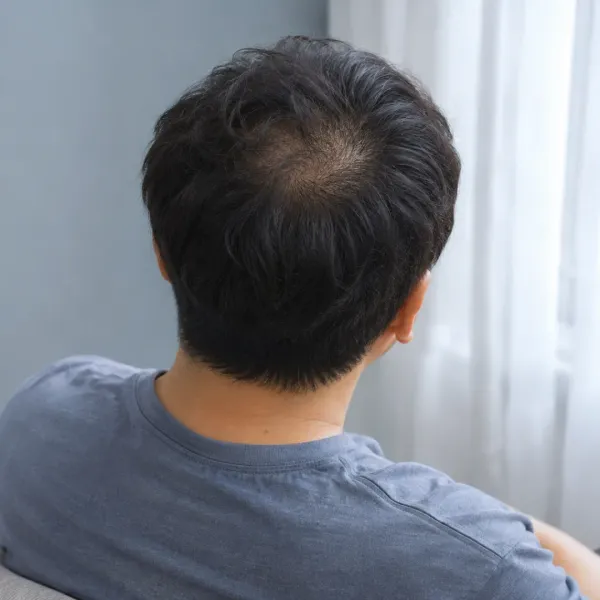
Best Vitamins for Hair Loss Prevention: Match the Cause First
Two people can notice the same thinning at the part line and need completely different solutions, which is why the best vitamins for hair loss prevention depend on what is driving the shedding in the first place. A nutrient gap, a hormonal shift, a stressful illness, and inherited pattern thinning can all look alike in the mirror. Only some of them have anything to do with vitamins. This article walks through the common branches, how people usually try to tell them apart, and where supplements fit and where they do not.
Nothing here is a diagnosis. Hair changes can reflect many conditions, and personal variation is large, so treat this as background for a conversation with a qualified professional rather than a plan to follow on your own.
Sorting Out the Cause Before Choosing a Supplement
Hair grows in cycles, and a normal amount of daily shedding is part of that. When people notice more hair in the shower drain or on the brush, the reason usually falls into a few broad groups. Dermatology organizations such as the American Academy of Dermatology describe several common types of hair loss, and each has its own pattern and its own typical approach.
- Nutrient-related shedding: Hair may shed more when the body lacks certain nutrients, such as iron or vitamin D, or when overall food intake has dropped sharply.
- Stress or illness-related shedding: A major illness, surgery, childbirth, or a period of intense stress is often followed, some weeks to months later, by diffuse shedding across the scalp.
- Pattern thinning: Gradual thinning at the crown or temples, or a widening part, is commonly linked to genetics and hormones rather than vitamins.
- Medical or medication-related causes: Thyroid conditions, autoimmune conditions, scalp disorders, and some medications can all affect hair.
- Styling and traction: Tight hairstyles, heat, and harsh chemical treatments can break or pull hair over time.
The reason this sorting step matters is simple: a vitamin can only help if a vitamin was the problem. Taking a supplement for the wrong cause tends to waste money and, more importantly, time that could have gone toward finding the real explanation.
Related reading: GLP-1 Drugs Approved for Weight Loss: What They Actually Do
If the Cause May Be a Nutrient Gap
How people check whether this fits
A nutrient-related cause becomes more plausible when shedding appears alongside a change in eating habits, such as crash dieting, a restrictive eating pattern, a period of poor appetite, or a diet with few varied foods. It can also come up with heavy menstrual bleeding, digestive conditions that affect absorption, or certain medications. The thinning is often diffuse rather than concentrated in one patch.
The only reliable way to know is testing. Clinicians commonly use blood work to look at markers such as iron stores, vitamin D, vitamin B12, and thyroid function. The National Institutes of Health Office of Dietary Supplements notes that research on supplements and hair is mixed, and that benefits are most plausible for people who are actually deficient.
If a gap is confirmed
When a deficiency is found, a clinician or registered dietitian decides what to do about it, including whether food changes, a supplement, or both make sense. The form and amount depend on the test results, your health history, and other medicines you take, so it is not something to guess at from an article. Ask a pharmacist or doctor before starting any supplement.
Nutrients that frequently come up in this context include:
- Iron: Low iron stores are a commonly discussed contributor to shedding, particularly in people who menstruate. Because too much iron can be harmful for some people, this is one to test before supplementing.
- Vitamin D: Often studied in relation to hair follicle function, and many people have lower levels than they realize, especially with limited sun exposure.
- Zinc: Involved in normal tissue growth and repair. Both too little and too much can be a problem, so balance matters.
- B vitamins, including biotin and B12: Biotin is heavily marketed for hair, yet true biotin deficiency is uncommon in people eating varied diets, according to NIH general guidance.
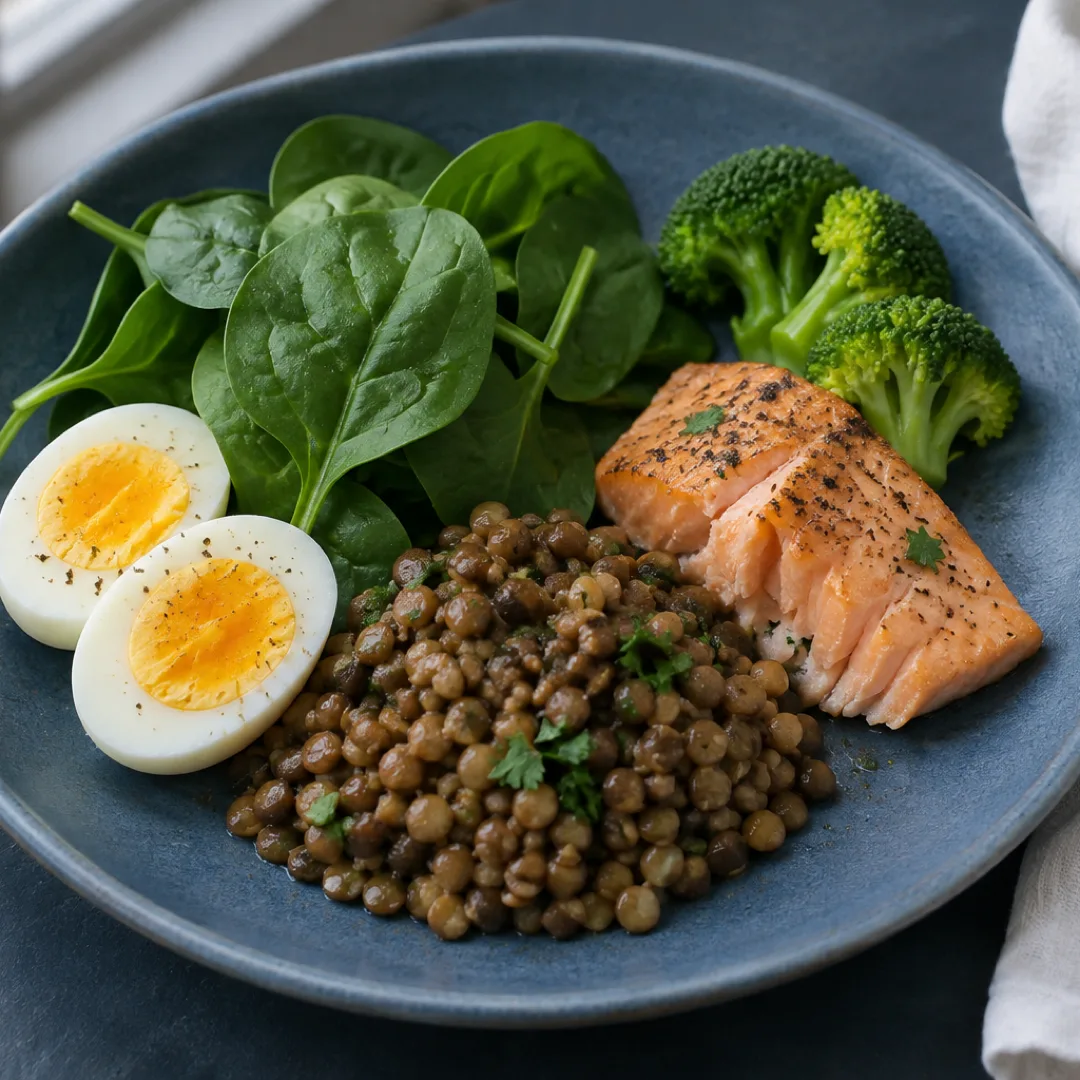
- Protein and overall calories: Not a vitamin, but hair is made largely of protein, and very low intake is a known setup for shedding.
The cost of guessing wrong
If you have no deficiency, extra vitamins may not change much, and some can cause trouble at high intakes. The U.S. Food and Drug Administration has also warned that biotin supplements can interfere with certain lab tests, including some thyroid and heart-related tests, which can lead to misleading results. Tell any clinician who orders blood work that you take biotin or a hair supplement that contains it.
If the Cause May Be Stress, Illness, or a Big Life Change
How people check whether this fits
This branch often has a recognizable timeline. Someone has a high fever, a major surgery, a significant emotional shock, a pregnancy and delivery, or a sudden weight change, and a couple of months later notices hair coming out in larger amounts. The shedding tends to be spread across the whole scalp instead of forming a bald spot. Dermatology sources commonly describe this temporary pattern as telogen effluvium.
What tends to help here
In many cases, shedding of this type settles on its own once the trigger passes, though regrowth takes time and the pace varies. Vitamins are not the main lever in this situation unless a nutrient gap is also present. Supporting recovery through regular meals, adequate rest, and managing the underlying stressor is what clinicians generally emphasize.
If shedding continues for a long stretch, or you cannot identify a trigger, that is a good reason to book a visit instead of adding more supplements. A prolonged pattern can point to something else that needs evaluation.
If the Cause May Be Inherited Pattern Thinning
How people check whether this fits
Gradual thinning that runs in the family, a receding hairline, a thinning crown, or a part that slowly widens often suggests a pattern-type cause. It usually progresses over years rather than weeks. Hair at the affected areas may look finer and shorter before it disappears.
Where vitamins fit, and where they do not
Vitamins are not generally considered a way to stop or reverse inherited pattern thinning. The American Academy of Dermatology describes treatments for this type that are separate from supplements, and those options are decided with a dermatologist or other qualified clinician after an examination. If you put your hope in a vitamin when the cause is hormonal and genetic, you may lose valuable months before getting an appropriate evaluation.
Some people still choose to take a general multivitamin or to improve their diet for overall wellness, which is a reasonable personal choice. It just should not be expected to change the underlying pattern.
What Tends to Help Across Most Causes
Whatever the branch, a few habits are broadly useful and low in drama. None of them is a promise of regrowth, and results vary from person to person.
- A varied, balanced diet: Getting protein, iron-containing foods, healthy fats, and a range of fruits and vegetables is usually considered a stronger foundation than any single pill. Food sources also come with other nutrients that supplements lack.
- Gentle hair care: Reducing tight styles, repeated heat, and harsh chemical processing may limit breakage, which can look like thinning.
- Attention to scalp health: Persistent itching, scaling, redness, or pain deserves a professional look, since scalp conditions can affect hair.
- Patience: Hair grows slowly, so changes, if any, tend to show up over months rather than days.
- Honesty about what you take: Supplements and medicines can interact. Keep a list and share it with your pharmacist or doctor.
Supplement products are not reviewed by the FDA for effectiveness before they are sold, so marketing claims about hair are worth reading skeptically.
That caution reflects general FDA guidance on dietary supplements. Labels such as "hair growth formula" are marketing language, not proof that a product will work for your situation.
When to Talk to a Professional Sooner
Some changes are worth a prompt appointment rather than a wait-and-see approach:
- Hair loss that appears suddenly or in distinct patches
- Shedding together with fatigue, unexplained weight change, feeling unusually cold, or irregular periods
- A painful, itchy, scaly, or inflamed scalp
- Hair loss after starting a new medication
- Thinning in children or teens
- Loss that keeps worsening or has lasted a long time with no clear trigger
A primary care clinician can order basic testing and refer you to a dermatologist if needed. Bringing photos, a timeline of changes, and your supplement list tends to make the visit more productive.
Conclusion: Pick the Branch, Then Pick the Tool
The best vitamins for hair loss prevention are not a single universal list. If testing shows a nutrient gap, addressing that gap under professional guidance is the logical route. If shedding follows illness, stress, or a big life change, time and recovery usually matter more than supplements. If the thinning is gradual and runs in the family, vitamins are unlikely to be the main answer, and a dermatology evaluation is the more useful step.
When it is hard to tell which branch you are on, the practical choices are to start with a primary care visit and basic blood work, to see a dermatologist for a scalp exam, or to ask a pharmacist to review what you already take. Any of these beats stacking up products and hoping one sticks.
Frequently asked questions
Is biotin the right vitamin if my hair is thinning?
If your diet is varied, a biotin shortfall is uncommon, according to NIH general guidance, so biotin may not address your thinning. It can also interfere with some lab tests, as the FDA has cautioned, so tell your clinician if you take it.
Should I get blood work before buying a hair supplement?
If you suspect a nutrient gap, testing is generally how clinicians confirm it, since symptoms alone cannot show which nutrient, if any, is low. Testing also helps avoid taking something you do not need.
Can vitamins help if hair thinning runs in my family?
If the pattern is gradual and inherited, vitamins are generally not considered the main approach, and options for that type are discussed with a dermatologist. A balanced diet can still support overall health.
How long does it take to see a change in shedding?
If shedding is tied to a past trigger or a corrected nutrient gap, changes tend to appear gradually over months because hair grows slowly. Timelines differ between people, so a clinician can help set realistic expectations.
Disclaimer: This article is for informational purposes only and is not a substitute for professional medical advice, diagnosis, or treatment. Please consult a licensed professional for personal health decisions.