Bloating After Eating Causes: Why Your Belly Swells
Bloating after eating causes that tight, stretched, full feeling in the upper or lower belly, sometimes with visible swelling, gurgling, or belching. It usually traces back to gas, slowed movement through the gut, or a gut that is extra sensitive to normal stretching. Understanding the chain of events behind it makes the pattern easier to read, and it helps you decide when a conversation with a clinician is worth having.
What bloating after a meal actually looks and feels like
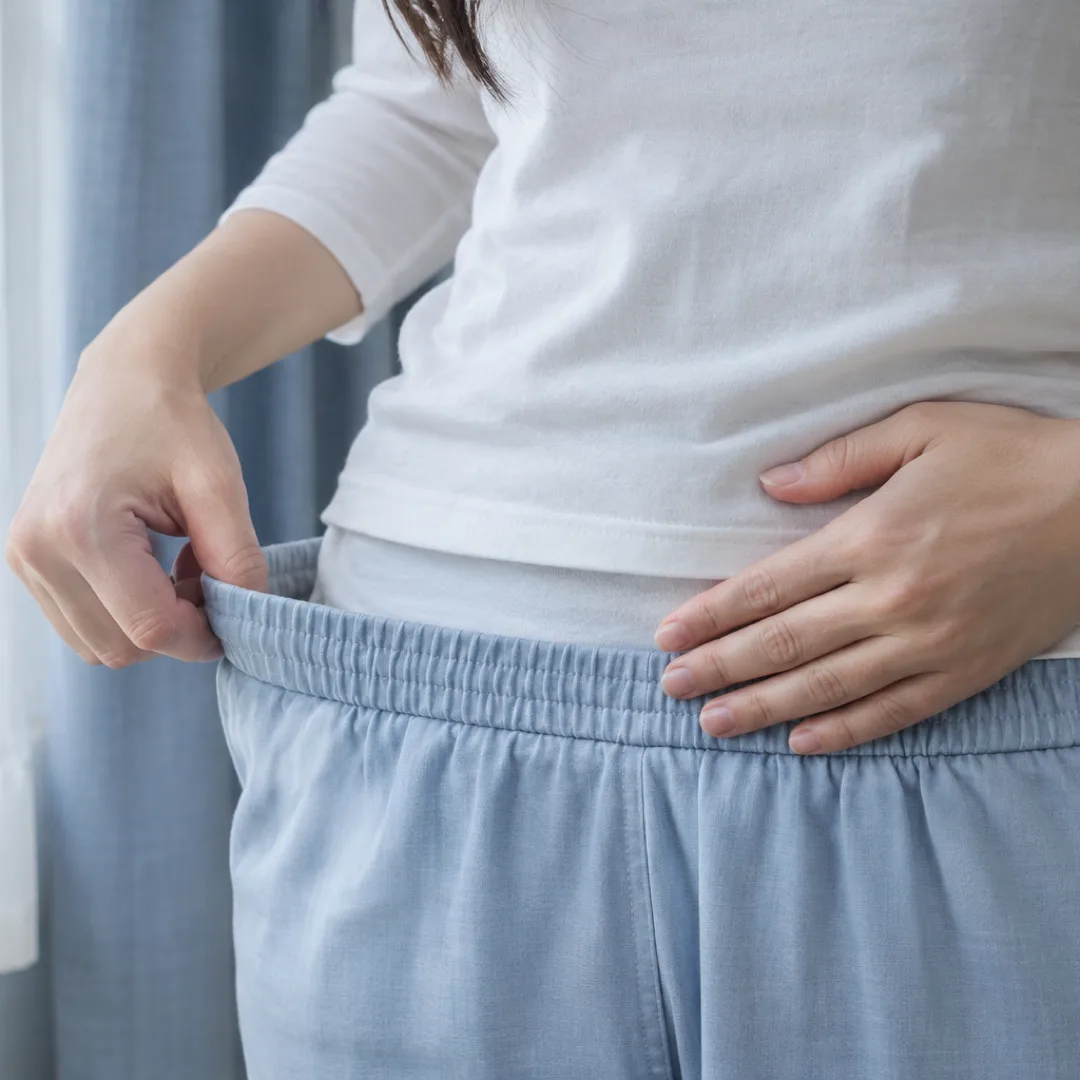
People describe it in different ways. Some feel pressure under the ribs, others feel a tight waistband by mid-afternoon, and some notice their abdomen is visibly larger by evening than it was in the morning. Rumbling, passing gas, and belching often come along for the ride.
It helps to separate two things that get lumped together. Bloating is a sensation of fullness or pressure. Distension is a measurable increase in belly size. Some people have one without the other, and that difference is one reason the experience feels so personal.
According to the NIDDK (National Institute of Diabetes and Digestive and Kidney Diseases), gas and bloating are common digestive complaints, and in many cases they relate to what and how a person eats. Still, the same sensation can come from very different causes, which is why the chain below matters.
The first-level causes behind post-meal bloating
Most everyday explanations fall into a few groups. They overlap, and more than one can be at work in the same person on the same day.
Swallowed air
Eating quickly, talking while chewing, drinking through straws, chewing gum, and sipping fizzy drinks all bring extra air into the digestive tract. Some of it comes back up as burping, and some travels farther down. The Mayo Clinic and NIDDK both describe swallowed air as a familiar contributor to gas and belly fullness.
Gas made by gut bacteria
Some carbohydrates are not fully broken down in the small intestine. They reach the large intestine, where bacteria ferment them and release gas. Beans, certain vegetables, some fruits, sweeteners such as sorbitol, and many high-fiber foods are commonly mentioned in general guidance from the NIDDK.
Difficulty digesting certain foods
Lactose intolerance is a well-known example. When the body makes too little of the enzyme that breaks down lactose, dairy can lead to gas, cramps, and bloating. MedlinePlus describes this pattern, and it tends to show up within a few hours of eating dairy. Other food reactions, including celiac disease and non-celiac gluten sensitivity, can also involve bloating, though they are separate conditions that need proper evaluation.
Slower movement through the digestive tract
Constipation is a frequent and easily overlooked reason for bloating. When stool moves slowly, gas can build up behind it. Delayed stomach emptying, sometimes called gastroparesis, is a different and less common issue that can cause early fullness and bloating after meals; the NIDDK offers general information on it.
Conditions that can include bloating
Irritable bowel syndrome, small intestinal bacterial overgrowth, functional dyspepsia, and some gynecologic or liver-related conditions can all list bloating among their symptoms. Only a clinician can sort out whether any of these apply to a specific person.
How the chain works, step by step
Underneath those causes, bloating usually follows a recognizable sequence. The steps below describe the general mechanism, not a diagnosis.
- Food and air arrive in the stomach. The stomach stretches to hold a meal. Swallowed air adds to the volume.
- Digestion begins, then hands off. Food moves into the small intestine, where enzymes break down fats, proteins, and many carbohydrates.
- Undigested material continues on. Carbohydrates that are not absorbed travel to the large intestine.
- Bacteria ferment what remains. This produces gas, and some fermentation by-products also draw water into the bowel.
- The gut wall stretches. Sensors in the intestinal wall detect that stretch and send signals to the brain.
- The abdominal wall and diaphragm respond. In some people, the diaphragm lowers and the belly wall relaxes in a way that pushes the abdomen outward, even without a large amount of extra gas.
In plain terms: if something slows steps two through four, or if the gut is touchy at step five, the result tends to be that familiar tight fullness.
A few related ideas are worth knowing. The gut and brain communicate constantly, so stress, poor sleep, and anxiety can change how strongly the gut reacts to normal activity. Hormonal shifts across the menstrual cycle are also commonly linked with changes in bloating, according to general women's health guidance from the Office on Women's Health.
Why the same meal bloats one person and not another
Two people can eat identical food and have very different afternoons. Several things explain this.
- Enzyme levels differ. Some adults make plenty of lactase; others make less. Many people notice dairy tolerance changes over time.
- Gut bacteria differ. Each person's microbiome is distinct, so the same fiber can produce more gas in one person than another.
- Sensitivity differs. Some people have a gut that registers ordinary stretching as discomfort, which is a feature often discussed in irritable bowel syndrome.
- Eating habits differ. Meal size, speed, and timing all change how much air and food the gut handles at once.
- Medications and supplements differ. Some can affect digestion or bowel habits. A pharmacist or prescriber can explain whether a specific product might play a role.
- Body mechanics differ. Posture, abdominal muscle tone, and how the diaphragm and belly wall coordinate can affect how swelling looks and feels.
That variation is why a food that seems harmless for a friend may not be harmless for you, and why general lists of "problem foods" should be treated as starting points rather than rules.
When bloating deserves a medical conversation
Occasional bloating after a big or fast meal is common and often settles on its own. Certain patterns call for professional input rather than waiting it out. The NIDDK and Mayo Clinic both note that bloating together with other symptoms can point to something that needs evaluation.
- Bloating that is persistent, getting worse, or interfering with daily life
- Unplanned weight loss
- Blood in the stool, or black, tarry stools
- Ongoing vomiting or trouble swallowing
- Severe or worsening abdominal pain
- Fever, or a change in bowel habits that lasts
- Feeling full after only a few bites
- Bloating together with unusual fatigue or a family history of digestive or ovarian conditions
Persistent bloating in women, especially alongside pelvic pain or feeling full quickly, is something general guidance from health agencies suggests raising with a clinician rather than assuming it is diet-related. A clinician can ask about history, examine the abdomen, and decide whether tests are appropriate.
Two things to avoid once you understand the mechanism
First, avoid cutting out whole food groups on a guess. Since bloating can come from air, speed, constipation, or a specific intolerance, removing many foods at once can leave you restricted without learning the real trigger. It can also affect nutrition. If you suspect a food issue, a clinician or registered dietitian can help you test it in an organized way.
Second, avoid brushing off warning signs because bloating feels familiar. Because bloating after eating causes so many ordinary reactions, it is easy to assume every episode is minor. Weight loss, bleeding, persistent pain, or symptoms that keep returning are reasons to get checked rather than keep guessing.
Whether a prescription medicine or a specific dose is right for you is a decision to make with a doctor or pharmacist.
Frequently asked questions
Can eating too fast really cause bloating?
Yes, for many people it can. Eating quickly tends to bring in more swallowed air, and that extra air adds to the volume the digestive tract has to handle. If your bloating shows up mostly after rushed meals, that pattern is worth mentioning to a clinician if it continues.
Why does dairy make some people bloated but not others?
If your body makes less of the enzyme that breaks down lactose, undigested lactose can reach the large intestine, where bacteria ferment it and produce gas. People who make more of that enzyme often handle dairy without trouble. A clinician can help tell lactose intolerance apart from other conditions with similar symptoms.
Is constipation connected to feeling bloated after meals?
It can be. If stool moves slowly, gas can build up behind it, which may make fullness more noticeable after eating. When bowel habits change or stay irregular, it is reasonable to bring it up with a healthcare professional.
When is post-meal bloating more than an everyday annoyance?
If bloating comes with weight loss, blood in the stool, ongoing vomiting, severe pain, or a feeling of fullness after only a few bites, it deserves medical attention. The same applies if it is persistent or worsening over time. Official guidance from agencies such as the NIDDK lists these as reasons to seek care.
Disclaimer: This article is for informational purposes only and is not a substitute for professional medical advice, diagnosis, or treatment. Please consult a licensed professional for personal health decisions.