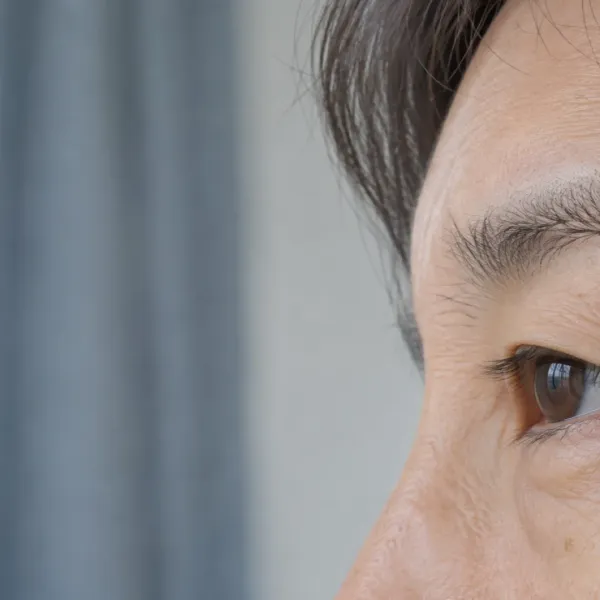
Eyelid Surgery With Brow Lift: When Are They Combined?
Eyelid surgery with brow lift is often discussed together because a heavy-looking upper eye area can come from more than one source. Extra skin on the lid, a brow that has settled lower over time, or both can contribute to a tired or closed-in look. Whether one procedure or both makes sense depends on anatomy, goals, and a hands-on evaluation by a qualified surgeon.
Interest in this pairing tends to rise as people notice changes in photos, video calls, and makeup application. Many readers search because they have heard that fixing only the eyelids may not fully change the look they want. This article explains the general ideas in plain language, and it does not replace an individual consultation.
Where the Combination Comes Up

The topic usually appears when someone sees a change around the eyes and tries to work out the cause. Upper eyelid skin can become looser with age, and the eyebrows can also descend gradually. Because the brow sits directly above the lid, a lower brow can push soft tissue downward and make the lid look fuller or more hooded.
Surgeons often describe this as an interaction rather than two separate problems. If the lid is addressed but the brow position is the main driver, the result may feel incomplete to some people. The reverse can also happen: lifting the brow may not remove the extra lid skin that is actually causing the hooded look.
Two everyday situations, imagined
Consider a hypothetical person in their late forties who notices that eyeshadow disappears into a fold and that their eyes look tired by afternoon. On examination, a surgeon might find that the brow position is reasonable but the lid skin is excess. In a case like this, eyelid surgery alone is often what gets discussed.
Now consider a different, equally hypothetical person whose brows sit low and flat, with the outer part of the brow drooping toward the eye. Here the lid skin may look excessive mostly because the brow has descended. A surgeon may talk about brow lifting, sometimes alongside eyelid surgery, so that the two are balanced against each other.
The Core Concepts, Explained Simply
What eyelid surgery generally involves
Eyelid surgery, often called blepharoplasty, is a procedure that reshapes the upper lids, lower lids, or both. According to the American Society of Plastic Surgeons' general public information, it commonly involves removing or repositioning skin, fat, and sometimes muscle. The goal is typically to address excess or drooping tissue around the eyes.
It is performed by licensed surgeons in medical settings, and the specific technique varies by person. The details of anesthesia, incision placement, and recovery are decided by the treating team.
What a brow lift generally involves
A brow lift repositions the eyebrows and sometimes the forehead tissue to a higher or more balanced position. Surgeons use different approaches, and the choice depends on brow shape, hairline, forehead height, and personal preference. Some approaches use small incisions, while others use a longer incision, and your surgeon explains which options may suit your anatomy.
Because the brow influences how the whole upper face reads, small changes in position can affect expression. This is one reason surgeons discuss brow position carefully before planning any eyelid work.
Why the two are sometimes planned together
When the brow is low, removing lid skin without addressing the brow can, in some people, make the brow sit even lower. Surgeons are generally aware of this relationship, which is why many evaluate the brow first. Planning both procedures in one session is one option, and staging them separately is another.
Combining procedures can mean one recovery period rather than two, but it also means a larger overall surgery. That tradeoff is worth discussing openly with a surgeon.
Related reading: Eyelid Surgery Risks and Complications: Aftercare Mistakes to Avoid
What Changes Depending on the Person
No single recommendation fits everyone. Several personal factors shape what a surgeon may suggest, and they are worth understanding before a consultation.
- Brow position and shape: A naturally low or flat brow is assessed differently from a brow that has descended with age.
- Amount and location of excess skin: Where the extra tissue sits can point toward the lid, the brow, or both.
- Forehead and hairline: These influence which brow lift approach, if any, may be considered.
- Dry eye tendencies: People who already have dry or irritated eyes may need extra discussion, since eyelid procedures can affect how the lids close and protect the eye.
- Medical history and medications: Blood-thinning products, healing conditions, and other health factors can affect candidacy and planning.
- Personal goals: Some people want a subtle, rested look; others want a more noticeable change. Clear expectations help.
Recovery also varies. Swelling, bruising, tightness, and temporary changes in sensation are commonly described after eyelid and brow procedures, and how long they last differs between individuals. Your surgical team gives specific aftercare guidance, and that guidance should come before anything you read online.
Medical need versus cosmetic goals
In some cases, very heavy upper lids can interfere with the upper field of vision. Insurance coverage in such situations generally depends on the plan's own rules and documentation, and purely cosmetic procedures are typically not covered. Check with your insurer and your surgeon's office instead of assuming either way.
Common Misunderstandings
"Eyelid surgery will lift my brows"
Eyelid surgery generally addresses the lids themselves and does not reposition the eyebrows. People sometimes expect a lifted look overall, and then feel surprised when the brow stays where it was. If brow position matters to you, raise it directly during consultation.
"A brow lift removes eyelid hooding on its own"
A brow lift can change how much skin sits on the lid by changing the brow position, but it does not remove excess lid skin. If the hooding comes mainly from lid skin, brow lifting alone may not meet expectations. A surgeon can help distinguish which source is dominant.
"Combining them is always better"
More surgery is not automatically a better result. Some people do well with one procedure, and adding another can be unnecessary. The right plan depends on examination, not on a general rule.
"Results look the same for everyone"
Healing, scarring, and final appearance vary from person to person, and no surgeon can promise a specific outcome. Reactions and complications are possible with any surgery, and your surgeon should walk you through the risks that apply to you.
"Any provider will do"
The American Board of Plastic Surgery and similar bodies publish general guidance on checking whether a surgeon is board certified and where they operate. It is reasonable to verify credentials, ask about experience with the specific procedure, and confirm that the facility is properly accredited. Nonsurgical alternatives may also come up in consultations, and a qualified professional can explain what they can and cannot do.
Preparing for a Consultation
Bring clear photos of how you looked in earlier years if you have them, since they help show how your features have changed. Think about what bothers you most, whether it is a hooded look, a heavy brow, vision blocking, or makeup trouble. Being specific makes the conversation more productive.
Useful topics to raise include what the surgeon sees as the main cause of your concern, whether one or both procedures are being suggested and why, what the recovery might look like for your situation, and what risks apply to you. Ask also about time away from work and social plans, since downtime differs by person and by technique. Questions about cost, revision policies, and anesthesia are also reasonable.
Be honest about your health history, including eye conditions, allergies, and any products you use regularly. Never change or stop a medicine on your own because of something you read; your surgeon or pharmacist will tell you what to discuss before surgery. A second opinion is a normal part of a big decision, and a good surgeon will not mind it.
Wrapping Up
Eyelid surgery with brow lift comes up because the brow and the upper lid influence each other, and sorting out which one drives the heavy look is the main task of a consultation. Some people need one procedure, some consider both, and some decide neither is right for them.
Key points in three lines
- Lid skin and brow position can each cause a heavy upper eye look, and they often overlap.
- Whether to do one procedure or both depends on a surgeon's examination, your goals, and your health history.
- Results and recovery vary, so expectations, risks, and credentials are worth discussing before deciding.
When to talk with a qualified professional
Consider seeing a licensed, board-certified surgeon if hooded lids affect your vision, if you are unsure which area is responsible for your concern, or if you have eye conditions, a complicated medical history, or earlier facial surgery. Seek prompt medical care if you notice sudden vision changes, severe pain, or unusual swelling after any procedure. A clinician who knows your situation is the right source for decisions about eyelid surgery with brow lift or any alternative.
Disclaimer: This article is for informational purposes only and is not a substitute for professional medical advice, diagnosis, or treatment. Please consult a licensed professional for personal health decisions.