Hair Loss Prevention Tips for Men: Start With the Cause
The same thinning hairline can come from very different causes, and that is why hair loss prevention tips for men work for some people and do nothing for others. A guy with inherited pattern thinning, a guy shedding after a rough few months, and a guy with an irritated scalp may all see the same thing in the mirror. The fix for each is different, and guessing wrong can cost months of effort and money. Below is a plain-language way to sort out which situation you may be in, what is generally known about each, and when it makes sense to bring in a professional.
Sorting Out the Possible Causes
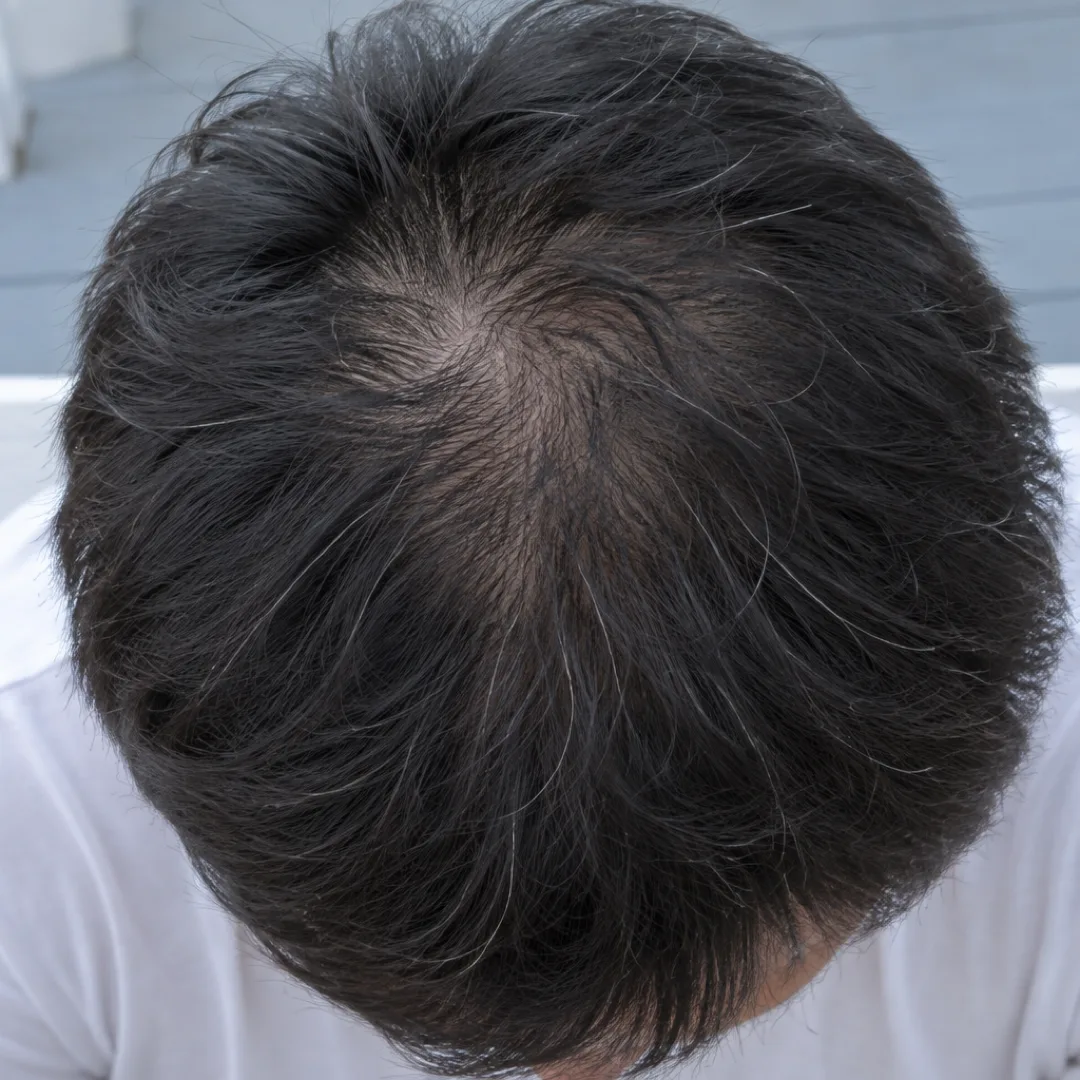
Hair loss in men usually falls into a few broad groups. The most common is pattern hair loss, often called androgenetic alopecia, which is linked to genetics and hormone sensitivity in hair follicles. This type often runs in families and tends to develop gradually over many years. Other groups include temporary shedding after stress, illness, or major life changes, scalp conditions such as dandruff or inflammation, patchy loss from autoimmune activity, and breakage from styling or chemical treatments.
Here is a rough way to think about the split:
- Gradual change at the temples or crown: often points toward pattern thinning.
- Sudden, widespread shedding: often points toward a temporary trigger such as illness, stress, or a big change in eating or weight.
- Itchy, flaky, or sore scalp with thinning: may point toward a scalp condition.
- Round, smooth bald patches: may point toward an autoimmune pattern and deserves a professional look.
- Broken hairs, short stubble-like strands: may point toward breakage from styling or chemicals.
These are patterns people commonly describe, not a diagnosis. Overlap is common, and some men have more than one thing going on at once.
If It Looks Like Pattern Thinning
How to tell whether this fits
Pattern thinning usually shows up slowly. The hairline may recede at the temples, the crown may widen, or the overall density may drop over a long stretch. Family history is a useful clue, though not a guarantee either way. Old photos taken in similar lighting can help you see whether the change has been steady rather than sudden.
What is generally known about handling it
According to the American Academy of Dermatology and MedlinePlus general guidance, pattern hair loss is typically managed with medical options that a clinician can discuss, and these tend to work best when started earlier rather than later. Some are applied to the scalp and some are taken by mouth, and each has its own considerations, including possible side effects. Whether any of these suit you depends on your health history, other medications, and goals, so the decision belongs in a conversation with a dermatologist or other qualified clinician. Amounts, frequency, and timing are set by the prescriber or the product label, not by an article.
It also helps to know the limits. These options generally aim to slow thinning or support existing hair, and results vary from person to person. Stopping them often means the benefit fades over time. Many men notice changes only gradually, if at all.
What a wrong guess costs you
If your thinning is actually pattern-related and you spend a year on scalp scrubs, trendy shampoos, or supplements, you may lose valuable time while follicles continue to miniaturize. On the flip side, if the cause is something temporary, starting a long-term medical option may be unnecessary. This is a good reason to get an assessment before committing to a plan.
Related reading: Postpartum Hair Loss: How Long Does It Last?
If It Looks Like Temporary Shedding
How to tell whether this fits
Temporary shedding often arrives a few months after a trigger. Common triggers include a high fever or illness, surgery, major emotional stress, rapid weight change, or a new medication. The hair may come out in larger amounts during washing or brushing, and the loss tends to feel diffuse across the whole scalp rather than concentrated at the hairline or crown.
What generally helps
According to the American Academy of Dermatology, this kind of shedding often settles on its own once the trigger resolves, though regrowth can take a while to become noticeable. Supporting the basics tends to be the sensible approach: eating regular, balanced meals, getting enough rest, and managing stress in ways that work for you. If a medication might be involved, do not stop it on your own. Ask the prescriber or a pharmacist whether it could be a factor.
Nutrient shortfalls such as low iron or thyroid problems can also be tied to shedding, and these are things a clinician can check with simple testing. Taking supplements without knowing whether you actually need them is a common detour. Some supplements can interact with medications or cause problems in excess, so check with a pharmacist or doctor before starting any.
What a wrong guess costs you
If you assume this is permanent pattern loss, you may worry far more than needed. If you assume it is just temporary and it keeps going for a long time, you might delay finding an underlying issue. A rule of thumb many people use: if shedding continues well beyond what seems tied to a clear trigger, get it looked at.
If the Scalp Seems to Be the Problem
How to tell whether this fits
Look for visible flaking, redness, greasy buildup, itching, or tenderness. Hair thinning that coincides with these signs may be connected to a scalp condition such as seborrheic dermatitis or another form of inflammation. Some men notice that the scalp feels irritated before they notice hair changes at all.
What generally helps
According to MedlinePlus general guidance, dandruff and similar scalp conditions are often managed with medicated shampoos, and the right type depends on the condition. Which product fits, how often it is used, and how long to continue are details to confirm with the label, a pharmacist, or a dermatologist. Persistent redness, painful bumps, crusting, or spreading patches should be examined in person rather than self-treated, since several different conditions can look alike.
What a wrong guess costs you
Treating a scalp infection or inflammatory condition as plain dryness can let it linger. Harsh scrubbing or heavy product layering on an irritated scalp may make things worse for some people. Gentle handling and a proper identification of the problem usually beat trial and error.
If You See Patches or Breakage
Smooth, round bald patches are a different category. Dermatology organizations such as the American Academy of Dermatology describe patchy hair loss as something that can be related to the immune system, and it is best evaluated by a clinician rather than managed by guesswork. The same goes for any scalp area with scarring, pain, or pus-like drainage, because some types of hair loss can damage follicles permanently if left unaddressed.
Breakage is more mundane but still worth naming. Tight hairstyles, frequent bleaching, heavy heat styling, and aggressive towel drying can snap hairs or stress follicles over time. If you notice short broken strands rather than hairs with a bulb at the root, styling habits may be part of the story. Easing off the habit that stresses the hair is generally the first thing people try, and a stylist or dermatologist can weigh in if you are unsure.
What Tends to Help Whatever the Cause
Some habits are not cures, but they support overall hair and scalp health regardless of which branch you land in. Results vary, and none of these replaces an evaluation if something looks off.
- Balanced eating. Hair is living tissue that depends on general nutrition. Crash diets and very restrictive eating are commonly associated with shedding.
- Gentle hair care. Mild cleansing, avoiding constant pulling or tight styles, and limiting harsh chemical treatments are widely suggested.
- Sleep and stress habits. Stress and poor sleep are often discussed as contributors to shedding, even if the link differs from person to person.
- Not smoking. Public health agencies such as the CDC describe wide-ranging effects of smoking on the body, and some research has explored links with hair health.
- Sun care for the scalp. A thinning scalp can burn easily, so hats and sun protection are a practical habit.
- Tracking changes. Periodic photos in consistent lighting make it easier to tell whether things are changing, and give a clinician something concrete to look at.
Be wary of products that promise to stop or reverse hair loss quickly. The U.S. Federal Trade Commission has long cautioned consumers about exaggerated health and beauty claims, and hair growth is a category where marketing often outpaces evidence. If a claim sounds too neat, it probably is.
When to Get It Checked
It is reasonable to book an appointment with a dermatologist or primary care clinician if any of these apply:
- Hair loss is sudden, heavy, or happening in patches.
- The scalp is painful, very itchy, scaly, or showing sores.
- Loss comes with fatigue, unexplained weight change, or other symptoms that feel unrelated.
- You started a new medication around the time shedding began.
- Thinning is progressing and you want to understand your options early.
A professional can look at the scalp directly, ask about family and medical history, and order tests if needed. That is the most reliable way to avoid pouring effort into the wrong fix.
Bringing It Together
If the change is slow and centered on the hairline or crown, pattern thinning is a common explanation, and an earlier conversation with a clinician about medical options tends to be more useful than a long run of over-the-counter experiments. If shedding appeared suddenly after illness, stress, or a medication change, a temporary cause is more likely, and the focus is often on addressing the trigger and giving the hair time. If the scalp is inflamed or flaky, the scalp itself may need attention first. Patches, scarring, or pain call for a professional evaluation rather than home guesswork, and breakage points toward easing up on styling stress.
When you cannot tell which branch fits, you have a few sensible choices: take dated photos for a few weeks to see the trend, write down recent illnesses, stressors, and medication changes, and then book a visit with a dermatologist or your regular clinician. Good hair loss prevention for men begins with identifying the cause, and the right next step follows from there.
Frequently asked questions
Can I tell on my own whether my hair loss is pattern thinning?
If the change is gradual, concentrated at the temples or crown, and runs in your family, pattern thinning is a common explanation. That said, several conditions can look similar, so a dermatologist's exam is the more reliable way to confirm it.
Is shedding after a stressful period permanent?
If the shedding followed a clear trigger such as illness or major stress, it often settles once the trigger passes, according to the American Academy of Dermatology. If it keeps going well beyond what seems linked to that trigger, it is worth having a clinician check for other causes.
Should I start a supplement while I wait to see someone?
If you have not had testing, it is hard to know whether a nutrient shortfall is involved at all, and some supplements can interact with medications. A pharmacist or doctor can tell you whether anything is worth considering for your situation.
Do styling habits really matter if my hair is also thinning from genetics?
If breakage is added on top of pattern thinning, hair can look thinner than the underlying loss alone would suggest. Easing off tight styles, heavy heat, and harsh chemical treatments may help preserve what you have, though it will not change genetic tendencies.
Disclaimer: This article is for informational purposes only and is not a substitute for professional medical advice, diagnosis, or treatment. Please consult a licensed professional for personal health decisions.