Is Teeth Whitening With Braces Possible? What to Know
Picture someone a few months into orthodontic treatment, looking in the mirror and wondering whether a brighter smile could happen now instead of after the brackets come off. Teeth whitening with braces possible is a fair question, and the general answer is that it can be done technically, but many dental professionals suggest waiting because the results tend to be uneven. The brackets block the whitening agent from the tooth surface beneath them, so the teeth can end up with a patchy look once the braces are removed.
Can you whiten your teeth while you still have braces?
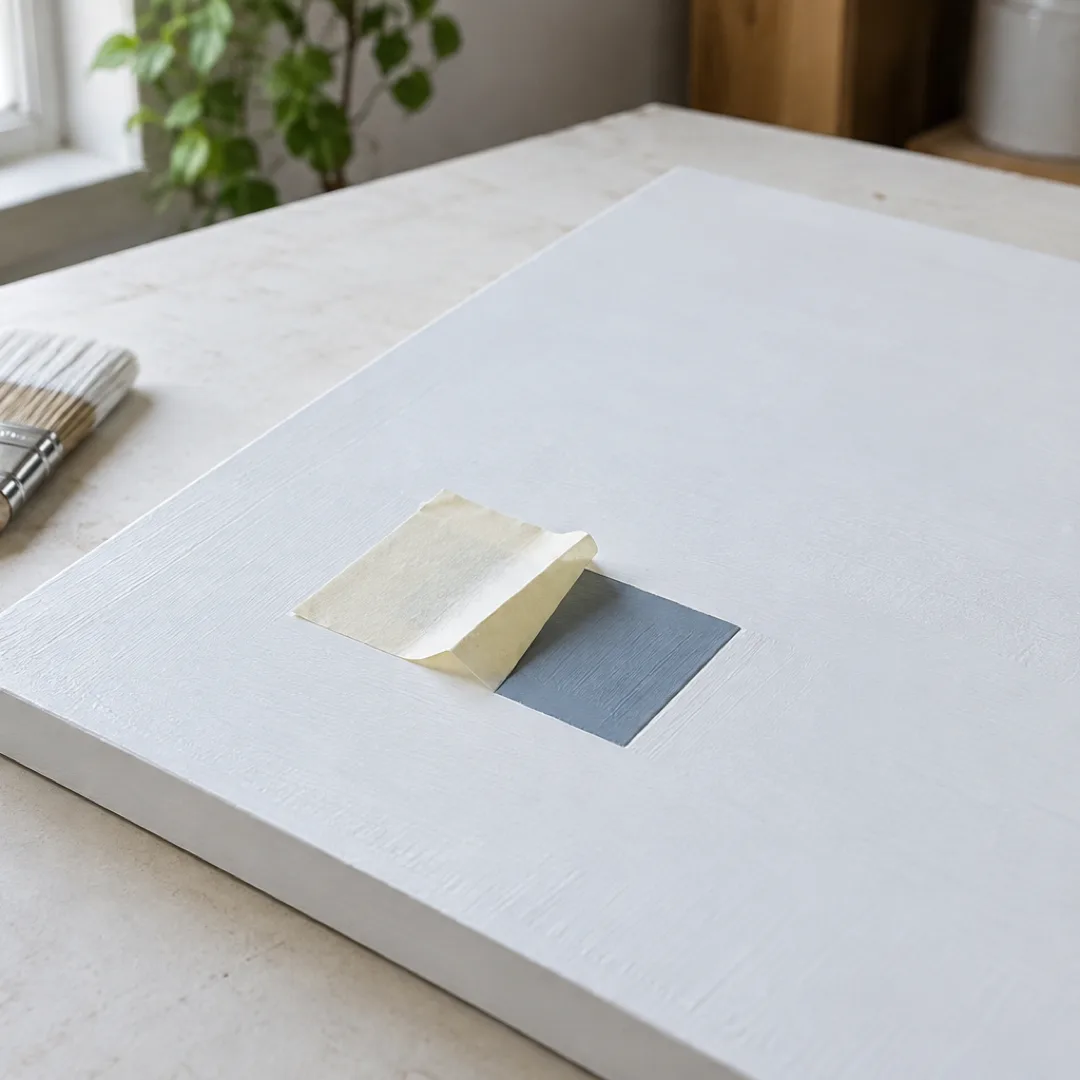
Technically, yes, whitening products can be applied to teeth that have braces, but the outcome is often not what people hope for. The areas under and right around the brackets are covered, so they may stay at their original shade while the exposed parts of the tooth lighten.
When the braces come off, this can leave a visible pattern: lighter edges and a darker square where each bracket sat. Many orthodontic and dental practices therefore advise holding off on whitening until treatment ends. This is a common viewpoint rather than a strict rule, and your own orthodontist may see your situation differently.
Why the brackets get in the way
Whitening works by letting a peroxide-based agent reach the surface of the tooth. Brackets, bands, and the adhesive that holds them in place act as a physical barrier. Wires and elastic ties can also make it hard for any product to spread evenly.
Traditional whitening trays are usually made to fit teeth without hardware, so they often do not seat properly over braces. Strips designed for flat, smooth teeth can also struggle to sit well around brackets. Product designs differ, so it helps to read the manufacturer's instructions and ask a dental professional before trying anything.
What about clear aligners?
Clear aligners are a different case from fixed braces. Because aligners are removable and leave the tooth surface uncovered, some people discuss whitening during aligner treatment with their provider. Whether and how that makes sense depends on the type of aligner, the treatment plan, and your gum and tooth health.
Even with aligners, it is worth checking first. Some aligner providers have specific guidance about whitening products, and sensitivity can be more noticeable when tight-fitting trays hold a product against the teeth. A quick conversation with your orthodontist can prevent a lot of guesswork.
What risks come with whitening during orthodontic treatment?
The main concerns are uneven shading, tooth and gum sensitivity, and irritation of tissues that are already working hard. Braces can make the gums more prone to redness and swelling, and whitening agents can add to that irritation for some people. Reactions vary from person to person.
According to the American Dental Association's general consumer guidance, whitening products can cause temporary tooth sensitivity or gum irritation in some users, and it is sensible to talk with a dentist before starting. That advice applies even to people without braces, and braces add more variables.
Uneven color and the "bracket square" effect
This is the problem people mention most. If the teeth lighten around the brackets but not beneath them, the difference can be noticeable after the hardware is removed. Some people then need to whiten again afterward to even things out, which means the earlier effort did not accomplish much.
There is also a timing wrinkle. Teeth can look a bit different right after braces come off, partly because plaque and staining can build up around brackets during treatment. A dental cleaning at the end of treatment sometimes changes how the shade looks on its own, so judging color before that point can be misleading.
Sensitivity, gums, and enamel concerns
Tooth sensitivity is a commonly reported effect of whitening. Teeth under orthodontic pressure can already feel tender after adjustments, so adding a whitening product may make the discomfort feel more noticeable for some people.
Braces also make cleaning harder, and areas where plaque lingers can show early enamel changes, sometimes seen as chalky white spots. Whitening over those areas may make the contrast more obvious rather than less. If you notice spots or pain, mention it at your next orthodontic visit rather than trying to fix it yourself.
When whitening should wait or be avoided
Some situations call for professional input before anything else. These include untreated cavities, gum disease, exposed roots, cracked teeth, or ongoing pain. Whitening agents can irritate these areas, and the underlying issue usually needs attention first.
People who are pregnant or breastfeeding, and families asking about whitening for younger teens, are also commonly told to check with a dentist before using whitening products. The reasons and recommendations differ by situation, so a personal consultation matters more than general advice here.
What are the safer ways to brighten a smile while wearing braces?
The most widely suggested approach is to focus on cleanliness during treatment and plan whitening for afterward. Careful brushing around brackets, flossing with aids made for braces, and regular professional cleanings can help keep teeth looking their best. Your orthodontic team can show you techniques that suit your specific hardware.
The American Dental Association and similar professional bodies generally describe good daily oral hygiene as the foundation of a healthy-looking smile. Preventing buildup around the brackets also reduces the chance of staining and enamel marks that become obvious later.
Habits that may reduce staining
Certain foods and drinks are commonly linked to surface staining, such as coffee, tea, red wine, dark sodas, and some sauces. Elastic ties, which come in colors, can also pick up stains from these items. Cutting back or rinsing with water afterward is a practical habit many people adopt.
Tobacco products are well known for discoloring teeth and also affect gum health, which matters during orthodontic care. If quitting feels hard, a doctor or dentist can point you to support options. This is a general point, not a personalized plan.
Planning whitening after the braces come off
Once the brackets are removed and the teeth have been cleaned, many dental professionals suggest discussing whitening options with the dentist. That gives the product access to the whole tooth surface and lets you judge the true starting shade. Options generally include in-office treatments, dentist-supplied take-home trays, and over-the-counter products, each with different features and costs.
If you have a retainer, ask whether it can double as a whitening tray or whether a separate one is needed. Product directions and a dentist's guidance should determine how any whitening product is used, since strength and timing differ widely between products. The FDA regulates certain aspects of dental products, and checking labels for dental association acceptance marks can be a useful starting point.
Frequently asked questions
Does whitening toothpaste work with braces?
Whitening toothpaste can generally be used with braces, but it mainly helps remove surface stains rather than changing the natural tooth shade. It still cannot reach the tooth under the brackets. Ask your orthodontist whether a particular brand suits your hardware and enamel.
Can whitening damage the brackets or the glue holding them?
Some whitening products and strong abrasives may affect bonding materials or irritate the surrounding tissue, though this varies by product and treatment type. Orthodontic practices often give specific guidance for this reason. Checking with your orthodontic team before using any whitening product helps avoid loosened brackets or extra visits.
How soon after braces can I talk to a dentist about whitening?
Many people raise the topic at the appointment when the braces are removed or at the first cleaning afterward. The timing depends on how the gums and enamel look once the hardware is gone. Your dentist can assess the starting shade and let you know what is reasonable for your teeth.
So, is teeth whitening with braces possible? Technically it can be tried, but waiting until the brackets are off usually gives a more even look, and your orthodontist or dentist is the right person to confirm the best timing for you.
Disclaimer: This article is for informational purposes only and is not a substitute for professional medical advice, diagnosis, or treatment. Please consult a licensed professional for personal health decisions.
Related reading: Whitening Results: How Many Shades Lighter Can Teeth Get?