Common Questions About Saxenda Side Effects Answered
Editor’s Summary: Saxenda (liraglutide) is a prescription weight management medication that commonly causes digestive side effects, particularly during the first weeks of treatment. Most people experience nausea, diarrhea, or constipation that typically improves as the body adjusts, but serious complications like pancreatitis or gallbladder problems require immediate medical attention. This guide answers frequently asked questions about Saxenda side effects, helping you distinguish normal adjustment symptoms from situations that need professional evaluation.
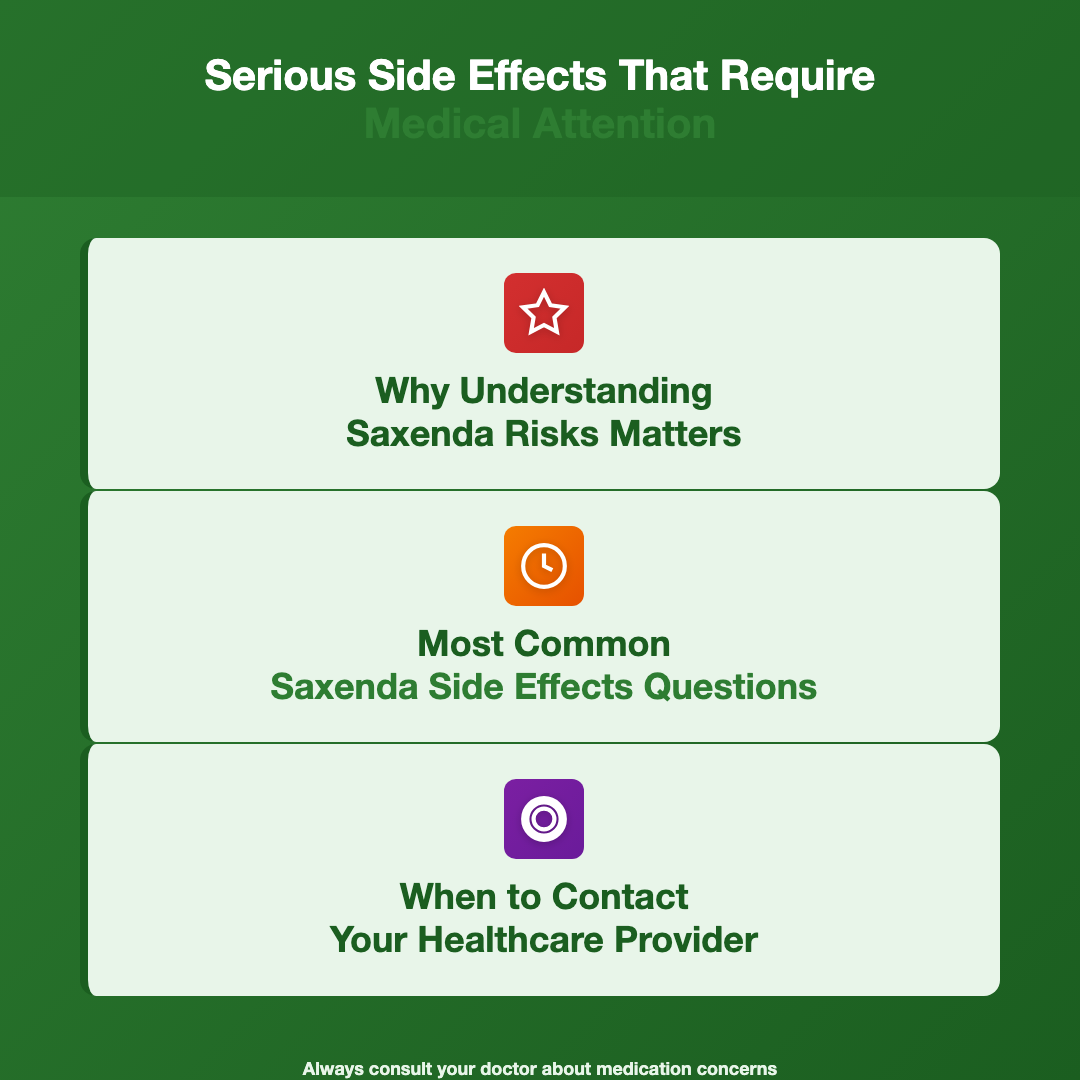
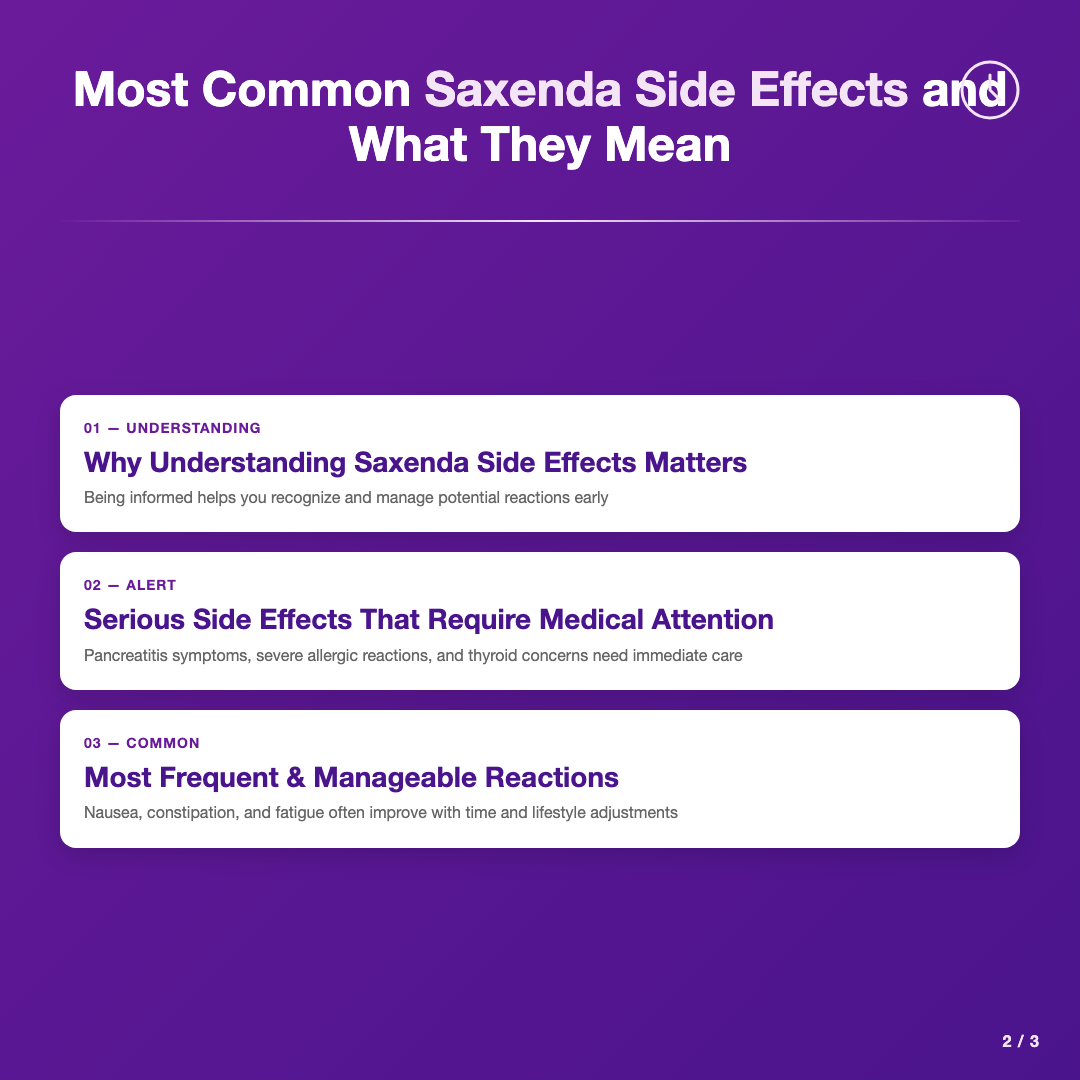
Why Understanding Saxenda Side Effects Matters
When starting Saxenda for weight management, knowing what to expect helps you make informed decisions and respond appropriately to changes in how you feel. Saxenda works by mimicking a natural hormone called GLP-1 that affects appetite and digestion, which explains why gastrointestinal symptoms are the most common side effects.
The medication is approved for adults with a body mass index of 30 or higher, or 27 or higher with at least one weight-related condition. Because Saxenda affects multiple body systems, understanding both common and rare side effects allows you to monitor your response and communicate effectively with your healthcare provider.
Individual responses vary significantly. Some people tolerate Saxenda well from the start, while others need careful dose adjustment or additional support strategies. Recognizing the difference between expected side effects and warning signs of serious complications is essential for safe use.
Most Common Saxenda Side Effects and What They Mean
Nausea is the most frequently reported side effect, affecting a substantial portion of people who start Saxenda. This typically peaks during the first few weeks, especially when increasing the dose. The nausea occurs because liraglutide slows stomach emptying and affects areas of the brain involved in appetite regulation.
Diarrhea and constipation both appear on the common side effects list because Saxenda changes how your digestive system moves food through the intestines. Some people experience loose stools, while others notice the opposite effect. These symptoms often improve after the first month as your body adjusts to the medication.
Headaches, dizziness, and fatigue are also frequently mentioned in saxenda side effects questions. These symptoms may relate to changes in eating patterns, mild dehydration from digestive symptoms, or the body’s adjustment to the medication itself. Staying well-hydrated and eating regular small meals often helps reduce these effects.
Injection site reactions like redness, itching, or small bumps occur in some users. These are usually mild and resolve on their own, especially when you rotate injection sites properly. The abdomen, thigh, and upper arm are all approved injection locations, and varying the exact spot within these areas reduces skin irritation.
Serious Side Effects That Require Medical Attention
Pancreatitis, though uncommon, is a serious potential complication. Warning signs include severe abdominal pain that doesn’t go away, pain that radiates to your back, nausea with vomiting, and fever. This pain is typically different from ordinary stomach upset—it’s intense, persistent, and often worsens after eating. If you experience these symptoms, stop Saxenda and contact your healthcare provider immediately.
Gallbladder problems, including gallstones, have been reported in people taking Saxenda. Symptoms include pain in the upper right abdomen, pain between the shoulder blades, yellowing of skin or eyes, and fever with chills. Rapid weight loss itself increases gallstone risk, so distinguishing medication effects from weight-loss effects can be challenging, but any of these symptoms warrant prompt medical evaluation.
Severe allergic reactions are rare but require emergency care. Signs include difficulty breathing, swelling of the face or throat, severe rash or itching, and dizziness with rapid heartbeat. These symptoms typically appear soon after injection and represent a medical emergency.
Kidney problems can occur, particularly if dehydration from nausea, vomiting, or diarrhea becomes severe. Warning signs include decreased urination, swelling in legs or feet, unusual tiredness, and confusion. Maintaining adequate fluid intake is especially important when experiencing digestive side effects.
Increased heart rate has been observed in some people taking Saxenda. If you notice a resting heart rate consistently above your normal range, palpitations, or chest discomfort, discuss this with your healthcare provider. Regular monitoring may be recommended, especially if you have existing heart conditions.
Managing Digestive Side Effects Effectively
Starting with small, frequent meals rather than three large ones helps many people manage nausea. Eating slowly and stopping when you feel comfortably satisfied—rather than completely full—works with Saxenda’s appetite-reducing effects and minimizes stomach discomfort.
Bland, easy-to-digest foods during the first weeks often reduce nausea. Options like toast, crackers, rice, bananas, and applesauce are gentler on the stomach than fatty, spicy, or heavily seasoned foods. Gradually reintroducing other foods as tolerance improves allows you to maintain balanced nutrition.
Taking Saxenda at a consistent time each day, preferably when you can rest if nausea occurs, helps some people. While Saxenda can be taken any time regardless of meals, many find that injecting in the evening reduces daytime nausea interference with activities.
Staying hydrated is crucial, especially if you’re experiencing diarrhea or vomiting. Sipping water throughout the day, rather than drinking large amounts at once, often sits better in the stomach. If plain water increases nausea, try ice chips, diluted juice, or herbal tea.
Ginger and peppermint, in forms like tea or candies, provide natural nausea relief for some people. These remedies don’t interfere with Saxenda and can be used as needed. However, if nausea prevents you from eating or drinking adequately, contact your healthcare provider rather than relying solely on home remedies.
Injection Technique and Site Rotation
Proper injection technique reduces the risk of site reactions and ensures consistent medication absorption. Clean the injection site with alcohol and let it dry completely before injecting. Pinch the skin gently, insert the needle at a 90-degree angle, and inject slowly.
Rotating injection sites systematically prevents lipodystrophy—changes in fat tissue that can affect absorption and cause lumps or indentations. Divide each injection area (abdomen, thigh, upper arm) into quadrants and rotate through them. Avoid injecting into the same exact spot more than once every few weeks.
Avoid areas with scars, moles, bruises, or skin changes. If you notice persistent redness, warmth, or swelling at an injection site, skip that area and mention it at your next appointment. Most injection site reactions resolve within a few days, but infection, though rare, requires medical attention.
Storing Saxenda properly maintains medication effectiveness and may reduce injection discomfort. Keep unused pens refrigerated, but allow the pen to reach room temperature before injecting—cold medication can increase injection site pain. Once in use, Saxenda can be stored at room temperature for up to 30 days.
Dose Adjustment and Side Effect Patterns
Saxenda starts at a low dose (0.6 mg daily) and increases weekly until reaching the maintenance dose of 3.0 mg daily. This gradual escalation allows your body to adjust and reduces the intensity of side effects. Rushing the dose increase typically worsens nausea and other digestive symptoms.
If side effects become intolerable at a particular dose level, your healthcare provider may recommend staying at the current dose for an extra week before increasing. Some people find their optimal dose below the standard 3.0 mg maintenance level, balancing effectiveness with tolerability.
Side effects often peak for a few days after each dose increase, then gradually improve. Understanding this pattern helps you distinguish between normal adjustment and persistent problems that might require dose modification or medication discontinuation.
Keeping a symptom diary during the first few months provides valuable information for follow-up appointments. Note the timing and severity of side effects, what helps relieve them, and how they affect your daily activities. This record helps your healthcare provider make informed decisions about continuing or adjusting treatment.
Three Common Misconceptions About Saxenda Side Effects
Misconception 1: Severe nausea means Saxenda is working better. Nausea is a side effect, not a measure of effectiveness. While some digestive changes are common, severe symptoms that prevent adequate eating or drinking don’t improve weight loss outcomes and may lead to nutritional deficiencies or dehydration. Effective weight loss can occur with minimal side effects when the medication is properly tolerated.
Misconception 2: Side effects will definitely go away if you just push through. While many side effects improve with time, persistent severe symptoms may indicate that Saxenda isn’t the right medication for you. Continuing despite significant adverse effects can lead to complications and doesn’t guarantee eventual tolerance. Open communication with your healthcare provider about symptom severity and impact on quality of life is essential for appropriate treatment decisions.
Misconception 3: You can’t take other medications while on Saxenda. Saxenda may be used alongside many other medications, but interactions and cumulative effects need consideration. Saxenda slows stomach emptying, which can affect the absorption of oral medications. Diabetes medications require particular attention because combining them with Saxenda may increase low blood sugar risk. Always inform all your healthcare providers about every medication, supplement, and over-the-counter product you use.
When to Contact Your Healthcare Provider
Contact your doctor if nausea or vomiting prevents you from eating or drinking for more than 24 hours. Dehydration can develop quickly and may require medical intervention, including temporary medication discontinuation and intravenous fluids in severe cases.
Persistent or worsening abdominal pain, especially if severe or accompanied by vomiting, fever, or changes in bowel habits, needs prompt evaluation. These symptoms may indicate pancreatitis, gallbladder problems, or other complications that require immediate attention and may necessitate stopping Saxenda.
Changes in mood, including depression or thoughts of self-harm, should be reported immediately. While rare, some people experience mood changes on Saxenda. Your mental health is as important as physical side effects in determining whether this medication is appropriate for you.
If you develop signs of an allergic reaction—rash, itching, swelling, difficulty breathing, or severe dizziness—seek emergency medical care. Don’t take another dose until you’ve been evaluated by a healthcare professional.
Unexplained rapid heart rate, chest pain, or shortness of breath warrant immediate medical attention. While Saxenda can cause mild heart rate increases, significant cardiovascular symptoms require urgent evaluation to rule out serious complications.
Frequently Asked Questions
How long do Saxenda side effects typically last?
Digestive side effects like nausea, diarrhea, and constipation are most common during the first four to eight weeks of treatment, particularly during dose escalation. Many people notice significant improvement after reaching their maintenance dose and staying on it for a few weeks. However, individual experiences vary considerably—some people have minimal side effects from the start, while others may experience persistent symptoms that require dose adjustment or medication discontinuation. If side effects remain severe beyond the initial adjustment period, discuss alternative strategies with your healthcare provider rather than assuming they will eventually resolve.
Can I take anti-nausea medication with Saxenda?
Over-the-counter remedies like ginger supplements or vitamin B6 can be tried for mild nausea, but prescription anti-nausea medications should only be used under medical supervision. Some anti-nausea drugs may interact with Saxenda or mask symptoms of serious complications like pancreatitis. Your healthcare provider can recommend appropriate options based on your symptom severity and overall health status. Never start prescription medications, even if you’ve used them before for other reasons, without discussing them with the doctor who prescribed your Saxenda.
Do Saxenda side effects mean I’m losing weight faster?
Side effect severity doesn’t correlate with weight loss effectiveness. Saxenda works by affecting appetite regulation and slowing stomach emptying, but these therapeutic effects can occur without causing significant discomfort. Some people achieve excellent weight loss results with minimal side effects, while others experience substantial symptoms without proportionally better outcomes. The goal is finding the dose that provides appetite control and supports weight loss while remaining tolerable for long-term use. Severe side effects that interfere with nutrition, hydration, or quality of life should be addressed rather than endured.
What should I do if I miss a dose because of side effects?
If you miss a dose due to illness or side effects, take your next dose as soon as you remember, as long as it’s within 12 hours of when you normally inject. If more than 12 hours have passed, skip the missed dose and resume your regular schedule with the next dose. Don’t take extra medication to make up for a missed dose. If you’ve missed more than three consecutive days, contact your healthcare provider before resuming—you may need to restart at a lower dose to minimize side effects. Missing doses occasionally due to illness doesn’t typically affect overall weight loss progress significantly.
Are certain people more likely to experience severe Saxenda side effects?
Individual factors influence side effect risk and severity. People with a history of gastrointestinal disorders, pancreatitis, or gallbladder disease may experience more pronounced symptoms or face higher complication risks. Those taking other medications that affect digestion or appetite may notice amplified effects. Rapid dose escalation, rather than following the recommended gradual increase, typically worsens side effects. Age, overall health status, and individual sensitivity to medications all play roles. However, predicting exactly who will experience which side effects remains difficult. Close monitoring during the initial treatment period, regardless of risk factors, allows for early identification and management of problems.
Practical Next Steps for Managing Saxenda Side Effects
Start a symptom journal before your first injection, recording baseline information about your digestion, energy level, and general well-being. Continue tracking daily during the first month, noting the timing and severity of any side effects, what helps relieve them, and how they affect your activities. This record provides valuable context for follow-up appointments.
Plan your first few weeks of Saxenda treatment during a period when you can adjust your schedule if needed. Starting before a vacation, major work deadline, or important event may add unnecessary stress if side effects occur. Having flexibility to rest, adjust meal timing, and manage symptoms makes the adjustment period easier.
Stock your kitchen with bland, easy-to-digest foods and ensure you have adequate hydration options. Having appropriate foods readily available when nausea strikes makes it easier to maintain nutrition even when appetite is reduced or certain foods seem unappealing.
Establish clear communication with your healthcare provider about when and how to report concerns. Know whether you should call the office, use a patient portal, or seek urgent care for different types of symptoms. Understanding the reporting process before problems arise reduces anxiety and ensures timely intervention when needed.
Connect with support resources if available. Some healthcare providers offer nutrition counseling or support groups for people using weight management medications. These resources provide practical strategies for managing side effects and maintaining healthy habits during treatment.
Conclusion and Moving Forward
Understanding saxenda side effects questions helps you approach treatment with realistic expectations and appropriate monitoring strategies. While digestive symptoms like nausea and diarrhea are common during the initial weeks, most people find these effects manageable with proper strategies and gradually improve over time. Knowing the warning signs of serious complications like pancreatitis or severe allergic reactions enables you to seek prompt care when necessary.
Effective side effect management involves proper injection technique, gradual dose escalation, dietary adjustments, and open communication with your healthcare provider. Remember that side effect severity doesn’t predict weight loss success—the goal is finding an approach that supports your health goals while maintaining quality of life. If Saxenda causes persistent severe symptoms despite management strategies, discussing alternative options with your doctor is appropriate and doesn’t represent treatment failure.
Your individual response to Saxenda will guide treatment decisions. Regular follow-up appointments, honest reporting of symptoms, and willingness to adjust the treatment plan as needed contribute to safe, effective use of this medication as part of a comprehensive weight management approach.
Disclaimer: This article is for informational purposes only and is not a substitute for professional medical advice, diagnosis, or treatment. Please consult a licensed professional for personal health decisions.
📚 References
The official and high-authority sources below can help readers verify the context safely.