Cystic Acne Treatment Procedures: What to Expect
You notice a deep, tender bump under the skin that never forms a head, it aches when you touch it, and it has been there for weeks. Squeezing does nothing except make it angrier, and the over-the-counter products on your shelf have not made a dent. Cystic acne treatment procedures are in-office options performed by a licensed clinician, such as injections into individual lesions, drainage, or light-based and chemical treatments, and they are usually considered alongside prescription medicines rather than instead of them.
What makes cystic acne different from regular breakouts?
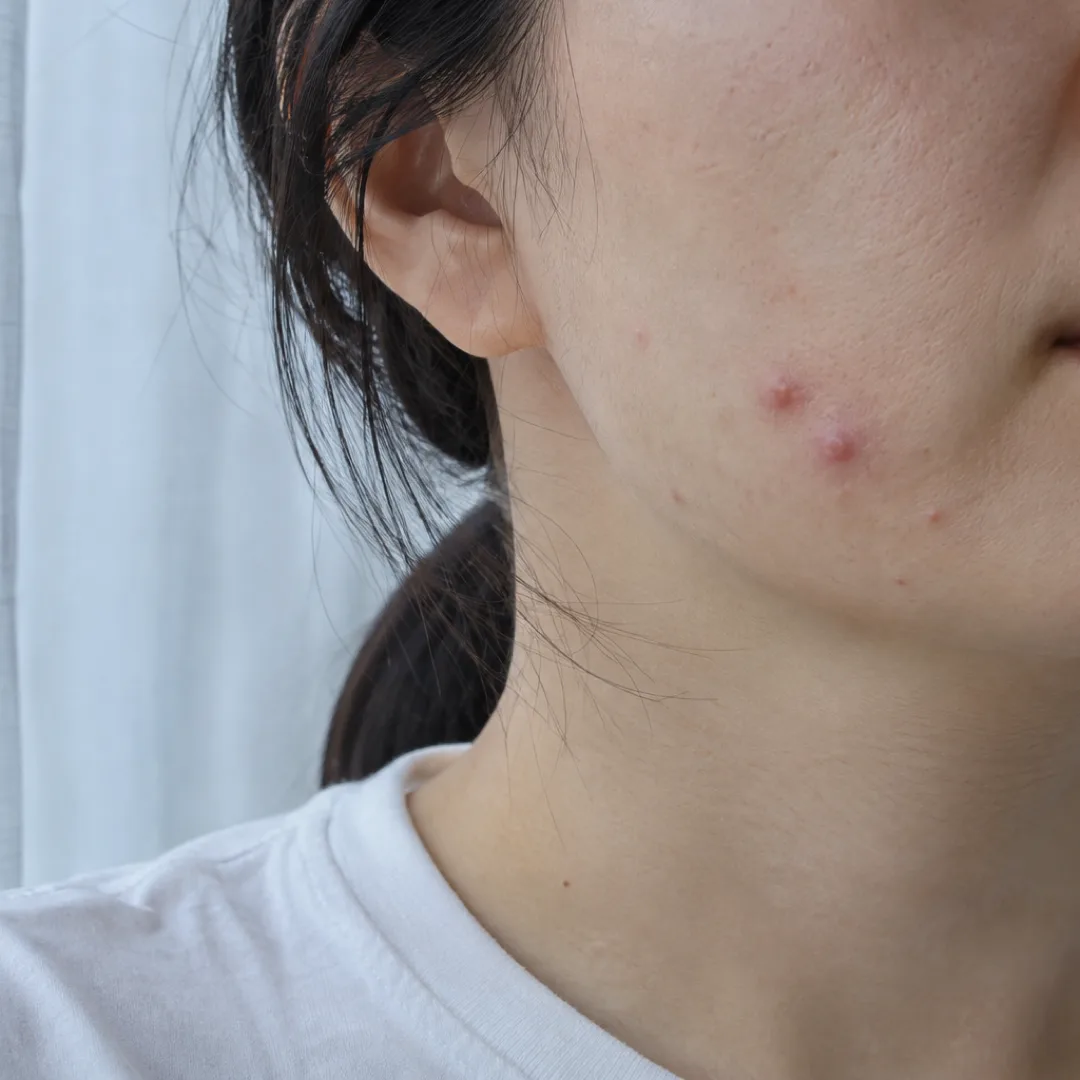
Cystic acne is generally described as a severe form of inflammatory acne, where lesions form deep in the skin and feel firm, painful, or pus-filled. According to the American Academy of Dermatology's general guidance, deeper nodules and cysts are more likely than surface pimples to leave scars or dark marks. That is a big reason dermatologists tend to take them seriously early on.
Surface-level whiteheads and blackheads usually respond to over-the-counter products. Deep lesions often sit too far below the surface for those products to reach well. Many people find they keep cycling through new products without much change, which is a common sign it may be time for a professional visit.
There are exceptions worth knowing. Some bumps that look like cystic acne are actually something else, such as boils, ingrown hair reactions, or other skin conditions. Only a clinician can tell these apart, so a persistent deep bump deserves an in-person look rather than a guess based on photos.
Why squeezing is a poor idea
Pressing on a deep lesion can push inflammation further into surrounding tissue. Dermatology organizations commonly caution that picking or squeezing may raise the chance of scarring and infection. If a lesion needs to be drained, that is something a trained clinician does in a controlled setting.
Who tends to be affected
Teenagers and adults of many ages can develop cystic acne. Hormonal shifts, genetics, and other factors are commonly mentioned as contributors, though the exact mix differs from person to person. Because causes vary, treatment plans vary too.
Related reading: Rolling Acne Scars Treatment: Options and What to Ask
Which in-office procedures are used for cystic acne?
Several procedures are commonly discussed for cystic and nodular acne, and a dermatologist chooses among them based on the lesions, skin type, and history. None of them is a one-size-fits-all answer, and results differ between people. The options below are general descriptions, not recommendations for any one person.
Corticosteroid injections into individual lesions
For a single large, painful nodule, clinicians sometimes inject a diluted corticosteroid directly into the lesion. The goal is generally to calm inflammation so the bump becomes less swollen and tender over time. The American Academy of Dermatology describes this as a way to address individual deep lesions, though it is not designed to manage acne across the whole face.
Possible downsides are discussed at the appointment. Local skin thinning or lightening at the injection site can occur in some people, which is one reason this is done by a trained professional rather than at home.
Incision and drainage
A clinician may drain a large, fluid-filled lesion in a sterile setting. This differs completely from squeezing at home, because the technique, tools, and aftercare are controlled. It is usually reserved for specific lesions and is not a routine step for everyone.
Chemical peels
Chemical peels use acids applied by a professional to exfoliate the skin's surface. They are sometimes used as a supporting step for acne and post-acne marks, particularly for clogged pores and uneven tone. Because they act on the surface, they are generally not expected to resolve deep cysts on their own.
People with sensitive skin, those using certain prescription acne medicines, or those prone to dark marks may need a different approach. This is worth raising with the clinician before booking.
Light and laser-based treatments
Some clinics offer blue light, photodynamic therapy, or laser treatments for acne. Research on these approaches is mixed in terms of how consistently they help, and the American Academy of Dermatology notes that more study is needed on some of them. Skin tone, device type, and the clinician's experience can all affect both results and risks, so it is reasonable to ask how the specific device suits your skin.
Procedures aimed at scars rather than active acne
Some procedures, such as microneedling, certain lasers, and fillers, are used mainly for scars left after lesions heal. They are generally not used on active, inflamed cysts. Clinicians often suggest getting active acne under control first, because new breakouts can undo the effort.
Do procedures work alone, and when should you see a dermatologist?
For most people with cystic acne, procedures are one piece of a larger plan rather than a stand-alone fix. According to the American Academy of Dermatology, moderate to severe acne is commonly managed with prescription treatments, which may include topical medicines, oral medicines, or a combination. Which ones are appropriate depends on a clinician's assessment, medical history, and sometimes pregnancy plans, so those decisions are not something to make from an article.
Procedures tend to work best as a supplement. An injection might settle one stubborn nodule while a prescribed routine works on preventing new ones. Think of it as quick attention for a flare versus longer-term upkeep, and most dermatologists will talk through both.
Signs it is time to book an appointment
- Deep, painful lesions keep returning in the same areas.
- Over-the-counter products have not helped after a reasonable trial.
- You are noticing dark marks or scars after lesions heal.
- Acne is affecting your mood, confidence, or daily life.
Signs that need prompt attention
Rapidly spreading redness, significant swelling, fever, or severe pain around a lesion can point to infection or another problem. In those situations, contacting a clinician or urgent care promptly is the sensible step rather than waiting. Sudden, severe acne that appears alongside other symptoms, such as irregular periods or unusual hair growth, may also be worth discussing with a healthcare provider.
Questions that help at the consultation
Going in with a few questions makes the visit more useful. You might ask what the procedure involves, how much downtime is typical, what risks apply to your skin tone, and whether it fits alongside your current products or prescriptions. Cost is also fair game, since many cosmetic procedures are priced per session and insurance coverage varies.
Setting realistic expectations
Improvement from any approach generally happens gradually, and several visits may be discussed. Some people respond well, others need adjustments, and a few see little change from a particular option. Being open about this with your clinician can help you adjust the plan rather than give up.
Cystic acne treatment procedures can be a useful part of managing stubborn, deep breakouts, but the right mix depends on your skin, your history, and a professional's assessment.
Frequently asked questions
Can a cystic pimple be drained at home?
No, home squeezing is generally discouraged because it can push inflammation deeper and raise the chance of scarring or infection. Dermatology organizations commonly advise leaving drainage to a trained clinician in a sterile setting. If a lesion is painful or large, booking a visit is the usual route.
Will a procedure replace prescription acne medicine?
If your acne is widespread or keeps recurring, procedures are usually combined with prescribed treatment rather than replacing it. Injections and drainage tend to address individual lesions, while prescription routines aim at preventing new ones. Your dermatologist can explain how the two fit together for you.
Are light or laser treatments right for every skin tone?
If you have a deeper skin tone or are prone to dark marks, device choice and settings matter more, so it is worth asking the clinician about their experience with your skin type. Research on these treatments is mixed, and reactions vary from person to person. A consultation can help you weigh the possible benefits against the risks.
Disclaimer: This article is for informational purposes only and is not a substitute for professional medical advice, diagnosis, or treatment. Please consult a licensed professional for personal health decisions.