Dental Implant Complications and Side Effects: Who Should Wait
No single dental treatment suits everyone, and implants are no exception. Because dental implant complications and side effects are more likely in some situations than others, this article starts with the people who are often advised to wait, then moves to those who may qualify with conditions. Everything here is general information from an editor's point of view, not a personal assessment, and only a dental professional who examines you can say what fits your mouth and your health.
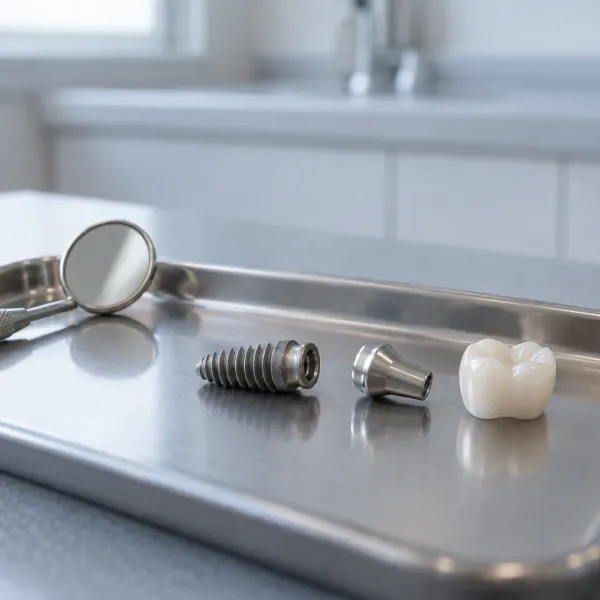
An implant is a small post, usually made of titanium or a similar material, that is placed in the jawbone to hold a crown, bridge, or denture. The jawbone has to heal around it, and the gum tissue has to stay healthy over time. Anything that interferes with healing, blood flow, or infection control can raise the chance of trouble. That is why the screening conversation matters as much as the procedure itself.
Situations where many dentists suggest holding off

Some circumstances lead many clinicians to recommend postponing implant surgery, or to look at other options. The reasons below are general patterns, and individual cases differ.
Active gum disease or untreated infection
Implants are placed in tissue that must be able to resist bacteria. According to the American Dental Association's general patient information, gum disease is a recognized risk factor for implant problems, because the same kind of bacterial inflammation can affect the tissue around an implant. If infection or decay is present nearby, dentists commonly want it addressed first so that it does not spread to the surgical site.
Pregnancy
Implant placement is an elective procedure, and it often involves X-rays, local anesthesia, and sometimes medications. Many practices prefer to schedule elective surgery after pregnancy unless there is a pressing reason. If you are pregnant or trying to become pregnant, tell your dentist and your obstetric provider so they can coordinate timing.
Growth that is not yet complete
The jaw continues to change through the teenage years and sometimes into early adulthood. An implant does not move with the growing jaw the way a natural tooth does, so dental professionals generally wait until growth is finished. A dentist can judge this using the person's age and imaging.
Poorly controlled chronic conditions
Conditions that affect healing deserve special attention. According to the National Institute of Dental and Craniofacial Research, diabetes can make mouth infections and slow healing more likely, so how well it is controlled matters. Other conditions that clinicians often want stable before surgery include certain heart conditions, immune system disorders, and bleeding disorders.
Heavy tobacco use
Smoking and other tobacco use are widely linked with slower healing and a higher chance of implant problems. The U.S. Centers for Disease Control and Prevention notes in its oral health guidance that tobacco use is associated with gum disease. Many dentists ask patients to reduce or stop tobacco use before and after surgery, and a clinician or quit-line can help with that goal.
Recent or ongoing head and neck radiation
Radiation to the jaw area can change how bone heals and how well it resists infection. If you have had or will have this kind of treatment, your oncology team and your dentist usually need to plan together, and timing is often a central question.
Cases that may be possible with conditions
"Not now" is not always "never." In many cases, a problem can be managed first, and the plan is adjusted. The following situations often fall into this middle ground.
Thin or weakened jawbone
If bone has shrunk after tooth loss or gum disease, there may not be enough to hold an implant firmly. Dentists sometimes discuss bone grafting or similar preparation procedures, which add their own healing time and their own risks. Whether that route makes sense depends on imaging and on your overall health.
Medications that affect bone or bleeding
Some medicines change how bone remodels or how blood clots. Certain drugs used for osteoporosis or some cancers, as well as blood thinners, immune-suppressing drugs, and some others, can influence surgical planning. Never stop or change a prescribed medicine on your own. The surgeon and the prescribing clinician decide together what, if anything, should be adjusted.
Teeth grinding or clenching
Heavy grinding places extra force on implants and the parts attached to them. This does not automatically rule out treatment, but dentists may suggest protective measures and closer follow-up. Mention any jaw soreness, worn teeth, or morning headaches.
Past gum disease that has been treated
People with a history of gum problems can sometimes proceed once the condition is stable and a maintenance routine is in place. Long-term monitoring is usually part of the plan, since the risk of inflammation around an implant does not disappear.
Anxiety or health conditions that affect sedation
Some people need sedation options, or a hospital-based setting, because of anxiety, airway issues, or other health conditions. That is a planning question for the dental team and, where relevant, your physician.
What complications and side effects can look like
Knowing the usual range of effects helps you tell what is expected from what needs a call to the office. Reactions vary from person to person.
- Short-term effects: Swelling, mild bruising, tenderness, and minor bleeding are commonly described after surgery. Dentists usually explain what is typical for the procedure used.
- Infection: Bacteria can cause infection at the surgical site early on or later. Signs often include persistent pain, swelling, a bad taste, or discharge.
- Peri-implant inflammation: Inflammation of the gum around an implant can progress to bone loss if it is not addressed. Professional cleanings and good home care are generally part of prevention.
- Implant failure: Sometimes the implant does not bond well with the bone, or it loosens later. Causes can include infection, excess force, poor healing, or other factors.
- Nerve irritation: Implants placed in the lower jaw can sometimes affect nearby nerves, leading to numbness or tingling in the lip, chin, or tongue.
- Sinus problems: Upper jaw implants sit near the sinuses, and in some cases the sinus can be affected.
- Problems with the crown or connecting parts: Screws can loosen and porcelain can chip, and these parts may need repair or replacement.
- Allergic or sensitivity reactions: These are uncommon, but people with known metal sensitivities should mention them.
Related reading: How to Read Dental Implant Success Rate Statistics
If you go ahead: what to keep in mind
When treatment does move forward, a few habits and questions tend to shape the outcome. These are general points, not a personal plan.
Choose and question the provider carefully
Implant work may be done by general dentists, oral surgeons, periodontists, or prosthodontists, often as a team. It is reasonable to ask about the clinician's training with implants, how complications are handled, and who to contact after hours. Written estimates that explain what is and is not included can prevent surprises.
Share your full health picture
Accurate information helps the team plan safely. Bring a current list of your medicines, supplements, and diagnoses, along with any past reactions to anesthesia or antibiotics. Any drug-related questions, including pain relievers or antibiotics before and after surgery, should be answered by your dentist, physician, or pharmacist according to your situation and the product labeling.
Follow the aftercare you are given
Aftercare instructions differ between practices and between procedures, so rely on the written guidance from your own provider rather than general advice. If something in those instructions is unclear, call and ask before guessing.
Keep up with cleanings and checkups
The American Academy of Periodontology's general public information stresses that implants still need regular professional care and daily cleaning around them. Skipping maintenance is one commonly cited route to later inflammation.
Know the warning signs
Contact your dental office promptly if you notice worsening pain, swelling that spreads, fever, a loose implant or crown, pus, or lasting numbness. Trouble breathing or swallowing, or swelling that affects your airway, calls for emergency care right away.
Frequently asked questions
Can an implant fail years after it seemed to heal well?
Yes, late problems can occur, often linked to inflammation around the implant, excess biting force, or changes in general health. Regular checkups help catch early changes in the gum or bone. Your dentist can explain what monitoring fits your case.
What happens if an implant has to be removed?
Removal is sometimes needed when infection or loosening cannot be managed. Afterward, the dentist may discuss healing time, bone preparation, and whether a replacement is a reasonable option. Plans differ widely, so this is a conversation to have with the treating clinician.
Are there options if I am not a good candidate?
Often there are. Fixed bridges, removable partial or full dentures, and other approaches are commonly discussed alternatives, each with its own trade-offs. A dentist can compare them based on your teeth, gums, bone, and budget.
Should I worry about numbness after surgery?
Some numbness from local anesthesia is expected and usually fades. Numbness or tingling that lingers or appears later should be reported to your dental office promptly so it can be evaluated.
What should I tell the dental team before any consultation?
Be ready to share anything that could affect healing or surgical planning. Dental teams generally want to know about:
- Pregnancy or plans to become pregnant
- All prescription and over-the-counter medicines, including blood thinners, bone-related drugs, and supplements
- Diabetes, heart conditions, immune disorders, bleeding disorders, or past radiation to the head or neck
- Smoking, vaping, or other tobacco use
- Allergies, especially to metals, anesthetics, or antibiotics, and any past gum disease or jaw problems
Disclaimer: This article is for informational purposes only and is not a substitute for professional medical advice, diagnosis, or treatment. Please consult a licensed professional for personal health decisions.