Food Intolerance vs Allergy: Understanding the Key Differences
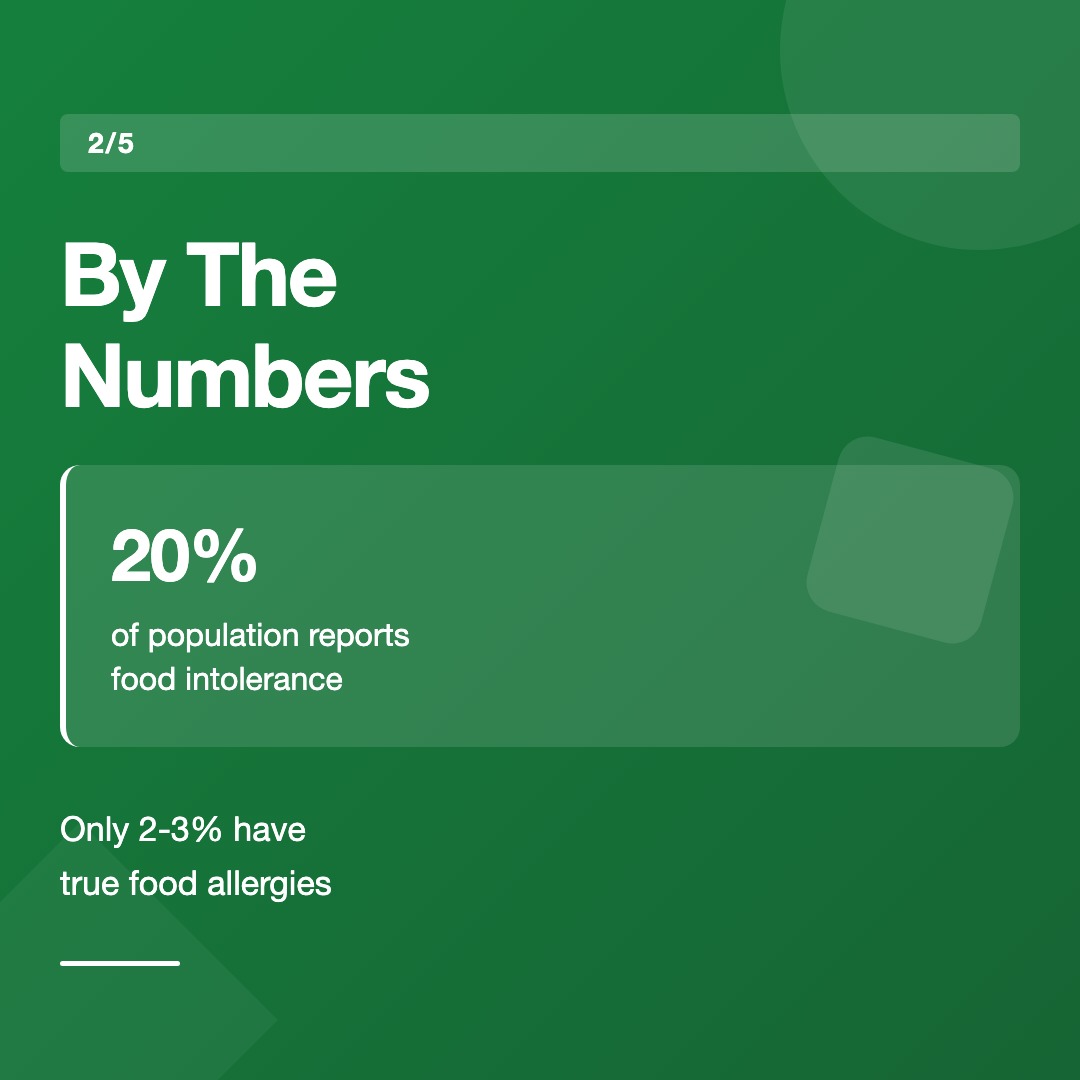
Food intolerance and food allergy are often confused, but they involve fundamentally different body responses. Understanding the distinction is essential for proper management and safety.
Core Differences in Immune Response
Food allergies involve the immune system producing IgE antibodies against specific food proteins, triggering histamine release and immune reactions. Food intolerances typically do not involve the immune system, instead resulting from digestive enzyme deficiencies or sensitivity to components like lactose, gluten, or additives.
How Each Condition Works
In true food allergies, even tiny amounts can provoke rapid immune activation within minutes to two hours. The body treats the food protein as a harmful invader, affecting the skin, respiratory system, gastrointestinal tract, or cardiovascular system. Food intolerances develop more slowly, often appearing hours after eating and depending on quantity consumed.
Clinical Observations and Symptom Patterns
Food allergies can cause hives, swelling, difficulty breathing, vomiting, and in severe cases, anaphylaxis—a life-threatening reaction requiring immediate epinephrine treatment. Common allergens include peanuts, tree nuts, shellfish, fish, milk, eggs, wheat, and soy.
Food intolerances typically produce digestive symptoms such as cramping, diarrhea, nausea, or headaches. Lactose intolerance affects a significant portion of adults worldwide. Gluten sensitivity can cause fatigue and digestive upset without the autoimmune intestinal damage seen in celiac disease.
Conditions Affecting Outcomes and Limitations
Allergy severity varies widely between individuals. Intolerances are usually dose-dependent—small amounts may be tolerable, but larger servings trigger symptoms.
Risks and Precautions
Food allergies carry the risk of fatal anaphylaxis. Anyone with confirmed allergies should carry an epinephrine auto-injector and wear medical identification. Food intolerances, while uncomfortable, are not typically dangerous.
Current Medical Consensus
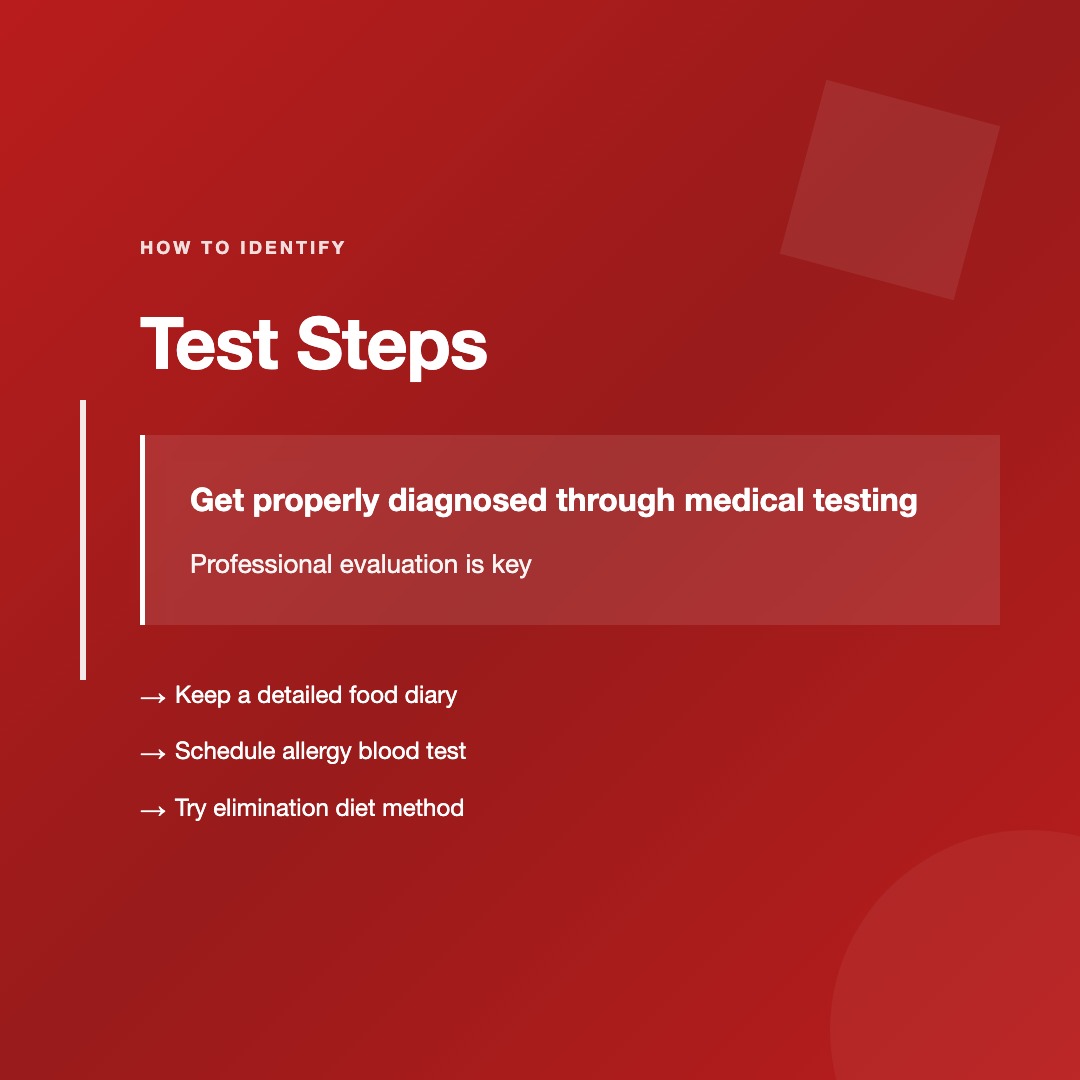
Proper diagnosis involves skin prick tests, blood tests for specific IgE antibodies, or supervised oral food challenges for allergies. Intolerance diagnosis often relies on elimination diets and symptom tracking.
Frequently Asked Questions
Can food intolerance turn into an allergy?
No, these are separate conditions with different mechanisms. New reactions warrant medical evaluation.
Is self-diagnosis reliable?
Self-diagnosis often leads to unnecessary dietary restrictions. Professional testing provides accurate identification.
Can you outgrow food allergies or intolerances?
Some childhood food allergies may resolve with age. Intolerances can also change, but professional monitoring is recommended.
Conclusion
Distinguishing between food intolerance and food allergy is crucial for appropriate treatment and safety. Allergies require strict avoidance and emergency preparedness, while intolerances often allow for symptom management and possible limited consumption. If you suspect either condition, consult a qualified healthcare provider for accurate diagnosis and personalized guidance.
Disclaimer: This article is for informational purposes only and is not a substitute for professional medical advice, diagnosis, or treatment. Please consult a licensed professional for personal health decisions.
📚 References
The official and high-authority sources below can help readers verify the context safely.