Hair Loss Nutrition Supplements: A Careful Review
Walk through any pharmacy or scroll any social feed, and you will find shelves and videos devoted to vitamins, gummies, and powders that promise thicker, fuller hair. Shedding is stressful, and it is natural to look for something simple to reach for. That is a big reason hair loss nutrition supplements are searched so often, and also why the topic is full of confusing claims.
Here is the short version of this hair loss nutrition supplements review: supplements are most often discussed when a real nutritional gap exists, and for people without such a gap, the evidence for hair benefits is generally limited or mixed. Hair shedding has many possible causes, and nutrition is only one of them. A clinician can help sort out which cause fits your situation, which matters before spending money on products.
Where Hair Supplements Come Into the Conversation

Hair is not essential for survival, so the body tends to prioritize other tissues when resources are tight. That is the general reasoning behind why nutrition and hair are linked in popular discussion. Hair follicles are active, fast-cycling structures, and they respond to changes in the body, including illness, stress, and diet.
Supplements tend to enter the picture in a few familiar ways:
- After a period of restrictive dieting, rapid weight change, or a very limited eating pattern.
- After illness, surgery, childbirth, or another major body stressor, when people notice increased shedding some weeks or months later.
- When someone sees gradual thinning and wonders whether a vitamin could be the missing piece.
- When marketing, influencers, or friends suggest a product as an easy fix.
It helps to remember that many of these situations involve shedding that has nothing to do with a supplement shortfall. The American Academy of Dermatology general guidance notes that hair loss has a wide range of causes, from genetics to hormonal shifts to medical conditions, so the same product will not suit everyone.
The Core Ideas Worth Understanding
Nutrition supports hair, but it is not the whole story
Hair is made largely of protein, and its growth depends on a steady supply of energy and various nutrients. According to the NIH Office of Dietary Supplements general information, several vitamins and minerals play roles in normal body function, and deficiencies in some of them have been linked with hair changes. That does not mean extra amounts of those nutrients will grow more hair in someone who already gets enough.
This is the single most important idea in the topic. A supplement may be relevant when a shortfall is present, but taking more of something the body already has in sufficient supply is not generally expected to improve hair. Needs differ by age, diet, health conditions, and medications.
Nutrients you will often see mentioned
Product labels and articles commonly point to a familiar group of ingredients. Here is how they are generally described, without any promise about outcomes:
- Iron: Often discussed because low iron stores are a commonly mentioned factor in shedding for some people. Whether iron is low is something a blood test and a clinician can address, and the NIH Office of Dietary Supplements notes that too much iron can be harmful for some individuals.
- Vitamin D: Discussed in relation to the hair growth cycle, though the research picture is still developing and not settled.
- Zinc: A mineral involved in many body processes. Both low and excessive intake can cause problems, so more is not simply better.
- Biotin: Very popular in hair products. It is generally considered most relevant for people with a true deficiency, which is uncommon. The U.S. FDA has also warned that biotin can interfere with certain lab tests, which is worth mentioning to a clinician if you use it.
- Protein and amino acids: Hair is protein-based, so overall protein intake is part of the discussion, especially for people eating very little.
- Vitamin A: Needed by the body, but the NIH Office of Dietary Supplements notes that excess amounts have been associated with hair loss in some cases, which shows why extra is not always helpful.
Many all-in-one hair formulas combine several of these plus herbal extracts. Ingredient amounts vary widely between brands, and how a product is formulated can differ from what a particular person needs.
How supplements are regulated
In the United States, the FDA treats dietary supplements differently from medicines. According to FDA general guidance, supplements do not need approval for safety and effectiveness before they are sold, and companies are responsible for the safety and labeling of their products. This is one reason a label can sound impressive without telling you how well the ingredients have been tested for hair outcomes.
Supplement labels may describe how an ingredient supports the body's normal structure or function, but they are not allowed to claim they treat or prevent a disease. If a product sounds like it promises to fix hair loss, that is a cue to look more closely.
Related reading: Filler for Thin Lips Augmentation: How to Read the Label
How the Picture Changes From Situation to Situation
The same product can mean very different things depending on who is using it. Two everyday, hypothetical situations show how.
Situation one: shedding after a stressful stretch
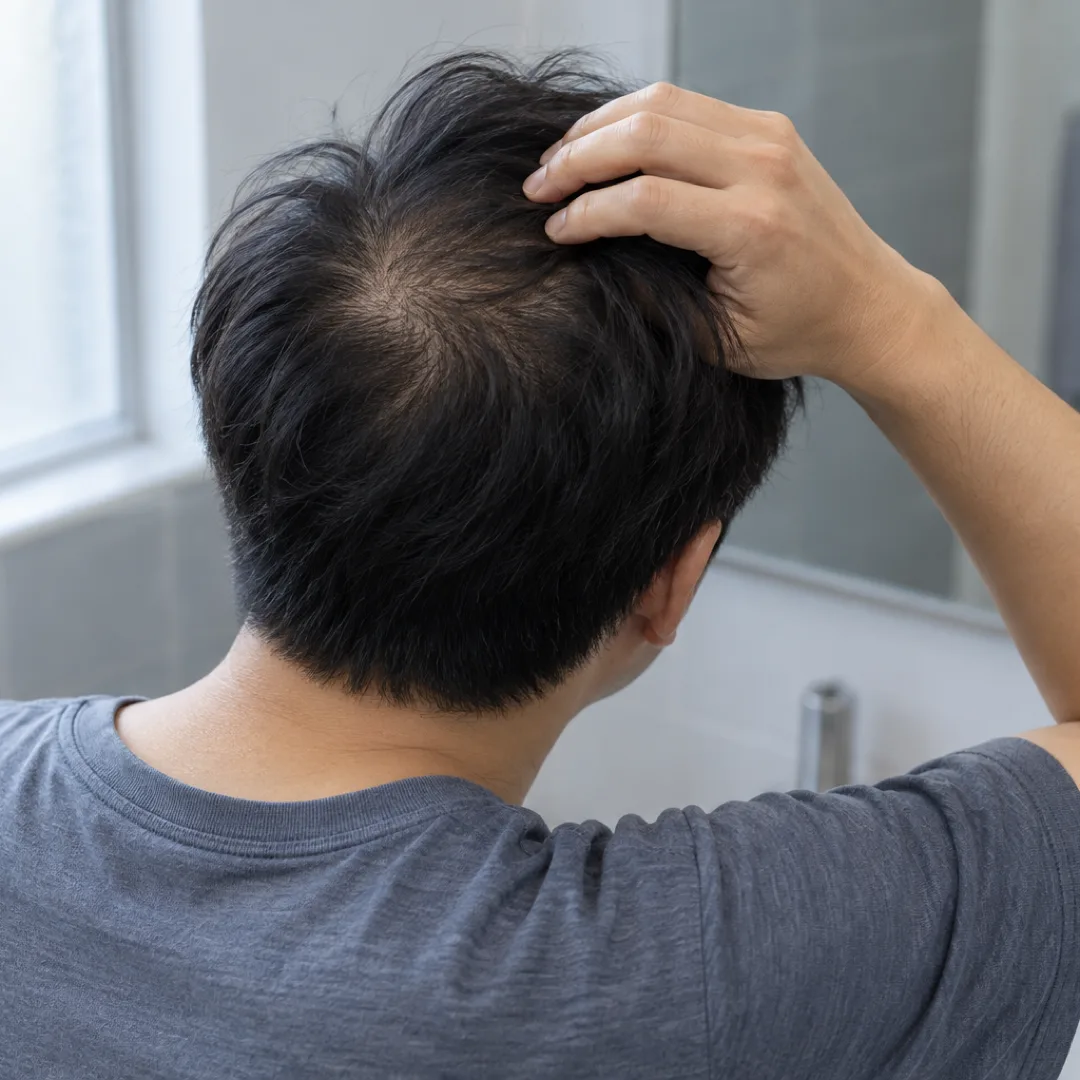
Imagine someone who went through a hard few months, with illness, poor sleep, and meals that were mostly whatever was quick. A couple of months later, they notice more hair in the shower drain and on the brush. This pattern is commonly described as temporary shedding that follows a physical or emotional stressor, and the MedlinePlus general overview of hair loss lists stress and illness among recognized triggers.
In a case like this, a supplement is not automatically the answer. Often the more useful steps are the ones a clinician would help with: checking for underlying contributors, reviewing diet and recent health events, and deciding whether any testing makes sense. If a deficiency turns out to be present, a professional can advise on how to address it, rather than leaving the choice to a product label.
Situation two: gradual thinning over several years
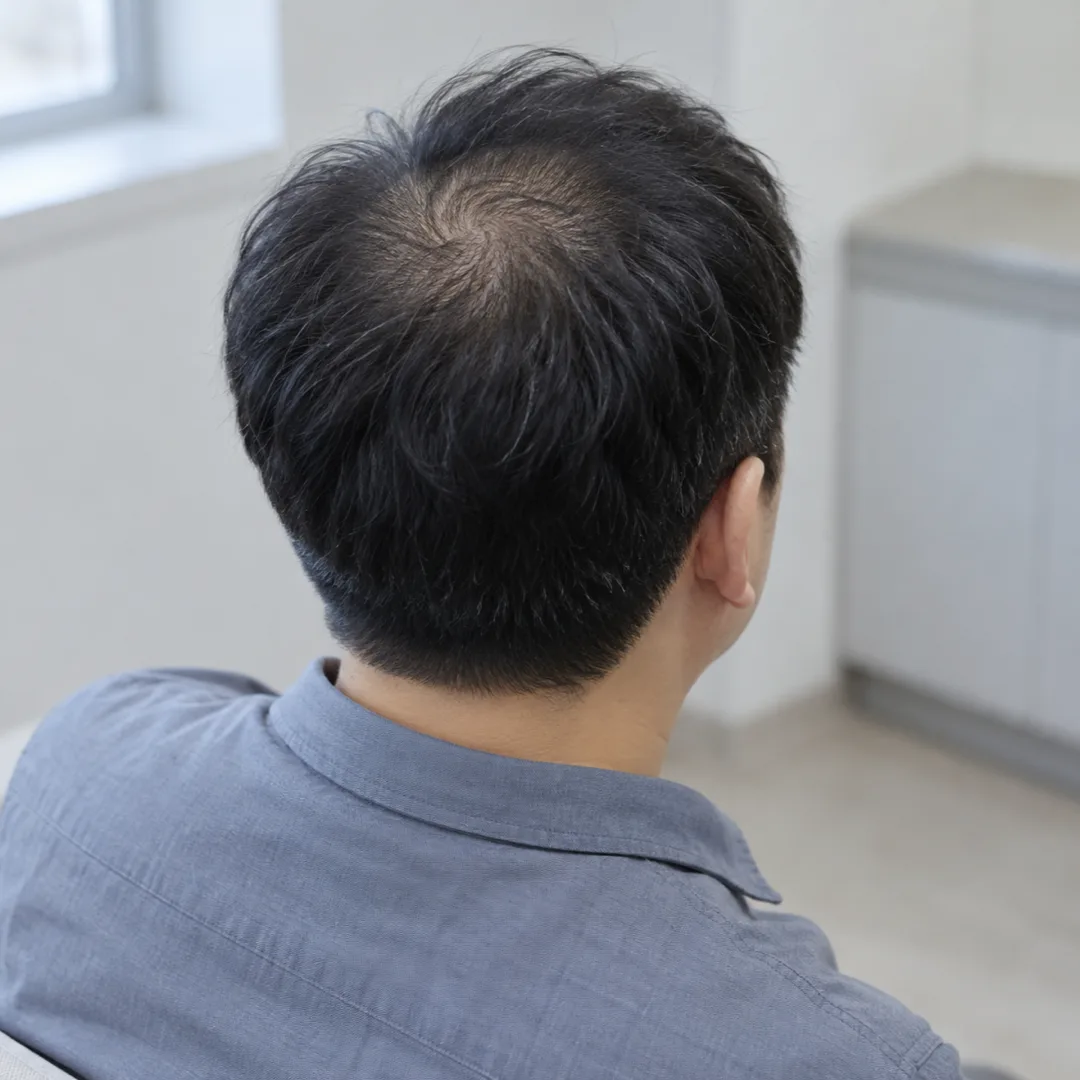
Now picture someone who notices a widening part or receding hairline slowly over time, with relatives who had similar patterns. This kind of gradual thinning is commonly associated with inherited and hormonal factors, according to general information from the American Academy of Dermatology. Vitamins are not generally described as a way to reverse this type of pattern.
People in this situation sometimes spend a long time on supplements while the underlying pattern continues. It can be more useful to see a dermatologist or other qualified clinician, who can look at the scalp, talk through options, and explain what is realistic. Treatments for pattern hair loss exist, but which ones suit you is a decision for a professional.
Related reading: Women Hair Loss Treatment Options: Why the Causes Differ So Much
Other factors that change the answer
- Diet: People who eat a varied diet may have different needs than those following very limited eating patterns.
- Medical conditions: Thyroid issues, autoimmune conditions, and hormonal changes can all affect hair and call for medical evaluation.
- Medications: Some medicines are associated with hair shedding, and some interact with supplements.
- Pregnancy and breastfeeding: Nutrient needs and supplement safety questions are different, and a clinician should guide those choices.
- Age and life stage: Needs shift over time, and what suits one person may not suit another.
Common Misunderstandings
"If a little is good, more must be better"
This is probably the most common mix-up. Several nutrients linked with hair can cause problems at high intake, and the NIH Office of Dietary Supplements describes upper intake considerations for some vitamins and minerals. Hair-focused products sometimes pack in large amounts, so reading labels and talking with a pharmacist before using them is a sensible habit.
"A popular product must be well tested"
Popularity, glossy packaging, and enthusiastic reviews are not the same as solid evidence. Under the FTC Endorsement Guides, endorsements are supposed to be honest and not misleading, but a flood of five-star reviews still cannot tell you whether a product suits your body. Individual reactions and results vary from person to person.
"Hair loss always means a nutrient deficiency"
Nutrition can play a role, but many cases have other explanations. Genetics, hormones, scalp conditions, medical issues, and certain hairstyling practices are all recognized contributors. Assuming a vitamin gap without checking can delay finding the real cause.
"Supplements and treatment are the same thing"
A supplement is generally not a substitute for evaluation. If shedding is sudden, patchy, painful, accompanied by scalp changes, or paired with other symptoms, it may point to something that needs medical attention rather than a new product.
"Biotin is the hair vitamin"
Biotin dominates marketing, yet true biotin deficiency is considered uncommon, and benefits for people who are not deficient are not well established. Because the FDA has cautioned that biotin may skew some lab results, anyone who uses it should let their clinician know before testing.
"Results should show up fast"
Hair grows slowly, and changes in the growth cycle play out over months rather than days. Any improvement, if it happens, tends to be gradual, and it is hard to separate the effect of a product from natural fluctuation in shedding. That is another reason professional guidance is useful for setting realistic expectations.
A Sensible Way to Think About It
If you are considering supplements, a few general principles tend to hold up well. Food comes first, since a varied eating pattern is the base that most health agencies emphasize. The NIH Office of Dietary Supplements generally notes that supplements are meant to add to, not replace, a balanced diet.
Next, get the cause checked when shedding is noticeable or persistent. A clinician can consider whether lab work is appropriate and whether another condition is involved. Finally, bring every product you use to a pharmacist or doctor, including vitamins and herbal blends, because ingredients can interact with medicines or affect test results. Specific amounts and how to use any product should come from the product label and from a pharmacist or physician who knows your health history.
Related reading: Hair Loss Treatment Breakthrough: What's Real vs. Hype
Conclusion
Hair loss nutrition supplements can look like a simple answer to a complicated problem, but the reality is more nuanced. They are most relevant when a genuine shortfall exists, and evidence for hair benefits in people without one is generally limited. Here are the key points:
- Hair shedding has many causes, and nutrition is only one possibility among several.
- Extra nutrients are not expected to help when the body already has enough, and some can cause problems in excess.
- Supplements are regulated differently from medicines, so labels and reviews are not proof of results for you.
Consider talking with a doctor, dermatologist, or pharmacist if shedding is sudden or heavy, appears in patches, comes with scalp pain, redness, or scaling, follows a new medication or illness, or continues for a long time. Also check in before starting supplements if you are pregnant, breastfeeding, managing a health condition, or taking other medicines. Results vary, and a qualified professional can help you decide what fits your situation.
Disclaimer: This article is for informational purposes only and is not a substitute for professional medical advice, diagnosis, or treatment. Please consult a licensed professional for personal health decisions.