Plastic Surgery Recovery Timeline for Beginners
The plastic surgery recovery timeline refers to the expected healing stages after a cosmetic or reconstructive procedure. Recovery varies by surgery type, individual health, and surgical technique.
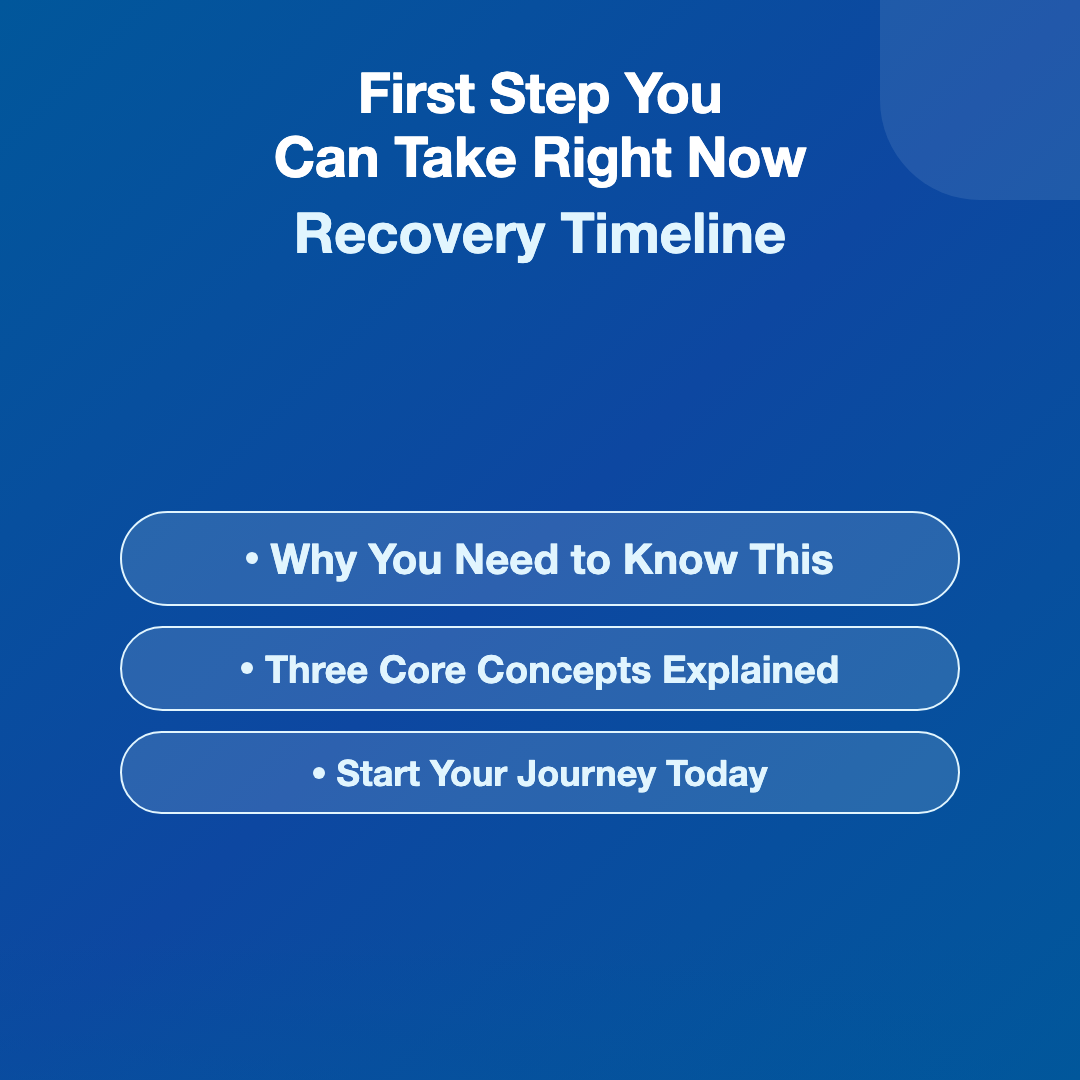
Why You Need to Know This
Understanding recovery helps you plan time off work, arrange support, and set realistic expectations. Many people underestimate healing time or miss warning signs that need medical attention.
Recovery knowledge reduces anxiety and helps you follow post-operative instructions correctly.
Three Core Concepts Explained Simply

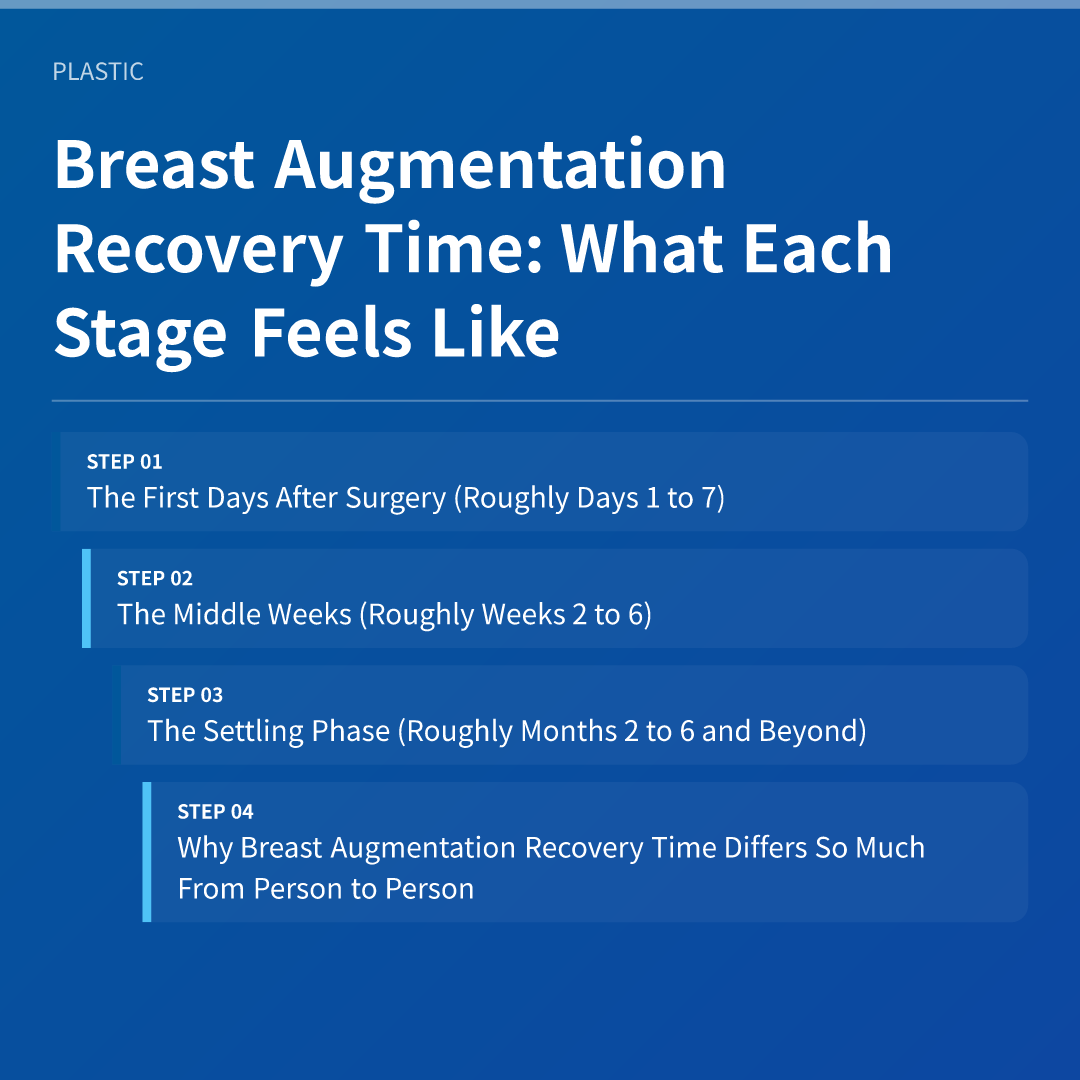
Immediate Recovery (Days 1-7)
The first week involves the most swelling, bruising, and discomfort. You’ll need rest, pain management, and help with daily tasks. Most people feel tired and see significant visible changes.
Active Healing (Weeks 2-6)
Swelling decreases gradually. Sutures may be removed. You can usually return to light activities, but strenuous exercise remains restricted. Results start becoming more visible.
Maturation Phase (Months 3-12)
Scars fade and soften. Final results emerge as tissues settle. Some procedures take a full year for complete healing, though most daily activities resume much earlier.
First Step You Can Take Right Now
Before surgery, prepare your recovery space. Stock soft foods, arrange transportation, gather prescribed medications, and set up a comfortable resting area with pillows.
Ask your surgeon for a written recovery timeline specific to your procedure.
Common Beginner Mistakes
Returning to work or exercise too soon can cause complications. Skipping follow-up appointments may delay problem detection. Comparing your healing to others’ timelines creates unnecessary worry—everyone heals differently.
Not asking questions when concerned is a missed opportunity for reassurance or early intervention.
Helpful Terms to Know
Edema: Medical term for swelling caused by fluid buildup.
Ecchymosis: Bruising from blood under the skin.
Seroma: Fluid collection that may need draining.
Moving to the Next Level
Once you understand general timelines, learn about your specific procedure’s unique considerations. Discuss realistic expectations, potential complications, and personalized recovery plans with your surgeon.
Recommended Resources
The American Society of Plastic Surgeons (plasticsurgery.org) offers procedure-specific recovery information. Your surgeon’s office should provide detailed written instructions and 24-hour contact information for urgent concerns.
Conclusion

The plastic surgery recovery timeline varies widely, but understanding general healing stages helps you prepare and recognize normal versus concerning symptoms. Individual results and healing speed differ based on procedure type, health status, and adherence to post-operative care. Always follow your surgeon’s specific instructions and seek professional medical advice for any recovery concerns.
Disclaimer: This article is for informational purposes only and is not a substitute for professional medical advice, diagnosis, or treatment. Please consult a licensed professional for personal health decisions.
📚 References
The official and high-authority sources below can help readers verify the context safely.