Signs You Need a Root Canal: What to Watch For
One of the easiest signs to brush off is a brief zing of pain when you drink something cold, especially if it fades in a second or two. That fleeting twinge can feel too minor to mention, but it’s often one of the first signs you need a root canal, particularly if it starts happening more often over a few weeks. Catching this early matters because untreated tooth pulp problems tend to get harder to manage, not easier, as time passes.
A root canal becomes necessary when the soft tissue inside a tooth — the pulp, which contains nerves and blood vessels — becomes inflamed or infected, often due to deep decay, a crack, or repeated dental work on the same tooth. Recognizing the pattern of symptoms as they shift can help you decide when a quick check-up is enough and when something needs more urgent attention.
Early Signs That Are Easy to Dismiss
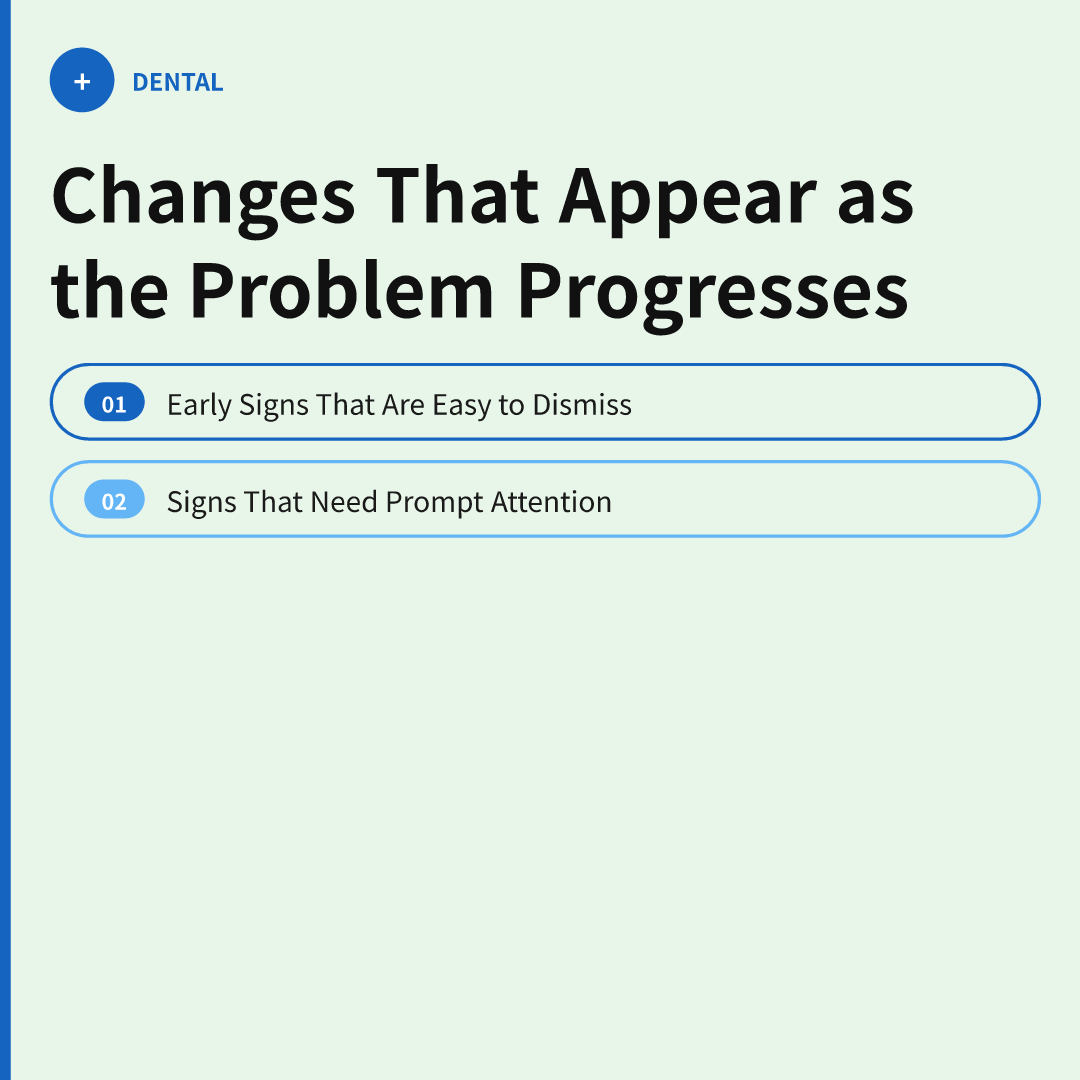
In the beginning, root canal symptoms are often subtle enough that people assume they’re dealing with ordinary tooth sensitivity or a minor cavity. Paying attention to how long these sensations last, and whether they’re isolated to one tooth, can help you tell the difference.
Lingering Sensitivity to Hot or Cold
How it shows up: a sharp or achy feeling when eating ice cream, drinking coffee, or breathing in cold air, that continues for ten seconds or longer after the trigger is gone. What it’s confused with: normal sensitivity from enamel wear or a small cavity, which usually fades almost instantly. According to the American Dental Association, pain that lingers well after the hot or cold stimulus is removed is one of the more common indicators of pulp inflammation.
(Source: ADA MouthHealthy — Root Canals)
Mild, Occasional Discomfort While Chewing
How it shows up: a dull twinge on one side when biting down on food, especially something hard or chewy. What it’s confused with: a loose filling, a small food particle stuck between teeth, or general jaw fatigue. If the discomfort keeps returning at the same spot, it’s worth having a dentist look at that specific tooth rather than assuming it will resolve on its own.
A Slight Color Change in One Tooth
How it shows up: the tooth looks slightly grayish, yellowish, or darker than the teeth around it. What it’s confused with: staining from coffee, tea, or tobacco, which usually affects several teeth rather than just one. A single tooth darkening on its own can suggest the nerve inside is struggling, even if there’s no pain yet.
Changes That Appear as the Problem Progresses
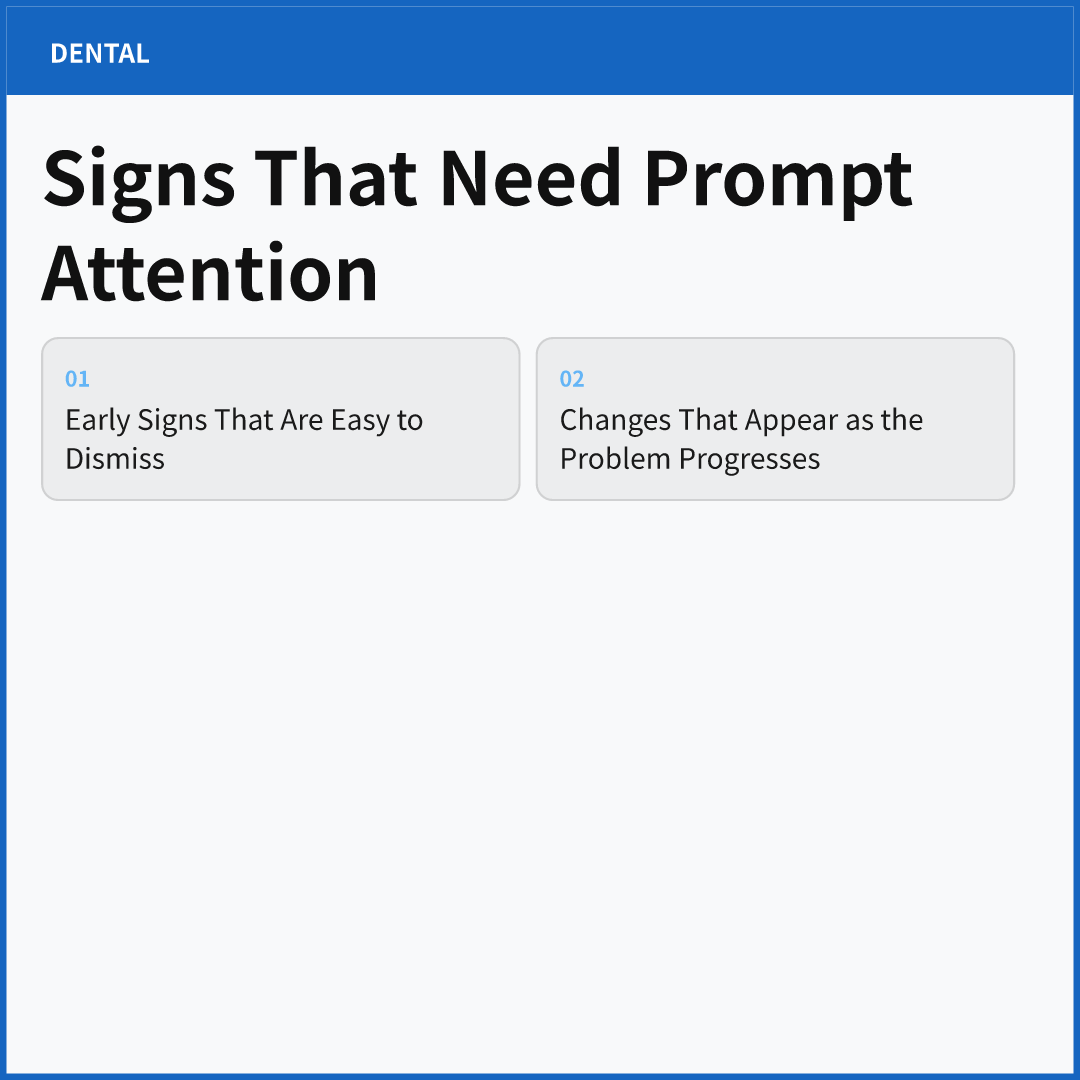
If early signs go unaddressed, the discomfort associated with root canal symptoms tends to become more noticeable and harder to ignore. This is generally the stage where people start looking up their symptoms and wondering whether a root canal is actually needed.
Pain That Lingers Longer and Feels Deeper
How it shows up: the sensitivity to temperature changes from a quick zing to a throbbing ache that can last several minutes. What it’s confused with: a sinus issue, since upper back teeth are close to the sinus cavity and can produce similar pressure-like pain. If cold or hot foods consistently trigger a deep, slow-fading ache, this is often a sign that pulp inflammation is advancing.
Soreness or Swelling in the Gums Near One Tooth
How it shows up: the gum tissue around a specific tooth looks puffy, feels tender to the touch, or appears slightly redder than the surrounding area. What it’s confused with: gum irritation from brushing too hard or a stuck piece of food. Swelling that’s localized to one tooth and doesn’t improve with better brushing habits is a signal worth having evaluated.
A Small Bump on the Gum (Sometimes Called a Gum Boil)
How it shows up: a small, pimple-like bump near the base of a tooth that may come and go, sometimes releasing fluid. What it’s confused with: a canker sore or minor gum irritation. This bump can actually be a sign of a dental abscess forming at the tip of the tooth’s root, which is a more serious development tied to infection.
what happens during a root canal procedure
Signs That Need Prompt Attention
Some symptoms suggest the infection or inflammation has reached a point where waiting is not a good idea. These signs are generally considered more urgent, and getting evaluated sooner rather than later can help prevent the problem from spreading.
Constant, Throbbing Pain That Disrupts Sleep or Daily Life
How it shows up: pain that doesn’t go away with over-the-counter pain relief and seems to intensify at night or when lying down. What it’s confused with: a severe headache or jaw tension from grinding teeth. Persistent, unrelenting tooth pain is one of the clearer signs you need a root canal or at least an urgent dental exam.
Visible Swelling in the Face, Cheek, or Jaw
How it shows up: noticeable puffiness on one side of the face, sometimes accompanied by warmth or tightness in the skin. What it’s confused with: an allergic reaction or insect bite, especially if swelling appears suddenly. Facial swelling connected to a tooth problem can indicate that infection has spread beyond the tooth itself, which is generally treated as a more urgent situation.
Fever, Along With Tooth Pain
How it shows up: a low-grade or higher fever that appears alongside jaw or tooth discomfort. What it’s confused with: a common cold or seasonal illness, especially if other symptoms like fatigue are also present. When fever accompanies dental pain, it may suggest the body is responding to a spreading infection, and this combination is generally a reason to seek same-day or next-day dental care.
A Tooth That Feels Loose or Shifts Slightly
How it shows up: the affected tooth feels like it moves a little more than neighboring teeth when you press on it with your tongue. What it’s confused with: normal minor tooth mobility that some adults have naturally. Sudden looseness in a tooth that was previously stable is worth having checked promptly, particularly if it’s paired with pain or swelling.
What You Can Do Depending on the Sign You’re Noticing
Not every symptom requires the same response, but having a general sense of what to do at each stage can help you act without panicking or waiting too long. This checklist is meant as a general guide, not a substitute for a dental evaluation.
- Occasional cold sensitivity: Note which tooth is affected and how long the sensation lasts, and mention it at your next routine dental visit if it continues for more than a week or two.
- Discomfort while chewing: Try eating on the opposite side temporarily and schedule a dental exam if the discomfort keeps recurring at the same spot.
- Tooth discoloration: Take a photo to track any changes over time and bring it up with a dentist, even if there’s no pain yet.
- Gum swelling or tenderness: Rinse gently with warm water and avoid irritating the area, but don’t wait too long to have it examined, since localized swelling rarely resolves on its own.
- A bump on the gum: Avoid poking or pressing on it, and treat this as a signal to book a dental appointment soon rather than later.
- Constant or worsening pain: Contact a dental office as soon as possible, since this level of discomfort often indicates the pulp is significantly inflamed or infected.
- Facial swelling or fever with tooth pain: Seek same-day dental or medical care, as this combination can point to a spreading infection that needs prompt attention.
It’s worth keeping in mind that root canal symptoms can vary quite a bit from person to person — some people experience very little pain even with significant pulp damage, while others feel discomfort early on. This individual variation is part of why self-diagnosis has real limits, and why a dental exam with imaging is generally the only reliable way to confirm whether a root canal is actually needed.
Understanding the Limits of Watching Symptoms at Home
Reading about signs you need a root canal can help you decide how urgently to act, but it can’t replace an actual dental exam. Dentists typically rely on X-rays, temperature tests, and a physical exam to determine whether the pulp is damaged and whether a root canal, rather than a filling or another treatment, is the right approach. Trying to guess based on symptoms alone can lead to either unnecessary worry or, more concerning, delaying care that’s actually needed.
If a tooth-related symptom is affecting your ability to eat, sleep, or concentrate on daily tasks, that’s generally a reasonable point to stop watching and start scheduling a dental visit.
You should reach out to a dental professional promptly if you notice any of the following:
- Tooth pain that lasts more than a day or two without improving
- Sensitivity to hot or cold that lingers well after the trigger is removed
- Visible swelling in the face, cheek, or gums near a specific tooth
- A fever occurring alongside dental pain
- A tooth that feels loose or has changed color without an obvious cause
- A small bump or recurring sore on the gum near a tooth
- Pain severe enough to interrupt sleep or daily activities
Recognizing the signs you need a root canal early on can make a real difference in how straightforward treatment ends up being, and in how much discomfort you experience along the way. Since symptoms and their severity can differ from person to person, the safest approach is to treat persistent or worsening tooth-related symptoms as a reason to see a dentist rather than to wait and see.
⚠️ Disclaimer: This article is for informational purposes only and is not a substitute for professional medical advice.
Disclaimer: This article is for informational purposes only and is not a substitute for professional medical advice, diagnosis, or treatment. Please consult a licensed professional for personal health decisions.