Why Your Mouth Gets Dry at Night and How to Fix It
Waking up with a parched mouth, sticky tongue, or sore throat is more than just uncomfortable—it can affect your sleep quality, oral health, and daily well-being. Understanding dry mouth causes at night helps you identify practical solutions and know when professional guidance might be needed.
This article explains the common reasons behind nighttime dry mouth, walks you through actionable steps to address it, and outlines when to consult a healthcare provider. Whether you’re dealing with occasional dryness or persistent discomfort, you’ll find clear information to help you make informed decisions about your oral comfort.
What You’ll Learn in This Resource
- The biological reasons saliva production decreases at night
- How medications, breathing patterns, and health conditions contribute to dry mouth
- Seven practical steps to reduce nighttime dryness
- Common mistakes that worsen the problem
- Advanced strategies for persistent cases
- Products and tools that may help
- When professional consultation becomes important
Understanding Nighttime Dry Mouth Basics
Dry mouth, medically termed xerostomia, occurs when salivary glands don’t produce enough moisture to keep your mouth comfortably wet. While everyone experiences some reduction in saliva flow during sleep, certain factors can make this natural decrease more pronounced and problematic.
Saliva serves multiple protective functions: it neutralizes acids, washes away food particles, aids digestion, and helps prevent tooth decay and gum disease. When production drops significantly at night, you may notice a dry, sticky feeling in your mouth, difficulty swallowing, bad breath upon waking, or even cracked lips.
Why Saliva Production Naturally Decreases During Sleep
Your body’s circadian rhythm influences saliva production. During sleep, your parasympathetic nervous system reduces salivary gland activity as part of normal rest processes. This natural decline is typically mild and doesn’t cause discomfort in most people. However, when combined with other factors—such as mouth breathing, medications, or underlying health conditions—this reduction can become noticeable and bothersome.
The Difference Between Occasional and Chronic Dryness
Occasional nighttime dry mouth might happen after a particularly salty meal, during mild illness, or in very dry indoor environments. Chronic dry mouth occurs regularly, often nightly, and may indicate an underlying cause that requires attention. Persistent dryness can increase your risk of cavities, oral infections, and discomfort that affects sleep quality.
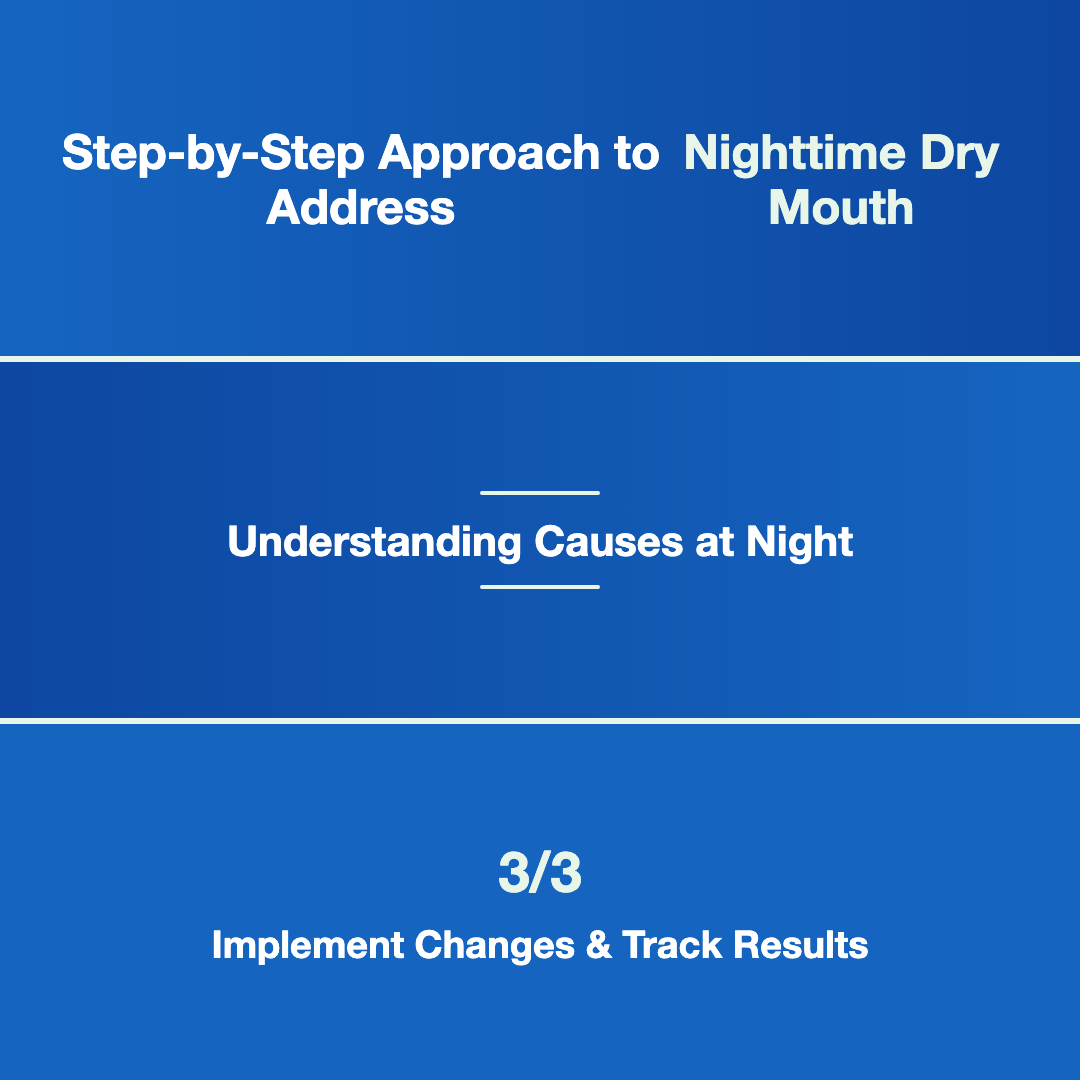
Step-by-Step Approach to Address Nighttime Dry Mouth
Step 1: Evaluate Your Breathing Pattern
Mouth breathing is one of the most common dry mouth causes at night. When you breathe through your mouth instead of your nose, air flows directly across oral tissues, evaporating moisture and leaving your mouth dry by morning.
What to do: Pay attention to whether you wake with your mouth open or if your bed partner notices you breathing through your mouth during sleep. Nasal congestion, allergies, or structural issues like a deviated septum can force mouth breathing. Addressing the underlying nasal obstruction—through allergy management, nasal strips, or medical consultation—often reduces mouth breathing and subsequent dryness.
Step 2: Review Your Medications
Many common medications list dry mouth as a side effect. These include antihistamines, decongestants, blood pressure medications, antidepressants, muscle relaxants, and pain medications. The effect can be more noticeable at night when natural saliva production already decreases.
What to do: Make a list of all medications and supplements you take, including over-the-counter products. Discuss this list with your prescribing doctor or pharmacist. In some cases, adjusting dosage timing, switching to alternative medications with fewer drying effects, or adding saliva substitutes may help. Never stop or change medications without professional guidance.
Step 3: Optimize Your Hydration Timing
Dehydration contributes to reduced saliva production. While drinking water throughout the day is important, the timing and amount of evening fluid intake can affect nighttime comfort without causing disruptive bathroom trips.
What to do: Aim for consistent hydration during daytime hours. In the evening, sip water regularly until about an hour before bed, then reduce intake to minimize nighttime bathroom visits. Keep a small glass of water on your nightstand for occasional sips if you wake with dryness. Avoid alcohol and caffeine in the evening, as both can contribute to dehydration and reduced saliva flow.
Step 4: Adjust Your Sleep Environment
Low humidity in your bedroom can worsen nighttime dry mouth by increasing moisture evaporation from oral tissues. Central heating in winter and air conditioning in summer both reduce indoor humidity levels.
What to do: Consider using a bedroom humidifier to maintain humidity levels between 30-50%. Clean the humidifier regularly according to manufacturer instructions to prevent mold or bacteria growth. Position the unit away from your bed to avoid excessive moisture on bedding while still benefiting from increased room humidity.
Step 5: Stimulate Saliva Production Before Bed
Encouraging saliva flow before sleep can help maintain some moisture through the night. Sugar-free methods work best to avoid dental concerns.
What to do: About 30 minutes before bed, chew sugar-free gum or suck on a sugar-free lozenge to stimulate saliva production. Xylitol-containing products may offer additional dental benefits. This pre-sleep stimulation can help keep your mouth more comfortable as you fall asleep. Avoid sugary products that can contribute to tooth decay, especially when saliva flow is reduced overnight.
Step 6: Examine Dietary and Lifestyle Factors
Certain foods, beverages, and habits can worsen dry mouth causes at night. Salty or spicy foods increase thirst and can leave your mouth feeling drier. Alcohol consumption reduces saliva production. Smoking or tobacco use significantly decreases saliva flow and damages salivary glands over time.
What to do: Limit salty and spicy foods in evening meals. Avoid alcohol for several hours before bed. If you use tobacco products, consider this an additional reason to explore cessation resources—your healthcare provider can discuss options. Choose balanced evening meals with adequate moisture content, such as soups, fruits, and vegetables.
Step 7: Consider Underlying Health Conditions
Several health conditions can affect saliva production. Diabetes, Sjögren’s syndrome, rheumatoid arthritis, and other autoimmune conditions may reduce salivary gland function. Nerve damage from injuries or previous surgeries can also impact saliva production. Aging naturally reduces some salivary gland efficiency, though severe dryness is not a normal part of aging.
What to do: If you’ve addressed lifestyle factors without improvement, or if dry mouth is accompanied by other symptoms—such as dry eyes, joint pain, frequent infections, or difficulty swallowing—schedule a consultation with your healthcare provider. They can evaluate for underlying conditions and recommend appropriate management strategies.
Common Mistakes and What to Avoid
Relying Solely on Nighttime Water
While keeping water nearby helps, frequently sipping water overnight doesn’t address the underlying cause and can disrupt sleep with bathroom trips. Water provides temporary relief but doesn’t stimulate sustained saliva production.
Using Mouthwashes with Alcohol
Alcohol-based mouthwashes can actually worsen dry mouth by further drying oral tissues. If you use mouthwash, choose alcohol-free formulations designed for dry mouth relief.
Ignoring Persistent Symptoms
Ongoing dry mouth isn’t just uncomfortable—it increases your risk of dental decay, gum disease, oral infections, and difficulty eating or speaking. Addressing persistent dryness early helps prevent these complications.
Self-Diagnosing Serious Conditions
While this article outlines common dry mouth causes at night, only a qualified healthcare provider can diagnose specific medical conditions. If you suspect an underlying health issue, professional evaluation is important rather than attempting self-treatment based on internet research.
Advanced Strategies for Persistent Dry Mouth
Prescription Saliva Stimulants
For individuals with significantly reduced saliva production due to medical conditions or treatments like radiation therapy, prescription medications that stimulate salivary glands may be an option. These require medical evaluation and monitoring for effectiveness and potential side effects.
Specialized Oral Moisturizers
Over-the-counter oral moisturizing gels, sprays, and rinses are formulated to coat oral tissues and provide longer-lasting moisture than water alone. These products often contain ingredients like glycerin or carboxymethylcellulose that help retain moisture. They can be particularly helpful when used before bed.
Sleep Position Modification
Some people find that sleeping with their head slightly elevated reduces mouth breathing and associated dryness. Adjusting pillow height or using a wedge pillow may help, especially if you also experience acid reflux, which can worsen dry mouth.
Addressing Sleep Disorders
Sleep apnea and other sleep-disordered breathing conditions often involve mouth breathing and can contribute significantly to nighttime dry mouth. If you snore loudly, experience daytime fatigue, or have witnessed breathing pauses during sleep, discuss these symptoms with your healthcare provider. Treatment for sleep disorders often improves associated dry mouth.
Helpful Products and Resources
Humidifiers
Cool-mist or warm-mist humidifiers can increase bedroom humidity. Look for models with adjustable settings, automatic shut-off, and easy-to-clean components. Hygrometers (humidity measuring devices) can help you monitor room humidity levels.
Sugar-Free Oral Products
Sugar-free gum and lozenges containing xylitol can stimulate saliva flow without increasing cavity risk. Many brands specifically market products for dry mouth relief.
Saliva Substitutes and Oral Moisturizers
Products like Biotene, Oasis, and XyliMelts offer various formulations—sprays, gels, rinses, and dissolving discs—designed to supplement natural saliva. Individual preferences vary, so you may need to try different products to find what works best for you.
Nasal Breathing Aids
External nasal strips, nasal dilators, and saline nasal sprays can help improve nasal breathing and reduce mouth breathing during sleep. These are generally safe for most people but discuss with a healthcare provider if you have chronic nasal congestion.
Professional Resources
Dentists can evaluate oral health impacts of dry mouth and recommend appropriate products or treatments. Primary care physicians can assess for underlying medical conditions. Ear, nose, and throat specialists (ENTs) can address nasal obstruction issues. Sleep medicine specialists can evaluate for sleep disorders contributing to mouth breathing.
Quick Reference Checklist
Use this checklist to systematically address dry mouth causes at night:
- ☐ Assess whether you breathe through your mouth during sleep
- ☐ Review all medications for dry mouth side effects with your pharmacist or doctor
- ☐ Maintain consistent daytime hydration
- ☐ Set up a bedroom humidifier and monitor humidity levels
- ☐ Use sugar-free gum or lozenges before bed to stimulate saliva
- ☐ Avoid alcohol, caffeine, and tobacco, especially in the evening
- ☐ Keep water nearby for occasional sips but don’t rely on it as the only solution
- ☐ Try alcohol-free oral moisturizing products designed for dry mouth
- ☐ Note any other symptoms (dry eyes, joint pain, snoring, fatigue)
- ☐ Schedule professional consultation if dryness persists despite lifestyle changes
Frequently Asked Questions
Is it normal to have a dry mouth every night?
While saliva production naturally decreases during sleep, waking with significant discomfort or dryness every night is not typical and suggests an addressable cause. Occasional mild dryness may be normal, but persistent symptoms warrant investigation of contributing factors.
Can dry mouth at night damage my teeth?
Yes, chronic dry mouth increases cavity risk because saliva helps neutralize acids and wash away bacteria. If you experience persistent nighttime dry mouth, discuss preventive strategies with your dentist, such as fluoride treatments or prescription-strength toothpaste.
How quickly will changes help my dry mouth?
This varies by cause. If mouth breathing from nasal congestion is the issue, addressing congestion may provide relief within days. If medication side effects are responsible, changes may take longer and require medical guidance. Environmental adjustments like humidifiers often show benefits within a week of consistent use.
Should I drink more water right before bed?
Drinking large amounts of water immediately before bed can lead to disruptive nighttime bathroom trips without addressing underlying dry mouth causes at night. Instead, maintain good hydration throughout the day and evening, then reduce intake about an hour before sleep. Keep water nearby for small sips if needed overnight.
Are there foods that help with dry mouth?
Sugar-free gum and lozenges stimulate saliva production. Foods with high water content—like cucumbers, melons, and celery—contribute to overall hydration. Avoid very salty, spicy, or dry foods in the evening, as these can worsen mouth dryness.
When should I see a doctor about nighttime dry mouth?
Consider professional consultation if dry mouth persists despite lifestyle changes, if you experience other symptoms like dry eyes or joint pain, if dry mouth significantly affects your sleep or daily activities, or if you notice increased dental problems like cavities or gum irritation. Your healthcare provider can evaluate for underlying conditions and recommend appropriate management.
Can allergies cause dry mouth at night?
Yes, allergies often cause nasal congestion that leads to mouth breathing during sleep, resulting in dry mouth. Additionally, antihistamine medications used to manage allergies commonly list dry mouth as a side effect. Addressing both the allergies and finding the lowest effective medication dose may help.
Do humidifiers really help with dry mouth?
For many people, maintaining adequate bedroom humidity reduces moisture evaporation from oral tissues and provides noticeable relief. Effectiveness varies by individual circumstances, but humidifiers are a low-risk option worth trying, especially in dry climates or during winter heating seasons.
Conclusion
Understanding dry mouth causes at night empowers you to take practical steps toward relief. Whether your dryness stems from mouth breathing, medication side effects, environmental factors, or underlying health conditions, systematic evaluation and targeted changes often bring meaningful improvement.
Start with the most common factors—breathing patterns, hydration habits, and bedroom environment—then progress to more specific interventions as needed. Remember that persistent or severe dry mouth warrants professional evaluation to rule out underlying conditions and access appropriate treatments.
Addressing nighttime dry mouth not only improves your immediate comfort and sleep quality but also protects your long-term oral health. By combining the practical steps outlined here with professional guidance when needed, you can work toward more comfortable nights and healthier mornings.
Disclaimer: This article is for informational purposes only and is not a substitute for professional medical advice, diagnosis, or treatment. Please consult a licensed professional for personal health decisions.
📚 References
The official and high-authority sources below can help readers verify the context safely.