Best Dental Implants Near Me: How to Read the Plan
Finding the best dental implants near me usually comes down to reading a treatment plan carefully, because the "best" option depends on your bone, gums, health history, and budget rather than on a single clinic or label. So let's read an implant estimate together, line by line, the way you would read the back of a product box. Most written plans use similar terms, and knowing what each one means makes your consultation far more useful.
This is general information from an editor's point of view, not a recommendation of any clinic, brand, or approach. Whether an implant suits you is something only a licensed dentist can judge after examining you.
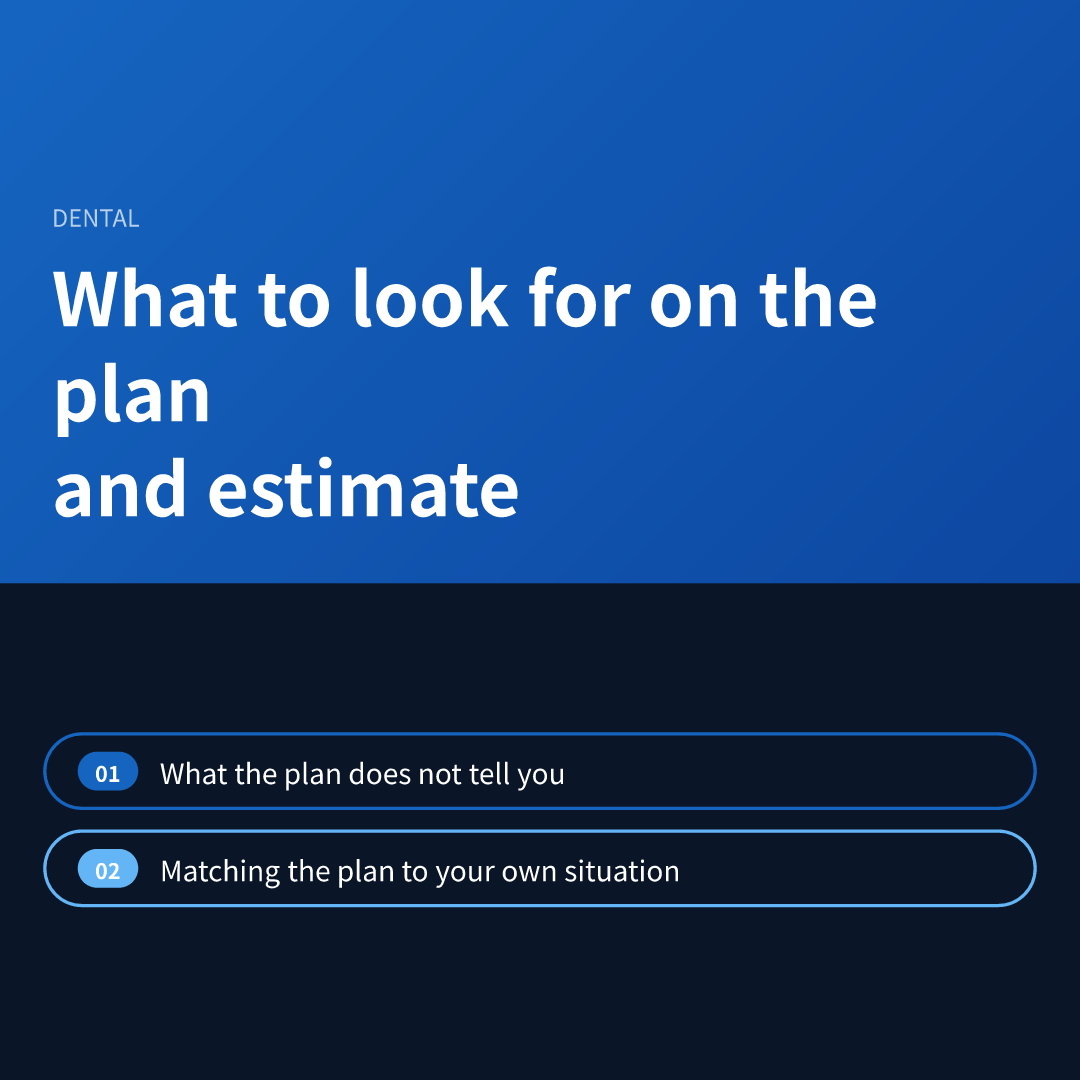
What to look for on the plan and estimate
A written implant plan often looks like a list of codes and part names. Each item has a plain meaning, and each has a common misunderstanding attached. Here they are in pairs.
The implant itself (the "fixture")
What it means: The fixture is the small post placed in the jawbone to act as an artificial tooth root. It is typically made of titanium or a titanium alloy, though some clinics also discuss ceramic options. Common mix-up: Many people think the implant is the whole tooth. It is only the anchor, and the visible tooth is a separate part.
The abutment
What it means: The abutment is the connector that sits between the fixture and the crown. It may be a stock part or one made for your mouth. Common mix-up: Because it is often a separate line item, people assume it is an optional extra. In many designs it is a required piece, so ask whether it is already included in the quoted price.
The crown (or bridge, or denture)
What it means: This is the visible replacement tooth or teeth. Materials vary, including porcelain, zirconia, and metal-based options, and each has different appearance and wear characteristics. Common mix-up: People often assume all crowns are interchangeable. Material, shade matching, and the lab doing the work can all affect the look and the cost.
Imaging and diagnostic records
What it means: Plans commonly list X-rays, a 3D scan, or digital impressions. These help the dentist assess bone volume, nearby nerves, and sinus position. Common mix-up: A basic X-ray is sometimes treated as enough. Whether more detailed imaging is needed is a clinical judgment, and it is reasonable to ask why a particular scan was or was not chosen.
Bone grafting or sinus procedures
What it means: If the jaw lacks enough bone, a plan may include grafting material or a sinus-related step to build support first. Common mix-up: Some readers see this as an upsell. In many cases it reflects the anatomy, but it is also fair to ask what the alternatives are and what happens if you decline it.
Staging and timeline
What it means: Implant care usually happens in stages, with healing time built in between placement and the final crown. The length varies by person and by whether grafting is involved. Common mix-up: "Same-day teeth" wording can suggest the whole process finishes in one visit. Often it refers to a temporary tooth, with the final restoration coming later.
Related reading: Plastic Surgery Infection Prevention: A Step-by-Step Look
What the plan does not tell you
A plan lists parts and fees, but some of the most important information sits outside the paperwork. Looking for the gaps is part of choosing well.
Who is doing the work
The estimate rarely explains the training of the person placing the implant. Dentists, periodontists, and oral surgeons all place implants in different settings. It is reasonable to ask about the clinician's training and how often they handle cases like yours. Check licensing through your state dental board, which is the usual public place to confirm a license and look for disciplinary records.
What happens if something goes wrong
Implants can face complications. According to MedlinePlus general guidance and information from the American Dental Association, possible issues include infection, gum inflammation around the implant, and implants that do not integrate with the bone. Risk varies from person to person, and conditions such as smoking, poorly controlled diabetes, and gum disease are commonly discussed as factors. A plan seldom spells out how follow-up problems are handled, so ask whether revisions, warranties, or repeat visits are covered and for how long.
Long-term maintenance
The quoted fee usually covers placement and the crown, not the years afterward. Implants still need cleaning, checkups, and attention to the surrounding gums. Crowns can wear or loosen over time and may need repair or replacement. Ask what ongoing care your dentist expects and what it might cost.
Whether an implant is the only option
A plan for implants rarely lays out the alternatives side by side. Bridges and removable dentures are also commonly discussed ways to replace missing teeth, each with different trade-offs in cost, upkeep, and effect on neighboring teeth. A good consultation usually includes at least a brief conversation about these.
What "best" and "near me" can hide
Search results and ratings can reflect marketing as much as quality. Reviews are one signal, but they do not replace checking credentials or asking direct questions. Be cautious about any clinic that promises a specific result or pressures you to decide quickly. The Federal Trade Commission has general consumer guidance about being wary of unsubstantiated claims, and that applies to dental advertising too.
Matching the plan to your own situation

The same estimate can mean very different things for different people. These situations are commonly raised in consultations, and each is worth discussing with a licensed dentist.
- Gum disease or past gum problems: Active gum disease is generally something dentists want addressed before implants are considered, since inflammation around the gums can affect healing.
- Smoking or tobacco use: The National Institutes of Health and other public health bodies note that tobacco use can affect oral healing. Mention it openly so the plan reflects reality.
- Chronic health conditions: Diabetes, autoimmune conditions, and some medications, including certain bone-related drugs, can matter. Bring a full medication list to your appointment.
- Jawbone changes after tooth loss: Bone can shrink over time after a tooth is gone, which is one reason grafting appears in some plans and not others.
- Teeth grinding or clenching: Heavy bite forces can stress dental work. If you grind your teeth, say so, since it may influence material choices or protective steps.
- Budget and insurance: Coverage for implants varies widely between plans, and many exclude them or cover only part of the work. Ask for an itemized estimate and check with your insurer before committing.
- Pregnancy or planned surgery elsewhere: Timing may matter, so mention upcoming medical events.
Getting a second opinion
It is common and reasonable to compare written plans from more than one licensed provider. When you do, compare like with like: the same teeth, the same type of restoration, and the same items included. A lower number may simply leave something out, such as the abutment, imaging, or follow-up visits.
Signs to get care promptly
After implant surgery, contact your dental provider if you notice worsening pain, swelling that keeps increasing, fever, pus, bleeding that will not settle, or a crown or post that feels loose. Trouble breathing or swallowing, or swelling that spreads toward the eye or neck, calls for urgent medical care. Your clinic's aftercare instructions, not a general article, should guide what you do day to day.
Frequently asked questions
Is a more expensive implant plan always higher quality?
No, price alone does not tell you quality. Differences in what is included, such as imaging, grafting, temporary teeth, and follow-up, can explain much of a gap between estimates. Ask for itemized quotes so you can compare what each one actually covers.
Do I need to see a specialist rather than a general dentist?
Not necessarily, since both general dentists and specialists place implants. Complex cases, such as significant bone loss or medical complications, are often referred to specialists. Ask any provider about their training and experience with cases like yours.
How can I tell whether a clinic is being straightforward with me?
Look for clear answers about alternatives, risks, and costs, and for willingness to let you take time and compare. Be wary of pressure to decide quickly or promises of a specific outcome. Confirming the provider's license with your state dental board is a simple, neutral check.
Will my existing health conditions rule out implants?
Not automatically, but some conditions can affect planning and healing. Whether an implant fits your situation depends on an exam and your full health history. Share all medications and conditions so your dentist and, where relevant, your physician can weigh them together.
One last check before you commit: ask your dentist to put in writing exactly what the quoted fee includes and excludes, from imaging to the final crown to follow-up care, so that whichever clinic you choose as the best dental implants near me, you are comparing plans on equal footing.
Disclaimer: This article is for informational purposes only and is not a substitute for professional medical advice, diagnosis, or treatment. Please consult a licensed professional for personal health decisions.