Dental Implant Bone Loss Prevention: Mistakes to Avoid
Waiting to see whether a sore or loose-feeling implant "settles down on its own" is one of the most common missteps, and it can work against dental implant bone loss prevention. Jawbone around an implant can change quietly, often with little pain at first, so a problem that seems minor may be going on beneath the gum line. Early attention from a dental professional generally gives more options than late attention, though outcomes differ from person to person.
This article walks through frequent mistakes, why each one tends to backfire, and what to do instead. It also covers how the advice shifts in different situations and answers a few questions readers often raise. None of it replaces an exam, X-rays, or a personalized plan from your own dentist.
Common mistakes that put bone at risk
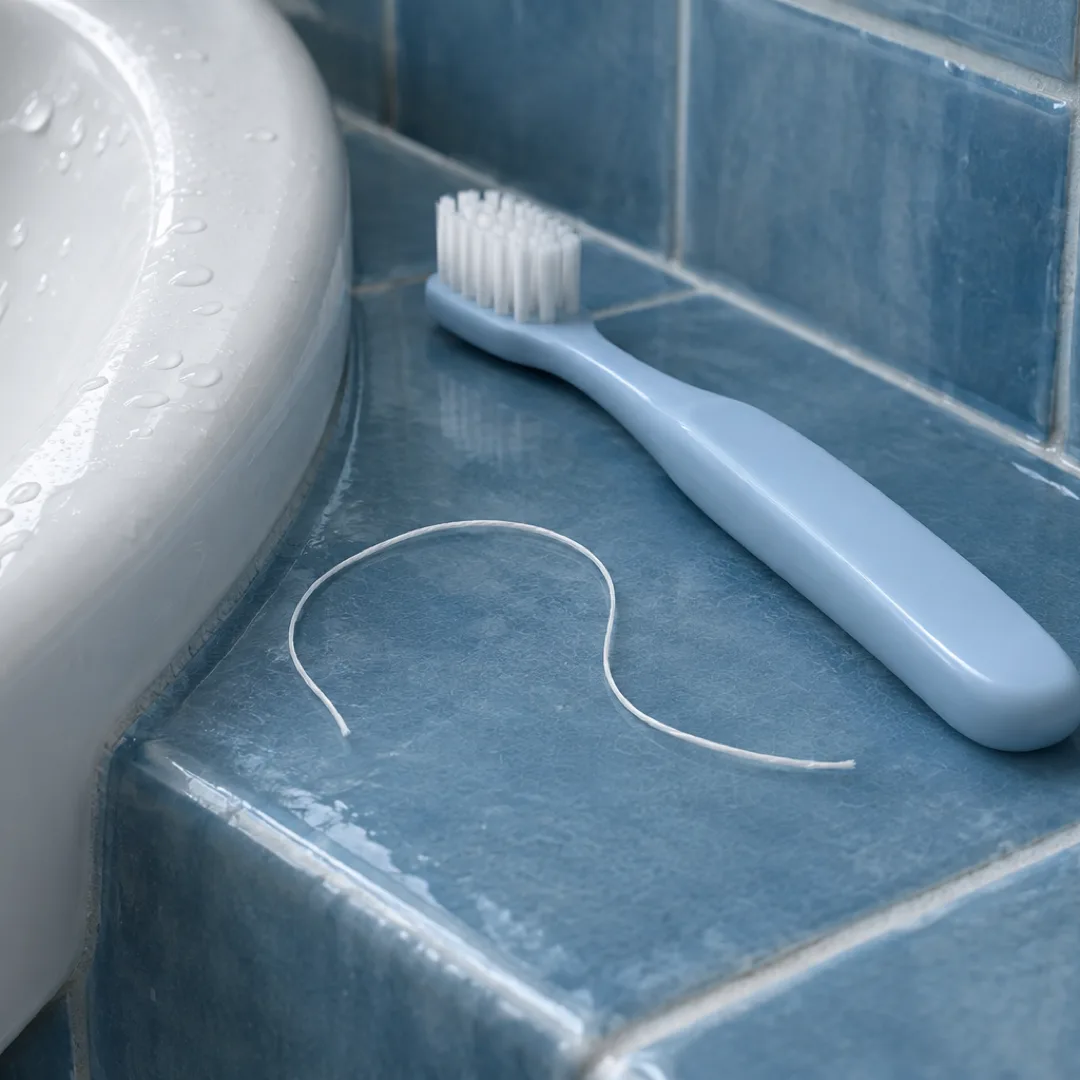
Bone around teeth and implants is living tissue. It responds to chewing forces, inflammation, and the overall health of the body. According to the National Institute of Dental and Craniofacial Research (NIDCR), gum disease is a leading cause of tooth loss in adults, and similar inflammatory processes can affect tissue around implants. The mistakes below tend to feed that inflammation or ignore warning signs.
Mistake 1: Assuming an implant can't get "gum disease"
Because an implant is not a natural tooth, many people assume it cannot decay or become infected, so cleaning feels optional. The reasoning is understandable, but it overlooks the fact that the gum and bone around the implant can still become inflamed when plaque builds up. Dental organizations such as the American Dental Association (ADA) describe peri-implant disease, an inflammatory condition of the tissues around an implant, as a recognized concern.
What to do instead: Treat the implant like any other tooth in your daily routine, and ask your dental team which brushing tools and cleaning aids suit your particular implant and crown design. Techniques that suit one mouth may not suit another.
Mistake 2: Skipping follow-up visits because nothing hurts
Early changes around an implant often do not hurt. By the time discomfort shows up, tissue changes may already be well along. Pain is an unreliable alarm for this kind of problem.
What to do instead: Keep scheduled checkups and cleanings, since dental professionals can measure gum pockets, look for bleeding, and take X-rays when they judge it appropriate. The right visit schedule depends on your history, so ask your dentist what interval makes sense for you.
Related reading: Dental Implant Complications and Side Effects: Who Should Wait
Mistake 3: Smoking or vaping and hoping for the best
Some people keep smoking after implant surgery, reasoning that the implant is "just metal." The trouble is that tobacco use is commonly associated with poorer healing and a higher chance of gum and bone problems. The Centers for Disease Control and Prevention (CDC) notes that smoking is a recognized risk factor for gum disease, and gum disease and implant tissue trouble share many features.
What to do instead: If you use tobacco or nicotine products, talk with your dentist or physician about support for quitting. Many people find a structured plan easier than going it alone, and your care team can point you to appropriate programs and products.
Mistake 4: Ignoring heavy clenching or grinding
Teeth grinding and clenching are often unnoticed because they happen during sleep or concentration. Strong, repeated forces may place extra stress on an implant and its supporting bone, and some dental sources discuss this as a possible contributing factor to implant problems. The evidence and the degree of risk vary, so it is a topic for a conversation rather than a conclusion.
What to do instead: Mention jaw soreness, morning headaches, worn teeth, or a partner hearing grinding at night. A dentist can assess whether a protective mouthguard or other approach makes sense for you. Appliances like that are fitted by dental professionals, so a store-bought version is worth discussing with your dentist first.
Mistake 5: Leaving a missing tooth space empty for years
Waiting a long time before replacing a tooth is common, often for cost or fear. The catch is that bone in an empty space tends to shrink gradually when it is no longer stimulated by a tooth root. When more bone has been lost, placing an implant can become more complex, and some people need extra bone-building procedures first.
What to do instead: Ask early about your options, including whether a bone graft at the time of extraction (sometimes called socket preservation) fits your case. Your dentist or an oral surgeon can explain the trade-offs, timing, and costs, which differ widely between practices and regions.
Mistake 6: Overlooking general health conditions
Managing the mouth alone while ignoring the rest of the body is another frequent gap. Conditions such as poorly controlled diabetes are commonly linked with slower healing and a greater likelihood of gum problems, according to guidance from the National Institutes of Health (NIH) and the CDC. Certain medications and bone-related conditions may also matter.
What to do instead: Give your dentist a complete, current list of medical conditions and medications, including any bone-related treatments. Do not stop or change any prescription on your own; questions about medicines belong with your prescribing clinician and pharmacist.
What to do instead: building a steady routine
Looking at the mistakes above, a pattern appears. Most are about consistency and communication rather than any single dramatic step. Supporting jawbone health around an implant generally comes down to a few habits that work together.
- Daily cleaning that reaches all sides of the implant: Plaque control around the crown and gum line is widely considered the foundation. Your dental hygienist can demonstrate methods suited to your mouth.
- Regular professional monitoring: Exams and imaging let a dentist notice changes you cannot see or feel.
- Healthy habits overall: A balanced diet, limiting tobacco, and managing chronic conditions with your healthcare team all support healing and tissue health.
- Prompt reporting of changes: Bleeding, swelling, a bad taste, gum that pulls back, or an implant that feels different are worth a call rather than a wait-and-see approach.
Related reading: How Much Do Dental Implants Cost? What Shapes the Price
None of this guarantees that bone will stay exactly as it is. Some people do everything right and still run into trouble, while others have fewer issues than expected. That variation is why a personal evaluation matters more than a general rule.
Applying this to your situation
If you are planning an implant but have a gap or a failing tooth
Timing may matter, since bone tends to change after a tooth is removed. It can help to ask a dental professional whether preserving the site during extraction is appropriate, and what the overall sequence of treatment would look like. Imaging can show how much bone is present, which shapes the plan.
If you recently had an implant placed
The early healing period is when written aftercare instructions from your dental team matter most. Follow what your own clinic gave you, because protocols differ depending on the procedure. If swelling, bleeding, or pain seems to be getting worse rather than better, contact the office rather than waiting for the next scheduled visit.
If your implant has been in place for years
Long-standing implants still need monitoring, since changes can develop slowly. Mention any gum redness, bleeding when cleaning, or a change in how the crown feels. Dentists may recommend different steps depending on whether the issue is mild inflammation or more advanced bone changes.
If you have gum disease history, diabetes, or a grinding habit
These are the situations where closer communication with your dental team often makes the most difference. People with a history of gum disease are commonly watched more carefully, and managing blood sugar with your physician may support healing. Your dentist can tailor the monitoring plan to your risk profile.
When to seek care promptly
Contact a dentist soon if you notice any of the following around an implant:
- Persistent gum bleeding, redness, or swelling
- Pus, a bad taste, or a foul odor
- Gums that seem to be pulling away from the implant
- An implant or crown that feels loose or shifts
- Ongoing pain when biting or at rest
If swelling spreads to the face or neck, or you develop fever or trouble swallowing or breathing, seek urgent medical care.
Limits of what general advice can tell you
General articles can describe common patterns, but they cannot see your X-rays, your gum measurements, or your medical history. Different implant designs, surgical techniques, and bone-building materials exist, and what suits one person may not suit another. Costs, timelines, and recovery also vary between practices. Use this information to prepare better questions for your appointment, not to decide on treatment yourself.
Frequently asked questions
If an implant isn't a real tooth, why does it still need such careful cleaning?
Because the gum and bone around an implant can become inflamed when plaque builds up, even though the implant itself cannot decay. The ADA and NIDCR both describe gum-related disease as a recognized concern for natural teeth, and similar inflammation can affect implant tissue. If you want to know which tools suit your crown design, your hygienist can show you.
If I feel no pain, can I safely skip a checkup?
If your implant feels fine, a checkup may still be worthwhile, because early changes around implants often cause no discomfort. Dental professionals can measure gum pockets and use X-rays when appropriate to spot changes you cannot feel. How often you should go depends on your own history, so your dentist is the right person to set that schedule.
If I already have some bone loss, is it too late to do anything?
If bone loss has been found, a dentist can evaluate how far it has gone and which options may fit, since approaches differ depending on the cause and severity. Some situations call for professional cleaning and closer monitoring, while others may involve additional procedures, and results vary between people. An early conversation generally leaves more choices open than a late one.
Disclaimer: This article is for informational purposes only and is not a substitute for professional medical advice, diagnosis, or treatment. Please consult a licensed professional for personal health decisions.