Ethnic Rhinoplasty for Asian Nose: What to Know First
Ethnic rhinoplasty for an Asian nose means nose surgery planned around a person's own facial structure and heritage, rather than a single "ideal" shape. It is not one standard operation. The plan depends on skin thickness, cartilage strength, bridge height, and what the person actually wants to change, and results vary from person to person.
Interest in this topic has grown as more people look for beauty choices that feel personal instead of copied from a template. Social media, celebrity photos, and filters have also made facial proportions a regular conversation. That attention can be useful, but it can also blur the line between what is realistic and what is only a flattering angle.
Where this topic comes up
People usually search for this subject after noticing a specific feature that bothers them, or after hearing that "Western" rhinoplasty techniques do not always suit every nose. Both worries are understandable. Surgeons often discuss that noses across different backgrounds can differ in typical anatomy, which is why a one-size-fits-all approach is widely questioned in plastic surgery education.
Here are two made-up but common situations to anchor the ideas.
- Situation one: A woman in her late twenties feels her nose bridge looks low in profile and the tip looks rounded and broad in photos. She wants a subtle change that still looks like her family.
- Situation two: A man in his thirties has a nose that is fairly high at the bridge but wide at the base, with thick skin at the tip. He is unsure whether surgery could even change the tip much, and he worries about looking "operated on."
These two people may both search the same phrase, yet their conversations with a surgeon would look quite different. That difference is the heart of this topic.
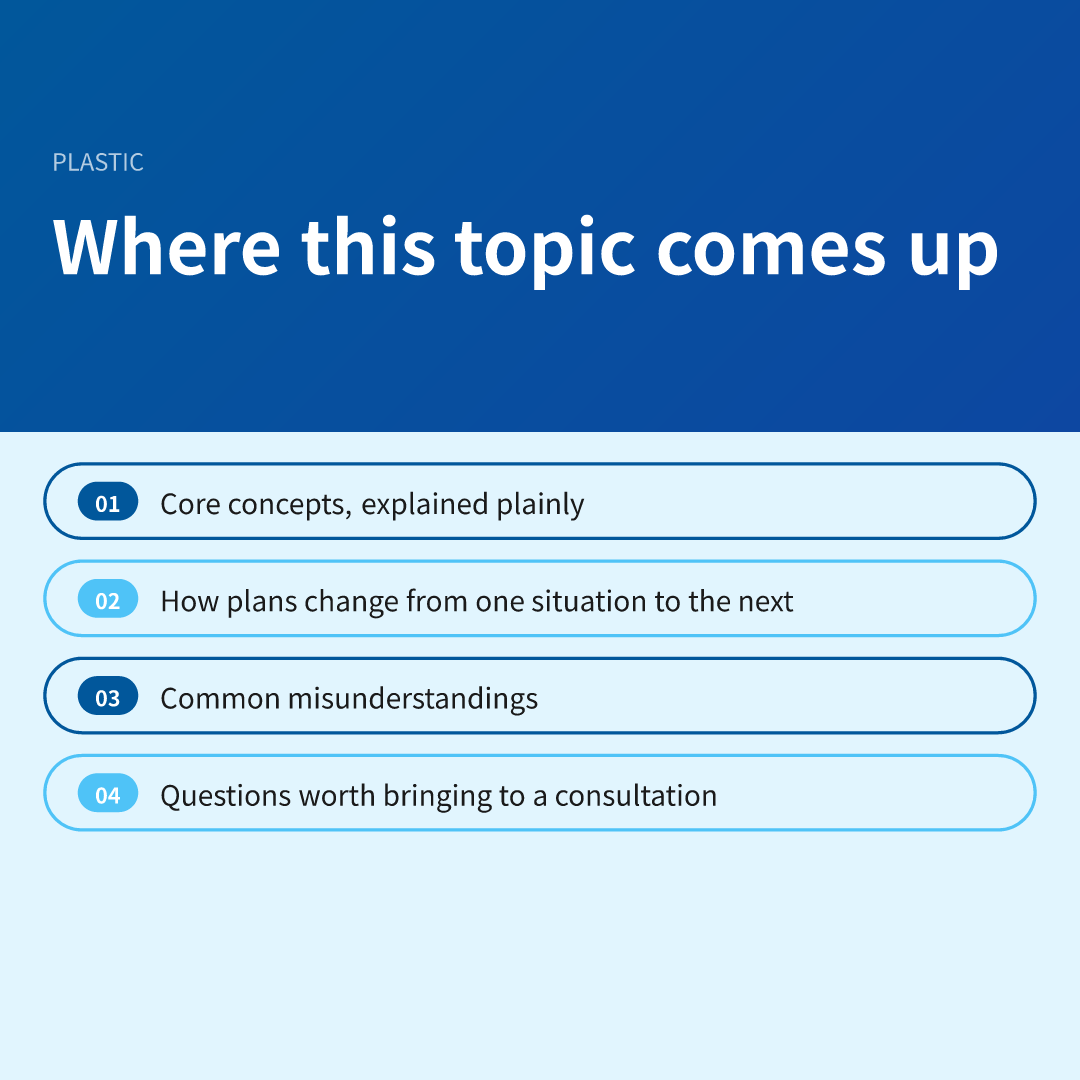
Core concepts, explained plainly
What "ethnic" means in this setting
In plastic surgery, the word usually signals that the surgeon is considering anatomy and aesthetic preferences common in a particular background, while still treating the individual as the starting point. It is not a medical diagnosis, and it does not mean every Asian nose is the same. Asia is vast, and nasal shapes differ widely within and between regions and families.
Features that are commonly discussed
Several traits come up often in consultations. None of them is a flaw by default, and many people are happy with their noses exactly as they are.
- Bridge height: Some people ask about a softer or more defined bridge. Surgeons may talk about augmentation using an implant or the person's own tissue, each with its own pros and cons.
- Tip shape and projection: A rounded or less projected tip is a frequent concern. Refining it often involves reshaping or supporting cartilage.
- Nostril and base width: Some people discuss narrowing the base, which involves different techniques from those used for the bridge.
- Skin thickness: Thicker skin can limit how sharply the underlying structure shows through, which affects what is realistic.
Implants versus the body's own tissue
One of the biggest planning topics is the material used to build up the bridge or support the tip. Options generally include synthetic implants and tissue taken from the person's own body, such as cartilage. Each approach has trade-offs involving look, feel, durability, healing, and the chance of needing a revision. A qualified surgeon can explain which options fit a given nose and why, and the choice is made together with the patient.
How plans change from one situation to the next
Go back to the two examples. For the woman who wants more bridge definition, the main discussion might center on how much height looks natural with her forehead, eyes, and lips. A bridge that is raised too much can look out of balance, so many surgeons stress proportion over dramatic change.
For the man with a wide base and thick tip skin, the conversation may be more about limits. Thick skin tends to hold swelling longer and may show less crisp definition even after a skilled operation. A responsible surgeon will usually talk through what is likely, what is uncertain, and what might be better left alone.
Age, health, and timing
Facial structure should be fully developed before elective nose surgery is considered, and overall health, medical history, and medications matter. Smoking, bleeding disorders, and certain conditions can affect healing and risk. These are things a licensed surgeon reviews individually; they are not something to decide from an article.
Breathing matters too
Some people have a cosmetic goal and a breathing concern at the same time, such as a deviated septum. Surgeons often consider function alongside appearance, because changing the structure of the nose can affect airflow. If breathing problems are part of the picture, mention them early in a consultation.
Recovery and what to expect
Swelling and bruising are commonly described after nose surgery, and the final shape typically settles gradually over a long period rather than right away. The surgeon provides specific aftercare instructions, and those should be followed rather than guessed from general reading. Surgery carries risks, including infection, bleeding, asymmetry, breathing changes, scarring, and dissatisfaction with the result. The American Society of Plastic Surgeons and the American Board of Plastic Surgery both publish general public information about choosing a qualified surgeon and understanding procedure risks.
Related reading: Semi Permanent Filler Options: What the Process Looks Like
Common misunderstandings

"The goal is to look Western"
This is one of the most persistent myths. Many patients and surgeons describe the aim as balance and harmony with the person's own face, not erasing heritage. A thoughtful consultation should feel like the surgeon is listening to your goals, not steering you toward a stereotype. If a plan feels like it ignores your identity, it is fair to ask questions or seek a second opinion.
"A photo of a celebrity is a realistic target"
Photos are shaped by lighting, angle, makeup, and editing. Bringing images can help a surgeon understand your taste, but a different face and different tissue will not copy another person's nose. Treat references as conversation starters rather than blueprints.
"Bigger change means better result"
Subtle changes often look more natural, and many surgeons caution against overdoing bridge height or tip projection. Overcorrection can be harder to fix than a modest first step. Revision surgery is usually more complex than a first operation, which is a good reason to plan carefully from the start.
"Any clinic can do it equally well"
Training and experience vary. It is reasonable to ask about a surgeon's board certification, how often they operate on noses like yours, and whether they can show consistent examples of their work. Be cautious about clinics that emphasize discounts or pressure you to decide quickly.
"Surgery is the only route"
Non-surgical options, such as injectable fillers used for contouring, are sometimes discussed as temporary alternatives. They come with their own risks, and the U.S. Food and Drug Administration has published general consumer safety information about dermal fillers, including that serious complications can occur. A licensed professional can explain whether such options suit a particular person at all.
Questions worth bringing to a consultation
Going in prepared tends to make the visit more useful. Consider asking the following in your own words.
- What do you see as realistic for my skin thickness and cartilage?
- Which materials do you recommend for my situation, and what are the downsides?
- How do you approach keeping features natural for my background?
- What are the main risks for me specifically, and how are complications handled?
- What would a revision involve if I am not satisfied?
It is also fine to take time. A good decision is rarely made in one visit, and a surgeon who respects that is usually a better sign than one who rushes you.
Wrapping up
Ethnic rhinoplasty for an Asian nose is best understood as individualized planning, not a template. The best conversations focus on proportion, realistic limits, and the person's own sense of identity.
- The plan depends on your anatomy, goals, and health, so outcomes differ between people.
- Subtle, balanced changes are commonly discussed, and every option has risks and trade-offs.
- Choosing a qualified, licensed surgeon and asking detailed questions matters more than copying a photo.
Consider speaking with a board-certified plastic surgeon if you are thinking about surgery, have breathing difficulties, have had a previous nose operation, or have a medical condition that could affect healing. Seek prompt medical care for severe pain, heavy bleeding, fever, or sudden changes in vision or breathing after any procedure.
Disclaimer: This article is for informational purposes only and is not a substitute for professional medical advice, diagnosis, or treatment. Please consult a licensed professional for personal health decisions.