Revision Breast Surgery Cost: What the Price Tag Leaves Out
Revision breast surgery cost is rarely a single number, and the lowest quote is sometimes the one that ends up costing the most. Picture someone who chose a bargain first procedure, then discovered months later that fixing it meant a second operation, new implants, and a surgeon who had to untangle someone else’s work. That scenario is not inevitable, and it is not meant to scare anyone. It simply shows why a fair comparison looks at the whole picture rather than the headline fee.
This guide walks through what tends to drive the price of a corrective breast procedure, which value factors are worth weighing against cost, and where people commonly find reasonable savings. Prices vary widely by country, clinic, and individual case, so no figure here should be treated as a quote. A licensed plastic surgeon can only estimate after examining you.
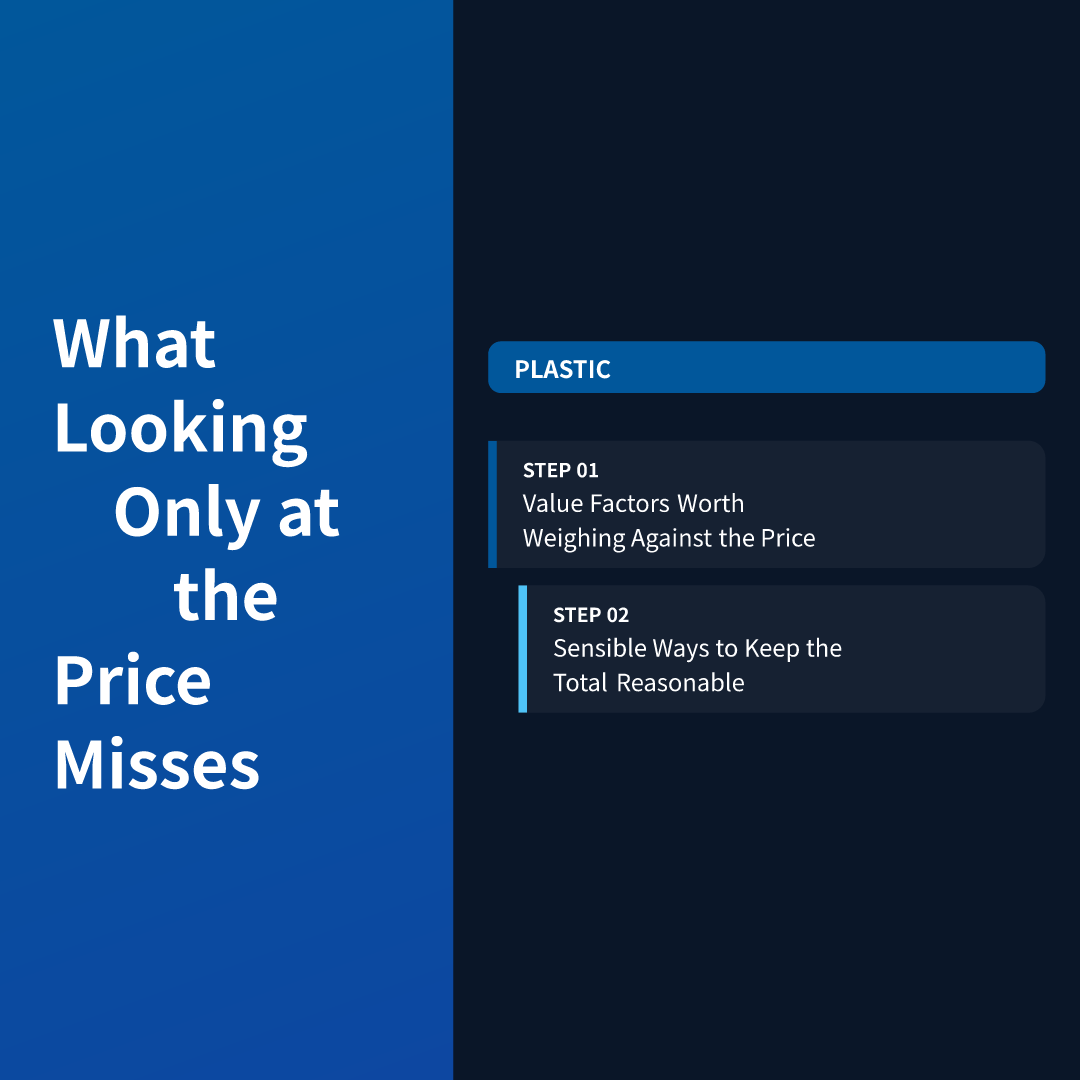
What Looking Only at the Price Misses
A revision is generally more complex than a first-time operation. Scar tissue, changed anatomy, and existing implants can all affect how long surgery takes and what techniques are needed. Because of that, two revisions that sound similar on paper can be priced very differently.
Why the same label can mean different work
“Revision” covers a broad range of situations. Some people need an implant exchange for size or comfort reasons. Others deal with implant position problems, capsular contracture, implant rupture, asymmetry, or changes after pregnancy or weight shifts. Each of these involves different steps, so a quote labeled simply “revision” may not describe the same operation another clinic is pricing.
The U.S. Food and Drug Administration notes that breast implants are not considered lifetime devices and that additional surgery may be needed over time. You can read its overview on the FDA breast implant risks and complications page. That is a useful reminder that a revision can be a normal part of the long-term picture rather than a sign that something went badly wrong.
Costs that often sit outside the main quote
A quoted surgical fee may or may not include everything else. When comparing, it helps to ask what is bundled and what is billed separately. Items that commonly appear as extras include:
- Facility fees for the operating room or surgical center
- Anesthesia fees, which are sometimes billed by a separate provider
- The implants themselves, including brand, type, and any warranty program
- Pre-operative imaging or consultations, such as ultrasound or MRI when implant condition needs to be assessed
- Pathology or tissue testing, if tissue is removed
- Compression garments, drains, and medications needed afterward
- Follow-up visits and whether they are included
Two quotes that differ by a wide margin may simply be counting different things. Asking for an itemized estimate in writing makes the comparison far more honest.
The cost of a second correction
Choosing on price alone can occasionally lead to a further operation, which adds fees, recovery time, and time away from work. Outcomes differ from person to person, and no surgeon can promise a particular result. Still, it is reasonable to treat the possibility of additional surgery as part of the cost conversation rather than ignoring it.
Value Factors Worth Weighing Against the Price

Price becomes more meaningful when set beside safety, durability, and what happens if something needs attention afterward. Here is how each one tends to connect to cost, using everyday situations rather than promises.
Surgeon training and revision experience
Imagine two people with similar concerns. One books with a surgeon who performs mostly first-time procedures at a low fixed fee. The other consults a board-certified plastic surgeon who regularly handles corrective cases and explains the plan in detail. The second quote may be higher, and that difference often reflects planning time, technical demands, and the surgeon’s familiarity with complicated anatomy.
The American Society of Plastic Surgeons offers guidance on choosing a surgeon, including checking board certification, through its find a surgeon resource. In many countries, national medical boards or professional societies provide similar lookup tools. Verifying credentials yourself is more reliable than relying on advertising.
Where the surgery takes place
An accredited facility with appropriate emergency equipment and trained anesthesia staff usually costs more to operate than a minimal setup. That expense often shows up in your bill. When a price looks unusually low, it is fair to ask where the procedure will be performed, who administers anesthesia, and what the plan is if a complication arises.
Implant quality and warranty terms
Implants differ in manufacturer, shell type, fill, and surface. Some manufacturers offer limited warranty or replacement programs, though terms vary and often come with conditions. A slightly higher implant cost may come with coverage that reduces expenses later, or it may not, so reading the actual terms matters more than assuming.
It is also worth asking whether the implants are approved for use in your country. Regulatory approval is one of the few objective markers available to patients, and a surgeon should be able to explain it plainly.
Aftercare and follow-up access
Here is a situation that comes up often: a patient has a question about swelling or asymmetry a few weeks after surgery, and the clinic that did the work is hard to reach. Follow-up access has real value, even though it is invisible on a price list. Before booking, ask how many follow-up visits are included, how to reach the team after hours, and what the policy is if a touch-up is needed.
Honest consultation versus sales pressure
A good consultation usually includes a discussion of risks, realistic expectations, alternatives, and the option of not operating at all. If a clinic pushes a deposit quickly or avoids talking about complications, that is worth noticing. Reasonable pricing and sound advice tend to go together.
Sensible Ways to Keep the Total Reasonable

Saving money on a revision is possible, but the goal is a lower total over time, not simply a lower first payment. These approaches are commonly discussed, and none of them involve cutting corners on safety.
Compare itemized estimates, not headlines
Request written, line-by-line estimates from at least two or three qualified surgeons. Put them side by side and check that each covers the same elements: surgeon fee, facility, anesthesia, implants, and follow-up. Once the scope is equal, price differences become much easier to interpret.
Ask whether revision is truly needed yet
Not every change requires surgery right away. Some concerns, such as mild asymmetry or minor changes over time, may be monitored, and a surgeon can tell you whether waiting is reasonable. Asking directly, “What happens if I wait?” can save money and sometimes spares an unnecessary operation.
Check what insurance may cover
Coverage for revision surgery varies by country, plan, and the reason for the procedure. Surgery performed for a medical complication may be treated differently from surgery done for appearance, and some plans have specific rules for implant-related issues. Contact your insurer before scheduling and ask what documentation they would need. If the original surgeon or clinic offers revision policies, ask for those terms in writing.
Look into the original provider’s revision policy
Some clinics have revision policies that reduce certain fees for corrective work within a defined window, though the conditions differ and many exclude some situations. It is a fair question to raise, and the answer will be specific to that provider.
Plan the timing and the payment
Scheduling in a quieter season, bundling procedures that make medical sense together, or using a payment plan can ease the financial load. Payment plans may carry interest or fees, so read the terms carefully. Avoid stretching into debt for a procedure that could reasonably be scheduled later.
Be wary of travel-based bargains
Going abroad for surgery is sometimes presented as a major saving. It can add costs for travel, accommodation, and time off, and it can complicate follow-up if something needs attention once you are home. Some people weigh these trade-offs and decide it works for them, while others prefer local care for continuity. A conversation with a local surgeon about how they would handle complications from procedures done elsewhere can be informative.
Frequently Asked Questions
Why is a revision often priced higher than the first surgery?
Revisions can involve scar tissue, altered anatomy, and the need to remove or replace existing implants, which may extend operating time and require more advanced technique. That said, pricing differs between surgeons and regions, and some revisions are simpler than expected. Only an in-person evaluation can indicate what your case involves.
Does insurance ever help with revision breast surgery?
Sometimes, depending on the plan, the country, and whether the revision is linked to a medical issue rather than a cosmetic preference. Rules and required documentation differ, so it is best to ask your insurer directly and keep records of any consultation notes. Do not assume coverage until it is confirmed in writing.
Is the cheapest quote a warning sign?
Not automatically, since some qualified providers simply have lower overhead. It becomes worth a closer look when the quote is far below others and the explanation is vague. Asking what is included, who performs the surgery, and where it takes place usually clarifies the difference.
What should I check when I see a discount or promotional offer?
Promotions are not inherently a problem, but they deserve the same scrutiny as any other quote. When you see a discount, confirm these points before committing:
- Whether the discounted price still includes the surgeon, facility, anesthesia, and implants, or only part of them
- Whether the surgeon who will actually operate is named and verifiable through a professional board or society
- What the deadline is, and whether you are being asked for a deposit before a full consultation
- What the refund and cancellation terms are if you change your mind or are advised against surgery
- Whether follow-up care and any touch-up policy are written into the offer
A genuine offer should still leave you time to think, ask questions, and compare. If a discount depends on deciding quickly, it is reasonable to step back and let the offer lapse. For revision breast surgery cost in particular, a solid plan and a qualified surgeon usually matter more than any limited-time price reduction.
Disclaimer: This article is for informational purposes only and is not a substitute for professional medical advice, diagnosis, or treatment. Please consult a licensed professional for personal health decisions.
Related reading: Breast Augmentation Surgery Cost: The Price on the Quote vs. What You Actually Pay