Filler for Under Eye Bags Explained by a Skincare Editor
Filler for under eye bags typically refers to injectable hyaluronic acid products used to address hollowing or shadowing beneath the eyes, though true “bags” caused by fat protrusion or loose skin may not respond well to fillers alone. This cosmetic procedure is performed by licensed professionals and carries specific risks including bruising, swelling, and rare vascular complications.
Why Under Eye Filler Decisions Matter

The under-eye area has delicate skin and complex vascular anatomy, making it a higher-risk zone for injectables. Many seek fillers hoping to reduce puffiness, but fillers primarily address volume loss and hollowing—not excess tissue. Choosing a qualified injector and realistic expectations significantly affect both safety and outcome.
How Under Eye Fillers Work
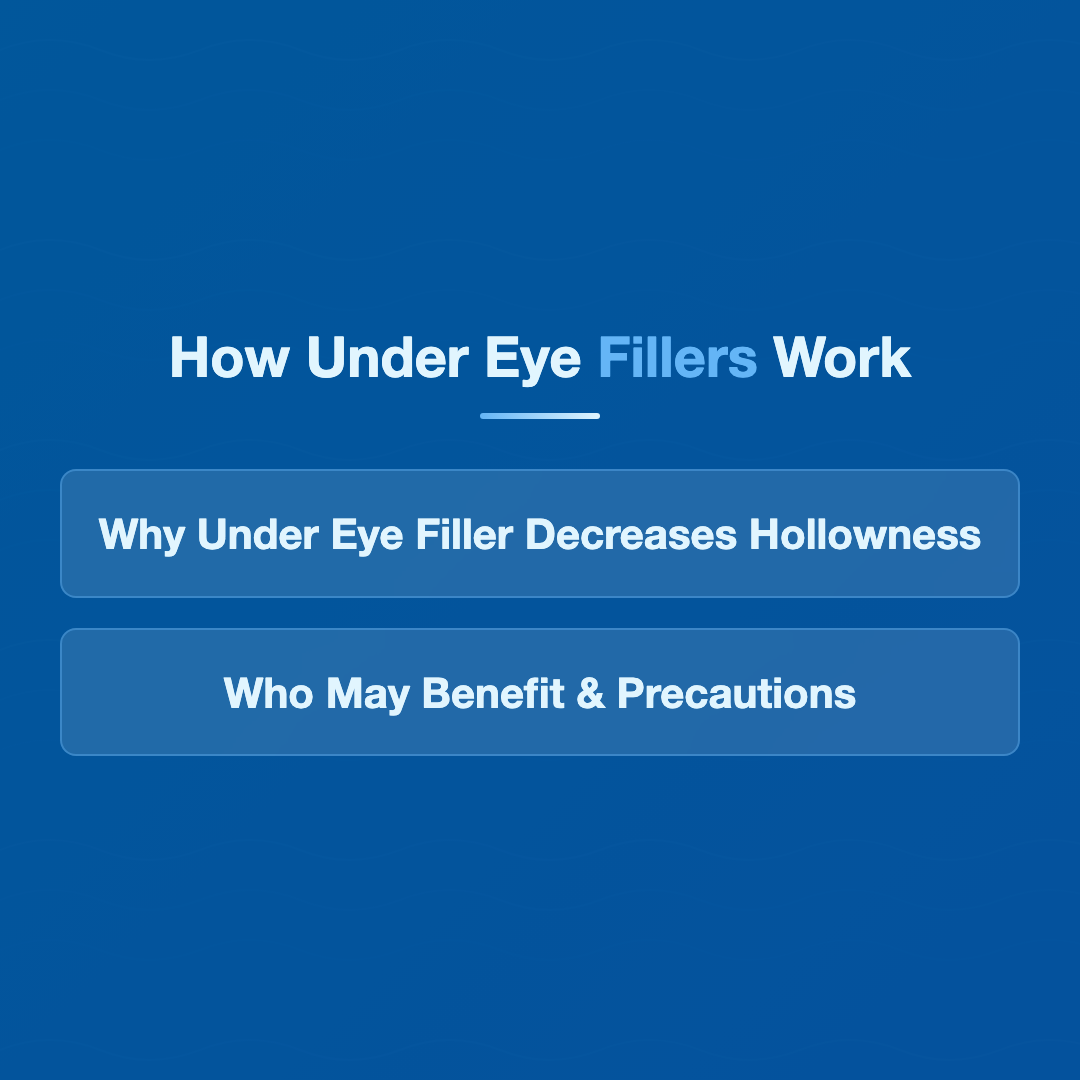
Hyaluronic acid fillers add volume to the tear trough area, the groove between the lower eyelid and cheek. By filling this depression, treatment reduces shadowing that makes bags appear more prominent. Results typically last six to twelve months. Proper placement is critical—too superficial injection can cause visible lumps or a bluish tint called the Tyndall effect.
Who May Benefit and Who Should Avoid
Individuals with tear trough hollowing, dark circles from shadowing, or mild volume loss may see improvement. Fillers work best when bags result from bone structure creating hollows, not actual puffiness. People with significant fat protrusion, very thin skin, active infections, or certain autoimmune conditions may not be suitable candidates.
Risks and Limitations
Common side effects include bruising, swelling, and tenderness, usually resolving within one to two weeks. Rare but serious risks include vascular occlusion (blocked blood vessel), which can lead to tissue damage or vision loss. Overfilling can worsen bags. Fillers do not tighten loose skin or remove true fat pockets—surgical options like blepharoplasty may be more appropriate.
Common Misconceptions About Under Eye Fillers
Misconception 1: Fillers eliminate puffy bags. Reality: Fillers add volume to hollows but do not reduce excess fat or fluid.
Misconception 2: Results are permanent. Reality: Hyaluronic acid fillers typically last six to twelve months.
Misconception 3: Under eye filler is risk-free. Reality: Serious complications, though rare, include vascular occlusion requiring immediate intervention.
Frequently Asked Questions
How long does under eye filler last?
Results typically last six to twelve months. Maintenance treatments are usually needed once or twice yearly.
Can filler make under eye bags worse?
Yes, if too much filler is used, placed incorrectly, or if true fat bags exist rather than hollowing.
When should I seek emergency care after filler?
Seek immediate attention for sudden severe pain, vision changes, blanching, dusky skin color, or extreme swelling—signs of vascular occlusion.
Conclusion and Next Steps
Filler for under eye bags can improve hollowing and shadowing when used appropriately, but it is not suitable for all under-eye concerns. Understanding the difference between volume loss and true puffiness, choosing a qualified injector, and maintaining realistic expectations are critical for safe outcomes. Schedule a consultation with a board-certified professional to assess your anatomy and determine whether filler is right for your specific concerns.
Disclaimer: This article is for informational purposes only and is not a substitute for professional medical advice, diagnosis, or treatment. Please consult a licensed professional for personal health decisions.
📚 References
The official and high-authority sources below can help readers verify the context safely.