Hair Restoration Surgery for Women: What to Know First
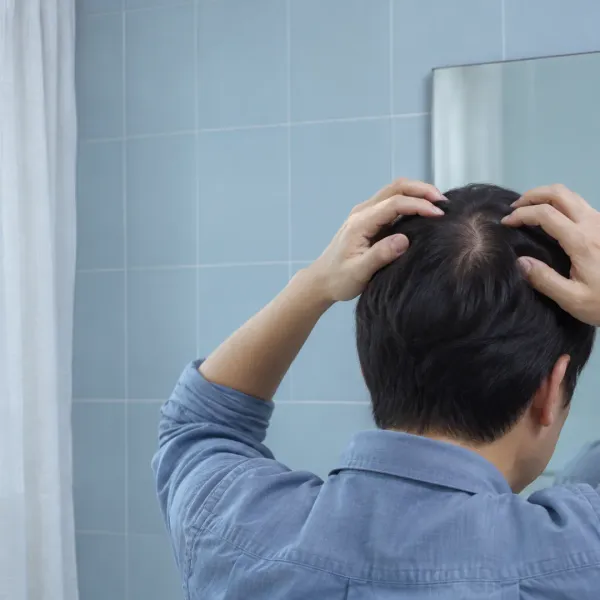
Maybe the part in the mirror looks wider than it did a few years ago, or a ponytail feels thinner than it used to, and now a late-night search has led to clinic websites with confident promises. Hair restoration surgery for women can be an option for some people, but it depends heavily on the cause of the hair loss, the donor hair available, and realistic expectations, so a proper evaluation comes before any decision.
Female hair loss is often different from the pattern many people picture in men, and that difference shapes everything that follows. The sections below walk through the basics first, then the harder questions about who is a good fit and what can go wrong.
What does hair restoration surgery for women actually involve?

In general terms, it means moving hair follicles from one part of the scalp to an area with thinning or loss. The follicles usually come from a "donor" area, often toward the back or sides of the head, where hair tends to be more resistant to the processes that cause thinning. The American Academy of Dermatology describes hair transplantation in broadly this way, as a surgical procedure performed by a trained professional.
Two techniques come up most often. In one, a thin strip of scalp is removed and divided into small grafts. In the other, individual follicular units are taken one at a time and placed in the thinning area. Which method suits a person depends on hair type, the size of the area, and what the surgeon finds on examination.
What happens around the procedure
Most clinics begin with a consultation that includes a scalp exam and a review of medical history. Procedures are typically done with local anesthesia, and the details of any medication, aftercare, and activity limits come from the treating clinic. Instructions on products and timing should come from the surgeon or a pharmacist, not from general articles.
Transplanted hair often sheds in the weeks after the procedure, and new growth tends to appear gradually over many months. That slow timeline surprises many people. It is also why before-and-after photos in marketing deserve some skepticism, since results vary from person to person.
Why women's hair loss is different
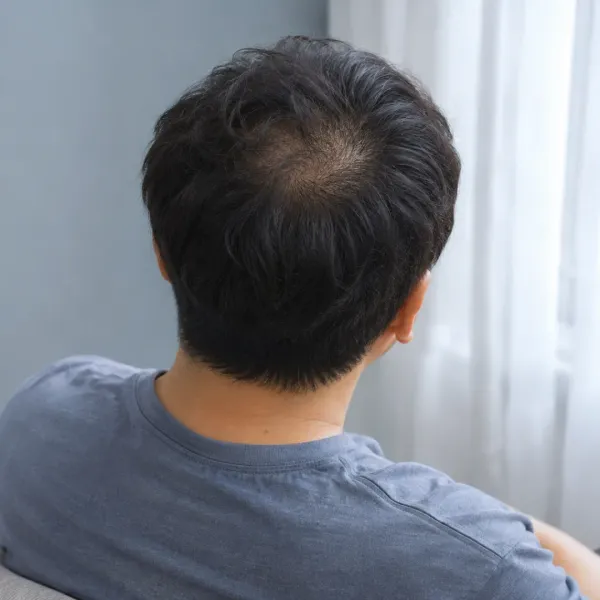
Female pattern hair loss often shows up as diffuse thinning across the top of the scalp, with the frontal hairline preserved. Diffuse thinning can make it harder to find a donor area that is truly stable. According to the American Academy of Dermatology, hair loss in women can have many causes, which is one reason a diagnosis matters.
Other causes include hormonal shifts, thyroid problems, nutritional deficiencies, certain medications, stress-related shedding, autoimmune conditions, and styling practices that pull on the hair. Some of these can be addressed without surgery, and some make surgery a poor idea until the underlying problem is managed.
Who may be a candidate, and who may be better off waiting?
Candidates are generally people whose hair loss is stable enough to judge, who have healthy donor hair, and who have a clear diagnosis. Women with localized loss, such as thinning from traction, scarring after an injury or surgery, or a receding frontal hairline, are sometimes considered better matches than those with widespread diffuse thinning. A dermatologist or a surgeon who focuses on hair can tell you where you fall.
Evidence on outcomes in women is more limited than for men, and the National Institutes of Health and similar agencies generally frame hair loss care as depending on an accurate diagnosis first. That does not mean surgery never works for women. It means the decision deserves more caution, not less.
Situations that often call for a pause
Some circumstances commonly lead clinicians to recommend waiting or exploring other steps first:
- Hair loss that started recently or is still changing quickly, since the pattern may not be settled.
- Active scalp conditions or inflammatory forms of hair loss, which may need treatment before any procedure is considered.
- Limited donor hair compared with the area to be covered.
- Unaddressed thyroid, iron, or hormonal concerns that a medical evaluation might uncover.
Other health factors matter too. Bleeding disorders, certain skin conditions, pregnancy, and a tendency toward abnormal scarring can all affect whether surgery is reasonable. Anyone with these concerns should raise them at the first consultation.
Non-surgical options people often discuss first
Many women explore other approaches before or alongside surgery. Topical and oral treatments, light-based devices, and procedures performed in a medical office all come up in conversation. Whether any of these suits you, and how they interact with other medicines or conditions, is a question for a dermatologist or pharmacist, and this article cannot answer it.
Cosmetic choices such as hair fibers, volumizing products, and different cuts can also change how thin hair looks without any procedure. They do not affect the underlying cause, but some people find them a comfortable bridge while they sort out a diagnosis.
What are the risks, limits, and questions to ask before deciding?
Like any surgery, hair transplantation carries risks, and reactions vary from person to person. Commonly discussed issues include swelling, soreness, numbness, itching, temporary shedding of the transplanted hair, and infection. Scarring in the donor or recipient area can occur, and some people are unhappy with density or the way the hair looks as it grows in.
A less obvious limit is that surgery does not stop ongoing hair loss in the surrounding native hair. If thinning continues around the transplanted area, the overall look can change over time, and further procedures or ongoing medical management may be discussed. That possibility is worth raising before you commit.
Warning signs after a procedure
Contact the treating clinic promptly, or seek urgent care if symptoms are severe, for signs such as spreading redness, increasing pain, pus, fever, or heavy bleeding. These can point to infection or other complications. Clinics typically give written aftercare guidance, and it is best to follow what your own surgeon tells you.
Choosing a provider carefully
Credentials and transparency matter more than glossy marketing. Reasonable questions to bring to a consultation include:
- Who will actually perform the procedure, and what is their training in hair restoration?
- What is my diagnosis, and how was it reached?
- Why is surgery suggested for me specifically, and what are the alternatives?
- What are the realistic limits of the outcome given my donor hair?
- What are the risks, what does follow-up look like, and who handles complications?
- What is the full cost, including any additional sessions?
Be cautious about any provider who promises specific results, pressures you to book quickly, or skips a medical history. The Federal Trade Commission has long warned consumers about unsubstantiated claims in health and beauty marketing, which is a useful reminder when ads sound too certain.
Getting a second opinion is common and reasonable. A dermatologist can evaluate the cause of hair loss separately from a surgical practice, which may help you compare advice without sales pressure.
Whether a prescription medicine or a specific dose is right for you is a decision to make with a doctor or pharmacist.
Frequently asked questions
Can women with widespread thinning have a transplant?
If the thinning is diffuse across the scalp, it can be harder because stable donor hair may be limited, as noted above. Some surgeons may still consider it after a full evaluation, while others may advise other approaches first. A specialist can judge this after examining your scalp.
Will the transplanted hair grow in right away?
No, new growth is generally gradual. Transplanted hair often sheds in the weeks after the procedure, and visible growth tends to appear over many months. Timelines differ between people, so your surgeon is the best source for what to expect.
Should I get a medical checkup before considering surgery?
If the cause of your hair loss has not been diagnosed, a medical evaluation is a sensible first step. Thyroid issues, nutritional gaps, hormonal changes, and medications can all contribute to thinning, and some may be addressed without surgery. A dermatologist or primary care clinician can help sort this out.
Disclaimer: This article is for informational purposes only and is not a substitute for professional medical advice, diagnosis, or treatment. Please consult a licensed professional for personal health decisions.
Related reading: Best Vitamins for Hair Loss Prevention: Match the Cause First