How Long Does Root Canal Take to Fully Recover?
The honest answer most people are looking for is this: the appointment itself usually takes somewhere between 30 minutes and two hours depending on the tooth, but getting back to normal daily activities is usually much faster than people expect. Many patients return to work or light routines the same day or the next morning, while full comfort in the treated area can take longer and varies quite a bit from person to person. Below, we’ll walk through when different activities are typically safe to resume, why the timing works that way, and what exceptions might mean you should slow down.
Root canal treatment, sometimes called endodontic treatment, is done to clean out infected or inflamed tissue inside a tooth and seal it to prevent further problems. Because the procedure itself is fairly targeted, recovery tends to be more about local tenderness and swelling management than a long, whole-body healing process. Still, individual factors like the tooth’s location, how inflamed it was beforehand, and each person’s healing pace all play a role.
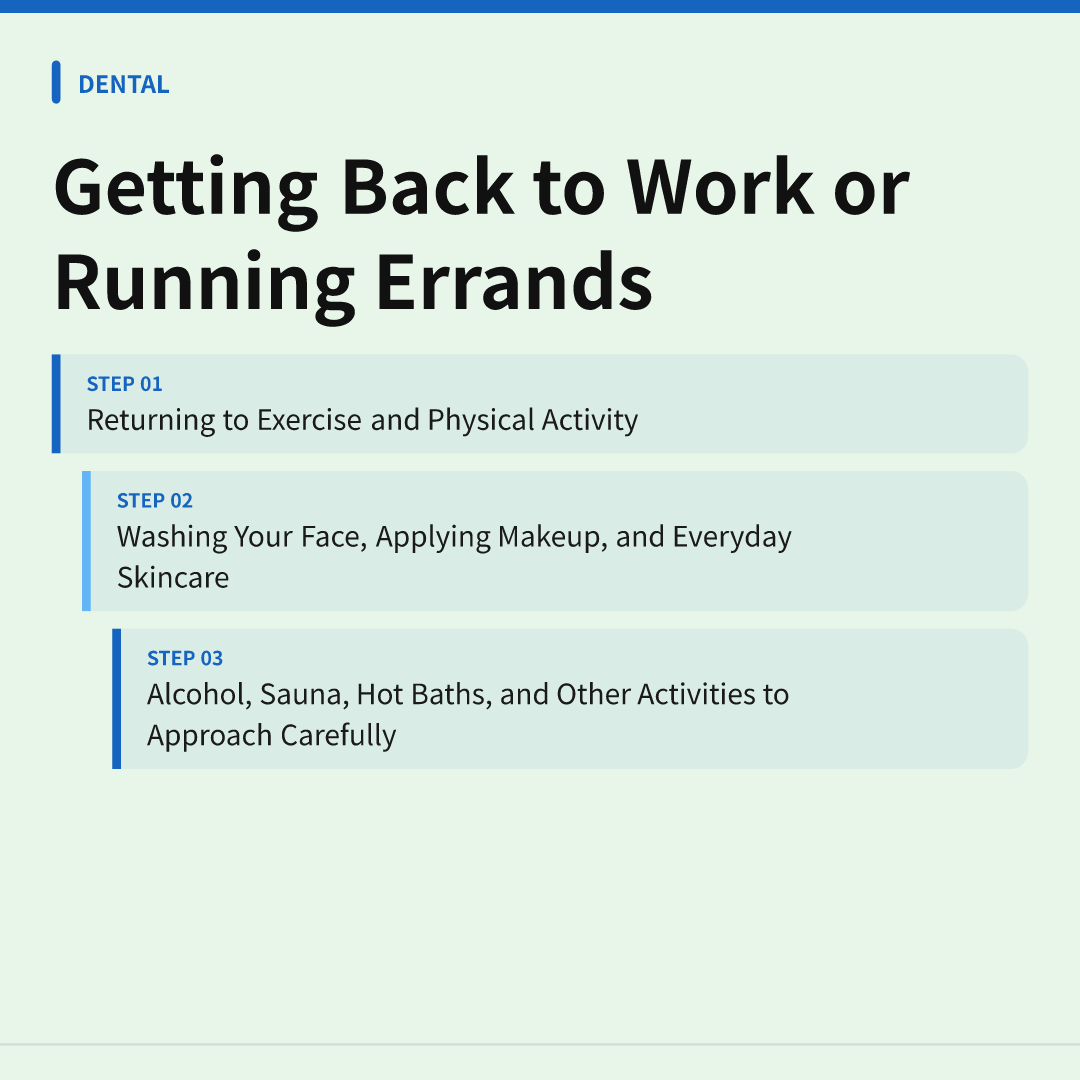
Getting Back to Work or Running Errands
Typical timing: Most people can return to work, school, or errands the same day, especially if the procedure was done with local anesthesia rather than sedation.
Why: Local anesthesia used in most root canal treatment appointments wears off within a few hours, and the treatment doesn’t involve major tissue removal outside the tooth itself, so there’s no wide surgical wound needing rest.
Exceptions: If sedation or general anesthesia was used, plan on having someone drive you home and taking the rest of the day off, since judgment and reflexes can be affected for several hours. People with molars that required a longer or more complicated appointment sometimes feel more jaw fatigue and prefer a lighter workload the next day.
Returning to Exercise and Physical Activity
Typical timing: Light activity is often fine within a day, but many dentists suggest holding off on intense workouts for a day or two after the appointment.
Why: Vigorous exercise raises blood pressure and heart rate, which can increase throbbing or discomfort in the treated tooth and surrounding gum tissue while it’s still settling down. Some people also notice more swelling if they push into heavy exertion too soon.
Exceptions: A short, easy walk usually isn’t a problem for most people. If a temporary filling or crown was placed, avoiding activities where facial trauma is possible—contact sports, for example—makes sense until a permanent restoration is in place. If a tooth still feels tender to biting pressure after a few days of normal activity, that’s worth mentioning to your dentist rather than pushing through it.
what to expect during a root canal procedure
Washing Your Face, Applying Makeup, and Everyday Skincare
Typical timing: Face washing and most skincare routines can usually continue as normal right away, since root canal treatment doesn’t involve any incision on the face or skin.
Why: The entire procedure takes place inside the tooth and surrounding gum area, so there’s no external wound to protect. The main thing to be mindful of is numbness from local anesthesia, which can make it easy to bite your cheek or lip without noticing, or to apply pressure to a numb area without realizing it.
Exceptions: If your jaw or cheek feels swollen or sore to the touch on the outside, gentle handling in that area and skipping any facial massage or firm skincare tools for a day or two is a reasonable precaution. People who notice unusual swelling that doesn’t improve after a couple of days should check in with their dentist rather than waiting it out.
Alcohol, Sauna, Hot Baths, and Other Activities to Approach Carefully
Typical timing: Many dentists advise waiting at least a day, sometimes longer, before alcohol, sauna sessions, hot baths, or other activities that raise body temperature or blood flow to the head and face.
Why: Heat and increased circulation can intensify throbbing, swelling, or bleeding in the treated area while it’s still healing. Alcohol can also interact with any pain relief approach your dentist has recommended, and it may mask early warning signs of a problem, like increasing pain or swelling that would otherwise prompt a call to the dentist.
Exceptions: If numbness is still present, eating or drinking anything, including alcohol, should wait until sensation fully returns to avoid burns or biting injuries. According to the American Association of Endodontists, most discomfort after treatment is mild and manageable, but anyone with symptoms that feel more intense than expected should reach out to their provider rather than self-managing with over-the-counter products alone.
What About Eating and Drinking?
Soft, cool-to-room-temperature foods tend to be more comfortable in the first day or so, particularly on the side that was treated. Chewing on the opposite side until a temporary or permanent restoration feels fully settled is a common, sensible habit many patients adopt without being told to.
Frequently Asked Questions
How long does root canal take if more than one visit is needed?
Some teeth, especially molars with multiple canals or existing infection, are treated over two or more appointments spaced a week or so apart. In these cases, a temporary filling protects the tooth between visits, and normal activity resumption still generally follows the same pattern as described above after each appointment.
Is it normal to feel some soreness for several days afterward?
Mild soreness or sensitivity to pressure for a few days is commonly reported and generally considered part of typical healing, since the tissue around the tooth root was disturbed during treatment. What varies by individual is how quickly that soreness fades—some people feel back to normal within a couple of days, others take closer to a week.
When should recovery be considered slower than expected?
If swelling increases rather than gradually improving, if pain worsens after the first two or three days instead of easing, or if you notice fever, a bad taste, or pus near the treated tooth, these are signs that fall outside typical healing and are worth a prompt call to your dentist or endodontist. can help you understand what to watch for, but a professional evaluation is the only reliable way to know what’s actually happening.
Does the type of tooth affect how long does root canal take to feel normal again?
Yes, to some extent. Front teeth with a single canal are often quicker to treat and tend to feel settled sooner, while molars with multiple canals can involve more manipulation and sometimes a longer adjustment period before biting feels completely comfortable. root canal versus tooth extraction goes into more detail on how tooth type and condition can shape both the procedure and the recovery timeline.
If your own recovery timeline doesn’t match what’s described here—activities you expected to resume within a day or two still feel uncomfortable, or new symptoms show up instead of things gradually improving—that’s the point to stop guessing and check in with the dentist who performed your treatment. Individual healing varies, and a quick follow-up is far more useful than waiting to see if things sort themselves out.
Disclaimer: This article is for informational purposes only and is not a substitute for professional medical advice, diagnosis, or treatment. Please consult a licensed professional for personal health decisions.