How Much Does Botox Cost and What Affects the Price
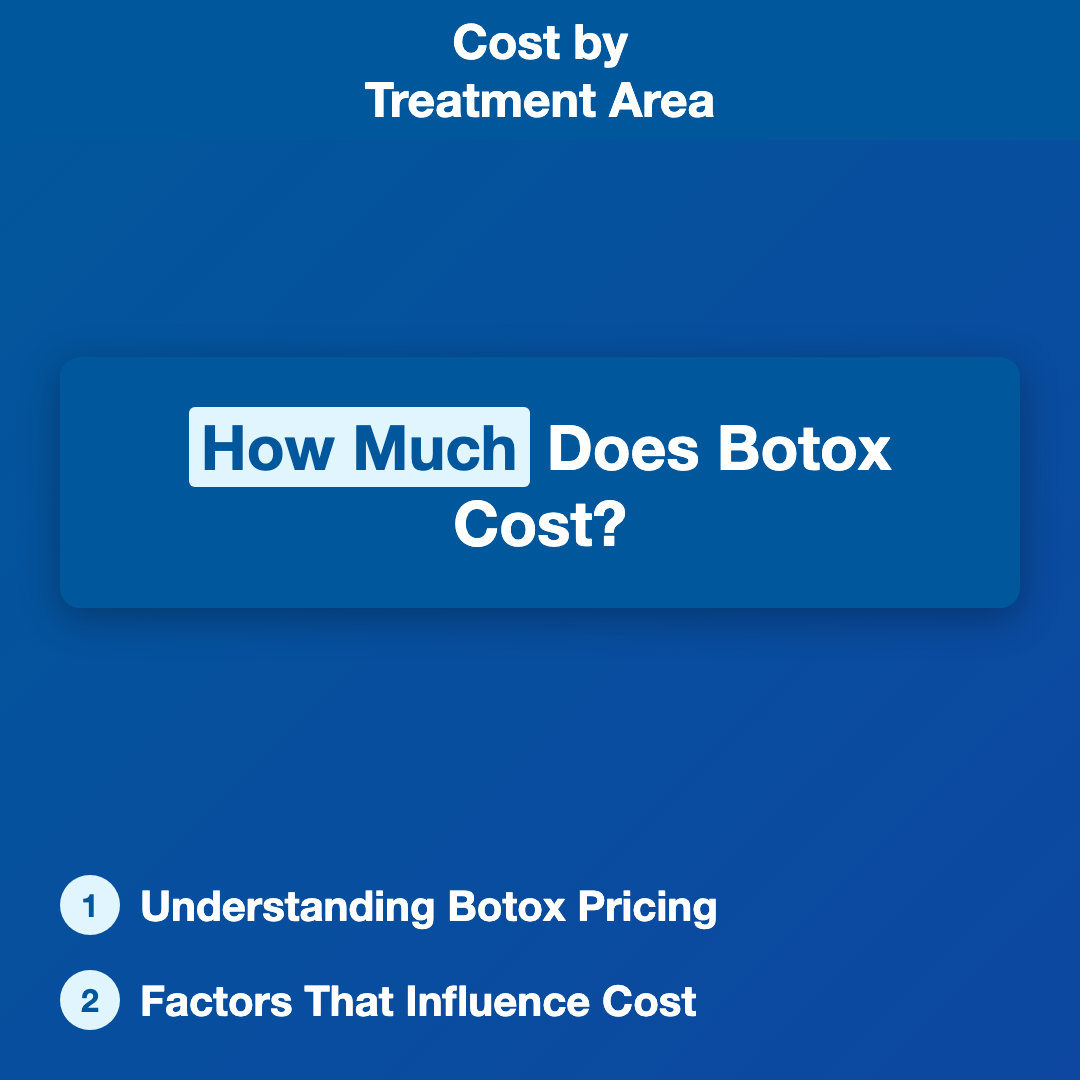
If you’re considering Botox, one of the first questions on your mind is likely about cost. Botox pricing varies widely depending on location, provider, and treatment area, but understanding the typical range and what influences the final bill helps you plan realistically. Most providers charge either by the unit or by the treatment area, and the total cost can range from around $200 to over $1,000 per session depending on how many areas you treat.
Botox is measured in units, and different facial areas require different amounts. Forehead lines might need 10–30 units, crow’s feet around 5–15 units per side, and frown lines between the brows typically 20–25 units. The average cost per unit in the United States generally falls between $10 and $20, though this can be higher in major metropolitan areas or with highly experienced injectors.
Understanding Botox Pricing Models
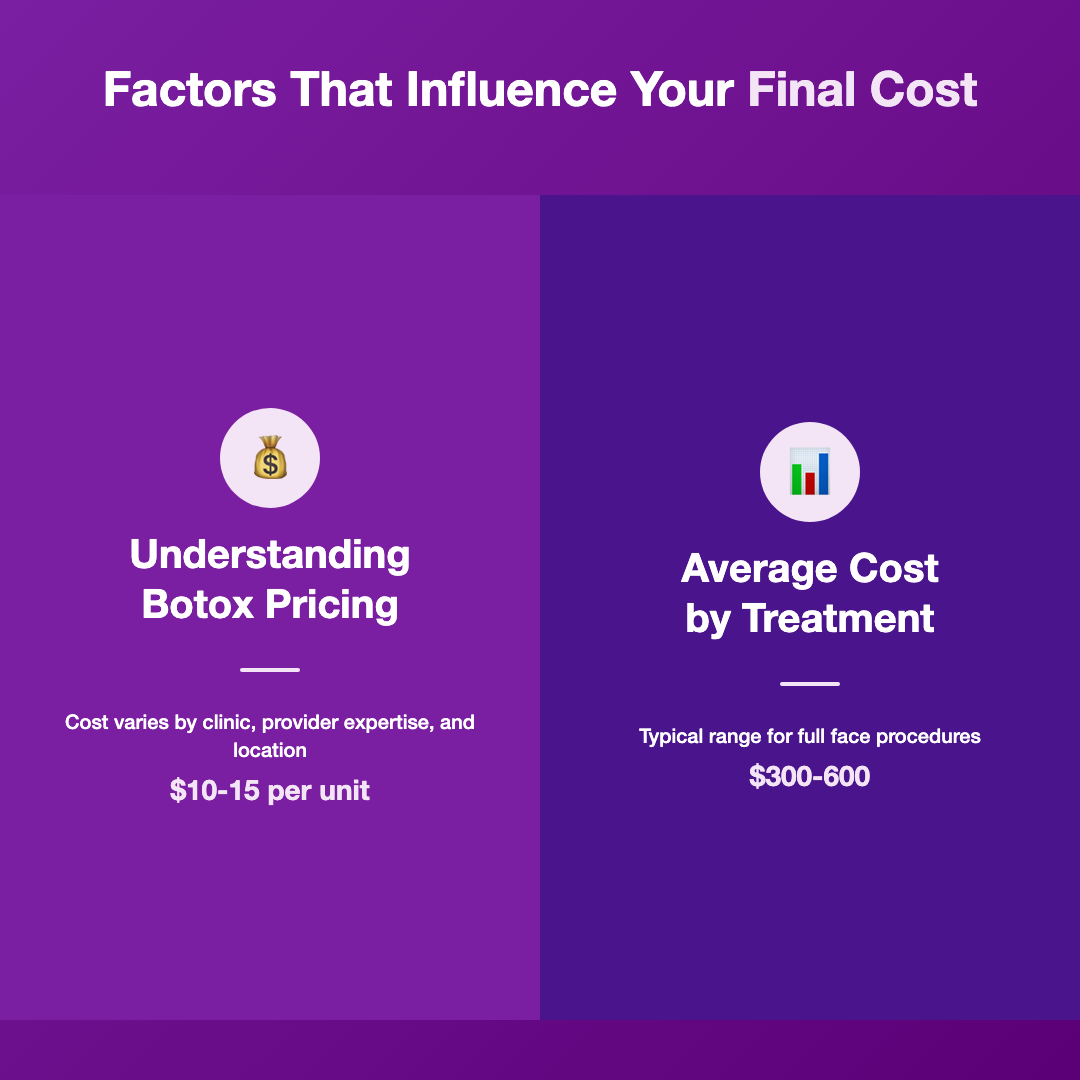
Providers typically use one of two pricing structures: per-unit pricing or flat-rate pricing by area. Per-unit pricing is more transparent because you know exactly how many units you’re receiving and can calculate the total cost before treatment. This model is common at dermatology practices and medical spas that prioritize customization.
Flat-rate pricing charges a set fee per treatment area regardless of units used. For example, a clinic might charge $350 for forehead lines or $300 for crow’s feet. This can be convenient if you prefer predictable costs, but it may be less economical if you need fewer units than average. Always ask how many units are typically included in a flat rate to compare value.
Some practices offer package deals or membership programs that reduce the per-unit cost if you commit to regular treatments or multiple areas at once. These can offer savings of 10–20% but require upfront payment or enrollment fees. Calculate whether the discount justifies the commitment based on your treatment frequency.
Average Cost by Treatment Area
The most commonly treated areas have fairly predictable unit requirements, which helps estimate costs. Forehead horizontal lines typically need 10–30 units depending on muscle strength and line depth. At $12 per unit, this translates to $120–$360 for the forehead alone.
Crow’s feet, the lines radiating from the outer corners of the eyes, usually require 5–15 units per side, totaling 10–30 units for both eyes. This area often costs $120–$360 as well. Frown lines between the eyebrows, also called the glabella, are one of the most treated areas and typically need 20–25 units, costing $240–$500.
If you treat multiple areas in one session, the total can add up quickly. A “full upper face” treatment covering forehead, frown lines, and crow’s feet might use 40–70 units, resulting in a total cost of $480–$1,400 depending on your provider’s rate and your individual anatomy.
Less common treatment areas include bunny lines on the nose (5–10 units), lip flip (4–6 units), chin dimpling (2–6 units), and jawline slimming (25–50 units per side). These specialized treatments require experienced injectors and may carry premium pricing.
Factors That Influence Your Final Cost
Geographic location significantly affects Botox pricing. Major cities like New York, Los Angeles, and San Francisco tend to have higher per-unit costs, often $15–$25, due to higher overhead and cost of living. Suburban and rural areas typically offer lower rates, sometimes $8–$12 per unit, though provider availability may be more limited.
Provider credentials and experience also impact cost. Board-certified dermatologists and plastic surgeons often charge more than nurse injectors or physician assistants, but their training and experience may reduce the risk of complications and improve aesthetic outcomes. Paying more for an experienced injector can be worthwhile, especially for first-time patients or complex treatment areas.
The brand of neurotoxin matters too. While “Botox” is the most recognized brand name, alternatives like Dysport, Xeomin, and Jeuveau work similarly but may be priced differently. Dysport typically costs less per unit but requires more units to achieve the same effect, so compare total treatment costs rather than just per-unit prices.
Clinic type affects pricing as well. Medical spas and cosmetic clinics may offer lower prices than hospital-based dermatology practices due to different overhead structures. However, lower prices don’t always mean lower quality—evaluate the injector’s credentials and patient reviews rather than price alone.
Insurance Coverage and Payment Options
Botox for cosmetic purposes is not covered by health insurance. However, when used for medical conditions like chronic migraines, excessive sweating (hyperhidrosis), muscle spasms, or overactive bladder, insurance may cover part or all of the cost. Medical necessity must be documented by a physician, and prior authorization is usually required.
Even without insurance, some payment options can help manage costs. Health Savings Accounts (HSAs) and Flexible Spending Accounts (FSAs) can sometimes be used for cosmetic Botox, though policies vary by plan. Check with your account administrator before assuming eligibility.
Many clinics offer financing through third-party services like CareCredit, Cherry, or Alphaeon Credit, which provide payment plans with monthly installments. Interest rates and terms vary, so read the fine print carefully. Some practices also offer in-house payment plans or loyalty programs that reward repeat visits with discounts or points.
Manufacturer rebate programs occasionally offer savings. Allergan, the maker of Botox, has run programs like Allē Rewards (formerly Brilliant Distinctions) that allow patients to earn points toward future treatments. Signing up before your appointment can yield modest savings, though terms and availability change periodically.
Cost Versus Longevity and Value
Botox results typically last three to four months, though individual variation is common. First-time users sometimes see shorter duration, around two to three months, while long-term users may maintain results for four to six months as muscles become trained to relax. This means most people need treatments three to four times per year.
To calculate annual cost, multiply your per-session expense by your treatment frequency. If a forehead treatment costs $300 and lasts three months, you’ll spend approximately $1,200 per year. For multiple areas costing $700 per session, annual costs could reach $2,800 or more.
Some patients find that starting Botox earlier as a preventive measure reduces the number of units needed over time, potentially lowering long-term costs. Younger patients with less established wrinkles may need fewer units and less frequent treatments than those beginning Botox later with deeper lines. However, this preventive approach means starting—and maintaining—treatments earlier in life.
Comparing Botox to alternatives helps assess value. Topical retinoids and skincare products cost less upfront but don’t deliver the same dramatic smoothing effect. Dermal fillers address volume loss rather than muscle-related wrinkles and typically last longer (6–18 months) but cost more per syringe ($600–$1,200). Surgical options like brow lifts provide longer-lasting results but involve significantly higher costs, downtime, and risk.
How to Find Fair Pricing and Avoid Scams
Unusually low Botox prices—such as $5 per unit or “Botox parties” offering steep discounts—should raise red flags. These may involve diluted product, unlicensed injectors, counterfeit neurotoxins, or unsafe injection practices. Botox is a prescription medication that must be administered by licensed medical professionals in appropriate clinical settings.
To find reputable providers, verify credentials through state medical boards or professional organizations like the American Society for Dermatologic Surgery or the American Society of Plastic Surgeons. Read patient reviews, but be aware that online testimonials can be curated. Ask about the injector’s training, how long they’ve been performing Botox treatments, and how they handle complications.
During consultation, a trustworthy provider will assess your facial anatomy, discuss realistic expectations, explain how many units you’ll likely need, and provide a clear cost estimate. Be wary of anyone who pressures you to treat more areas than you want or guarantees specific results, as individual responses vary.
Ask whether the quoted price includes follow-up appointments. Most reputable practices offer a two-week follow-up to assess results and provide touch-ups if needed, usually at no additional charge if the original treatment was insufficient. Clarify this policy before your first injection.
Regional Price Variations Across the United States
Botox costs vary significantly by region. In the Northeast, particularly New York City and Boston, per-unit prices often range from $14 to $25. The West Coast, including Los Angeles and San Francisco, shows similar pricing due to high demand and cost of living. These areas also have high concentrations of experienced injectors, which can justify premium pricing.
The Midwest and South typically offer more moderate pricing, with per-unit costs ranging from $10 to $15. Cities like Chicago, Dallas, and Atlanta have competitive markets with numerous providers, which can drive prices down while maintaining quality. Smaller cities and rural areas may have fewer options but often feature lower overhead costs that translate to savings for patients.
International pricing varies even more widely. Some patients consider “medical tourism” for cosmetic treatments, but this carries risks including lack of follow-up care, unknown product quality, and limited legal recourse if complications arise. Traveling for Botox is generally not cost-effective when factoring in travel expenses and potential risks.
Common Questions About Botox Costs
Why do some places charge by area instead of by unit?
Area-based pricing simplifies the transaction and can be easier for patients to understand. It also protects providers if a patient needs more units than average. However, it may be less economical for patients who need fewer units. Ask how many units are typically used for each area to compare value across providers.
Can I negotiate Botox prices?
While direct negotiation is uncommon, many practices offer promotions, first-time patient discounts, or package deals. Signing up for email lists or following clinics on social media can alert you to special offers. Loyalty programs and membership plans also effectively reduce per-treatment costs for regular patients.
Is expensive Botox better than cheaper options?
Price doesn’t always correlate with quality, but extremely low prices often indicate corners being cut. Mid-range pricing from a board-certified provider with good reviews usually offers the best balance of safety and value. The injector’s skill matters more than the clinic’s luxury amenities.
How much should I budget for my first treatment?
For a single area like frown lines or crow’s feet, budget $300–$500. For multiple areas or a full upper face treatment, plan for $600–$1,000. Schedule a consultation first to get a personalized estimate based on your anatomy and goals. Don’t feel pressured to treat more areas than you’re comfortable with.
Do men pay more for Botox?
Men typically don’t pay higher per-unit prices, but they often need more units due to stronger facial muscles. A man treating frown lines might need 25–40 units compared to 20–25 for a woman with similar lines. This anatomical difference increases the total cost, not the per-unit rate.
Are there hidden costs I should know about?
Most reputable practices include consultation and follow-up in the treatment price, but some charge separate consultation fees that may or may not be applied toward treatment. Ask about any additional fees for assessment, touch-ups, or aftercare products. Clarify the total out-the-door cost before proceeding.
Safety Considerations and When to Seek Professional Help
While Botox is generally safe when administered by qualified professionals, side effects can occur. Common temporary effects include mild bruising, swelling, or headache. Rare but serious complications include eyelid drooping, asymmetry, difficulty swallowing, or allergic reactions. These are more likely with inexperienced injectors or improper technique.
Choose a licensed medical professional—such as a board-certified dermatologist, plastic surgeon, or trained nurse injector working under physician supervision—for your treatment. Avoid unlicensed practitioners, home injection services, or non-medical settings like salons or spas without proper medical oversight.
If you experience vision changes, difficulty breathing or swallowing, severe headache, or significant asymmetry after Botox, contact your provider immediately or seek emergency care. Most side effects are minor and resolve within days to weeks, but prompt attention to serious symptoms is important.
Certain medical conditions and medications increase risks. Inform your injector if you have neuromuscular disorders like myasthenia gravis or Lambert-Eaton syndrome, are pregnant or breastfeeding, take blood thinners, or have had allergic reactions to botulinum toxin products in the past. These factors may make you a poor candidate for treatment.
Long-Term Cost Planning and Maintenance
Because Botox is temporary, ongoing treatments are necessary to maintain results. Planning for this recurring expense helps avoid financial stress. If you treat one area three times per year at $350 per session, budget approximately $1,050 annually. Multiple areas can easily double or triple this amount.
Some patients find that consistent treatments allow them to reduce unit requirements over time as muscles become conditioned to relax. However, this isn’t universal, and you shouldn’t expect permanent reduction in costs. Treatment frequency and unit needs vary based on individual metabolism, muscle strength, and lifestyle factors like sun exposure and stress.
Consider whether Botox fits your long-term aesthetic and financial priorities. If you’re satisfied with results and can comfortably afford maintenance, it can be a worthwhile investment in your appearance and confidence. If the recurring cost feels burdensome, exploring alternatives or accepting natural aging may be more sustainable.
Some patients alternate between Botox and other treatments, using neurotoxins for dynamic wrinkles and incorporating skincare, peels, or laser treatments for texture and pigmentation. This diversified approach can address multiple aging concerns while spreading costs over different treatment types.
Conclusion
Botox costs vary based on location, provider experience, treatment area, and individual anatomy, with most patients paying between $300 and $1,000 per session. Understanding per-unit versus per-area pricing, asking detailed questions during consultation, and choosing qualified injectors over bargain prices helps ensure safe, effective results that justify the investment. While cosmetic Botox isn’t covered by insurance, payment plans and loyalty programs can make treatments more accessible. Planning for recurring maintenance costs—typically three to four times per year—allows you to budget realistically and decide whether Botox aligns with your aesthetic goals and financial priorities.
Disclaimer: This article is for informational purposes only and is not a substitute for professional medical advice, diagnosis, or treatment. Please consult a licensed professional for personal health decisions.
📚 References
The official and high-authority sources below can help readers verify the context safely.