Managing Bruising and Swelling After Filler Injections
Bruising and swelling are familiar words to anyone considering dermal fillers, but understanding what actually happens beneath your skin—and why some people heal faster than others—makes the recovery process far less stressful.
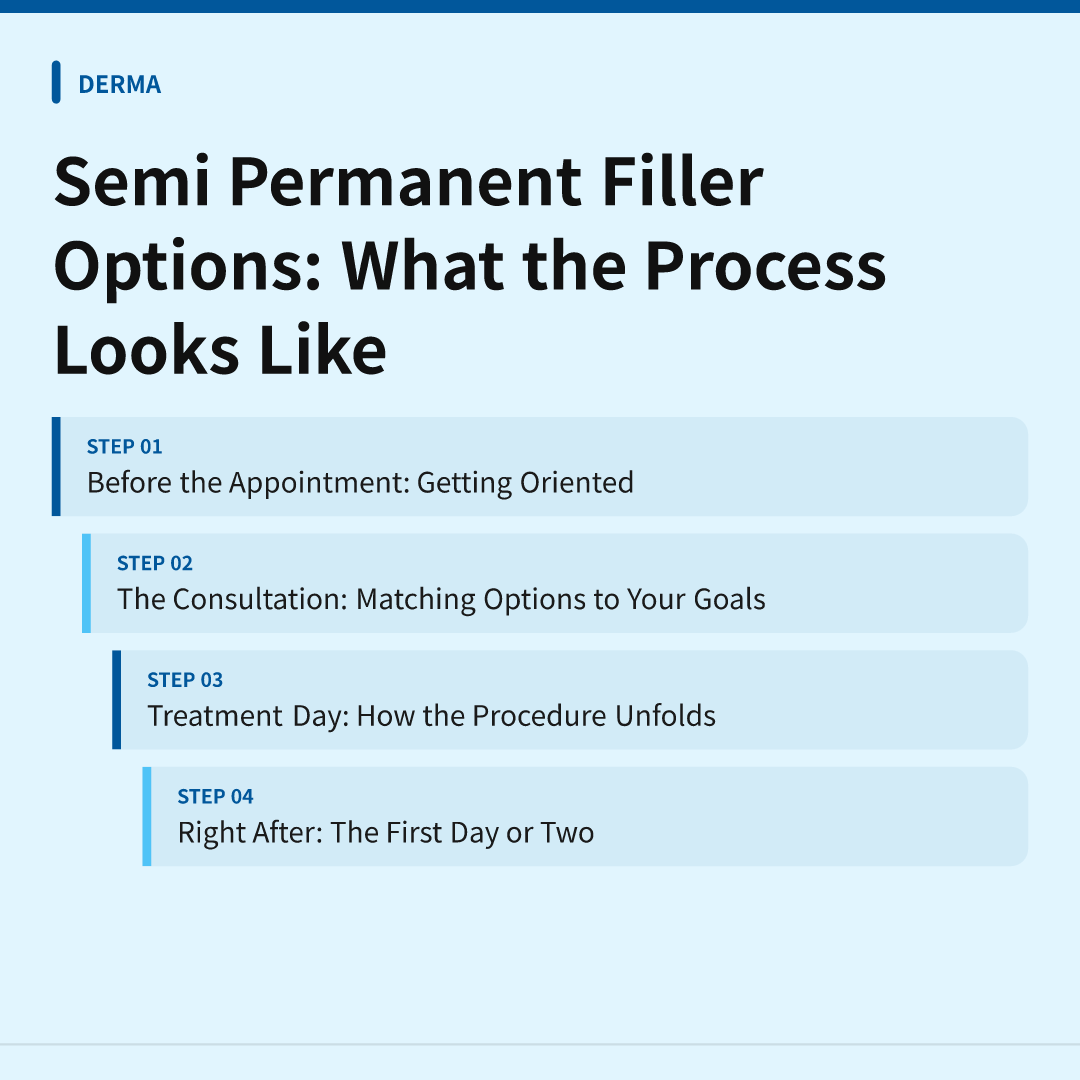
What Happens During and After Injection
When a needle enters the skin to deliver hyaluronic acid or other filler material, it disrupts tiny blood vessels in the dermis. Your body responds by sending fluid and immune cells to the area, creating visible swelling. Bruising appears when blood leaks into surrounding tissue before clotting. Think of it like a small construction site: the work is intentional, but temporary disruption is normal.
Most people see mild puffiness immediately, with bruising developing over the next 24 hours. The filler itself also attracts water, adding to initial volume that settles within days.
Factors That Influence Your Healing Speed
Not everyone bruises equally. Skin thickness, injection depth, and the treated area all matter. Lips and under-eyes bruise more easily due to thinner skin and denser blood vessel networks. can also affect recovery.
Your habits play a role too. Blood-thinning medications, supplements like fish oil or vitamin E, alcohol consumption, and even intense exercise right after treatment can prolong bruising. Providers often recommend avoiding these for a few days before and after your appointment.
Applying ice gently (never directly on skin), sleeping with your head elevated, and using arnica gel may help some people, though individual response varies. Avoid pressing or massaging the area unless instructed.
When Bruising or Swelling Needs Attention
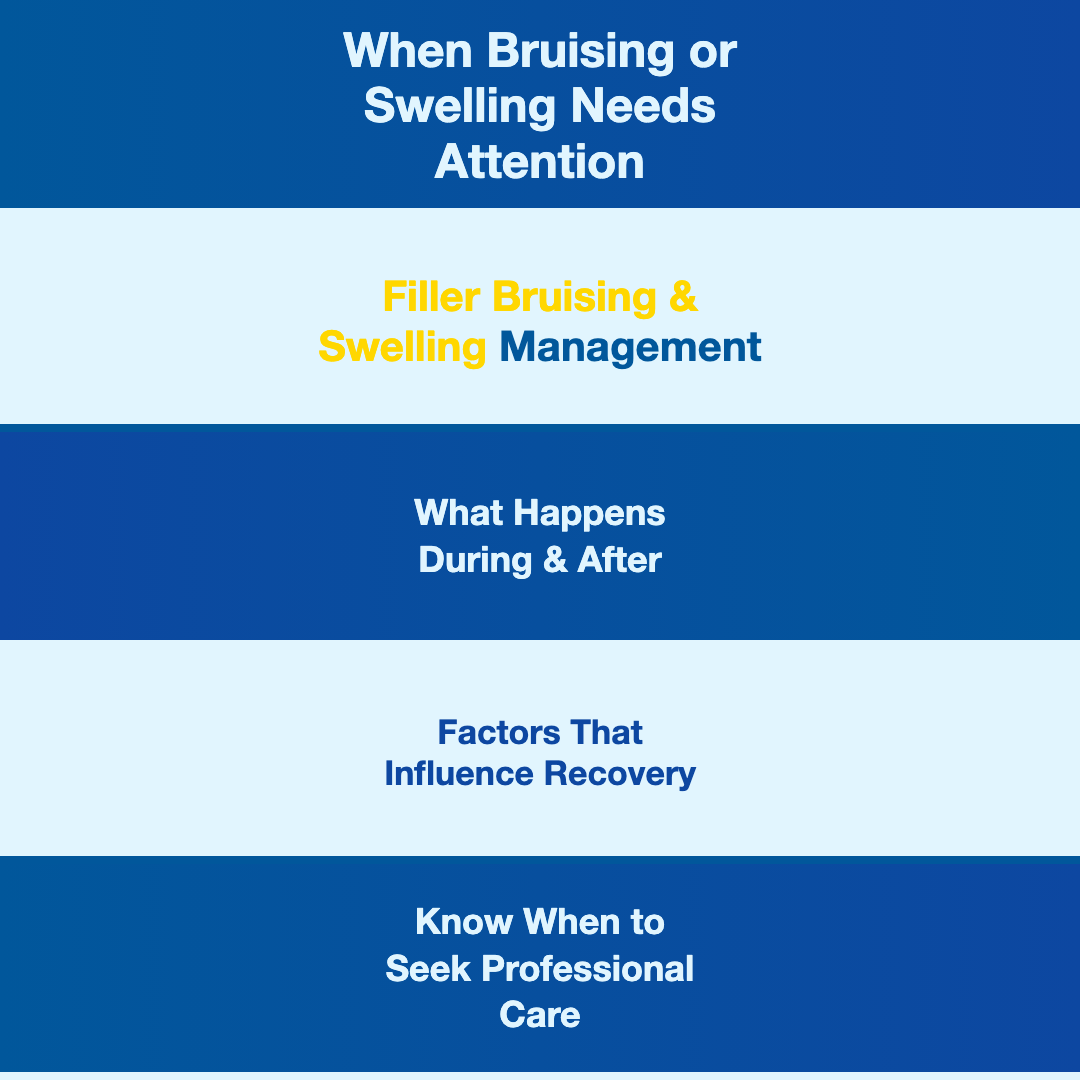
Minor bruising fades within a week; swelling typically peaks at 48 hours and resolves in three to five days. However, severe pain, rapidly increasing swelling, skin blanching (turning white), or vision changes require immediate professional contact—these may signal vascular complications, though rare.
Asymmetry lasting beyond initial swelling, lumps that don’t soften, or bruising that worsens after a week should prompt a follow-up with your injector. Managing filler bruising and swelling is mostly about patience and gentle care, but knowing when to seek help protects your safety and outcome.
Disclaimer: This article is for informational purposes only and is not a substitute for professional medical advice, diagnosis, or treatment. Please consult a licensed professional for personal health decisions.
📚 References

The official and high-authority sources below can help readers verify the context safely.