Revision Rhinoplasty Surgery Cost: What the Price Tag Hides
A patient compares three quotes for a second nose surgery, picks the lowest one, and six months later is back in a consultation room asking why the tip still looks uneven. This scene plays out more often than people expect, and it usually isn’t because the cheaper clinic did anything obviously wrong—it’s because revision rhinoplasty surgery cost was compared like a price tag on a shelf, rather than as a reflection of what actually goes into a second or third nasal surgery. Understanding what sits behind that number can save more money, and more stress, than chasing the lowest quote ever could.
What the Price Tag Alone Doesn’t Show You
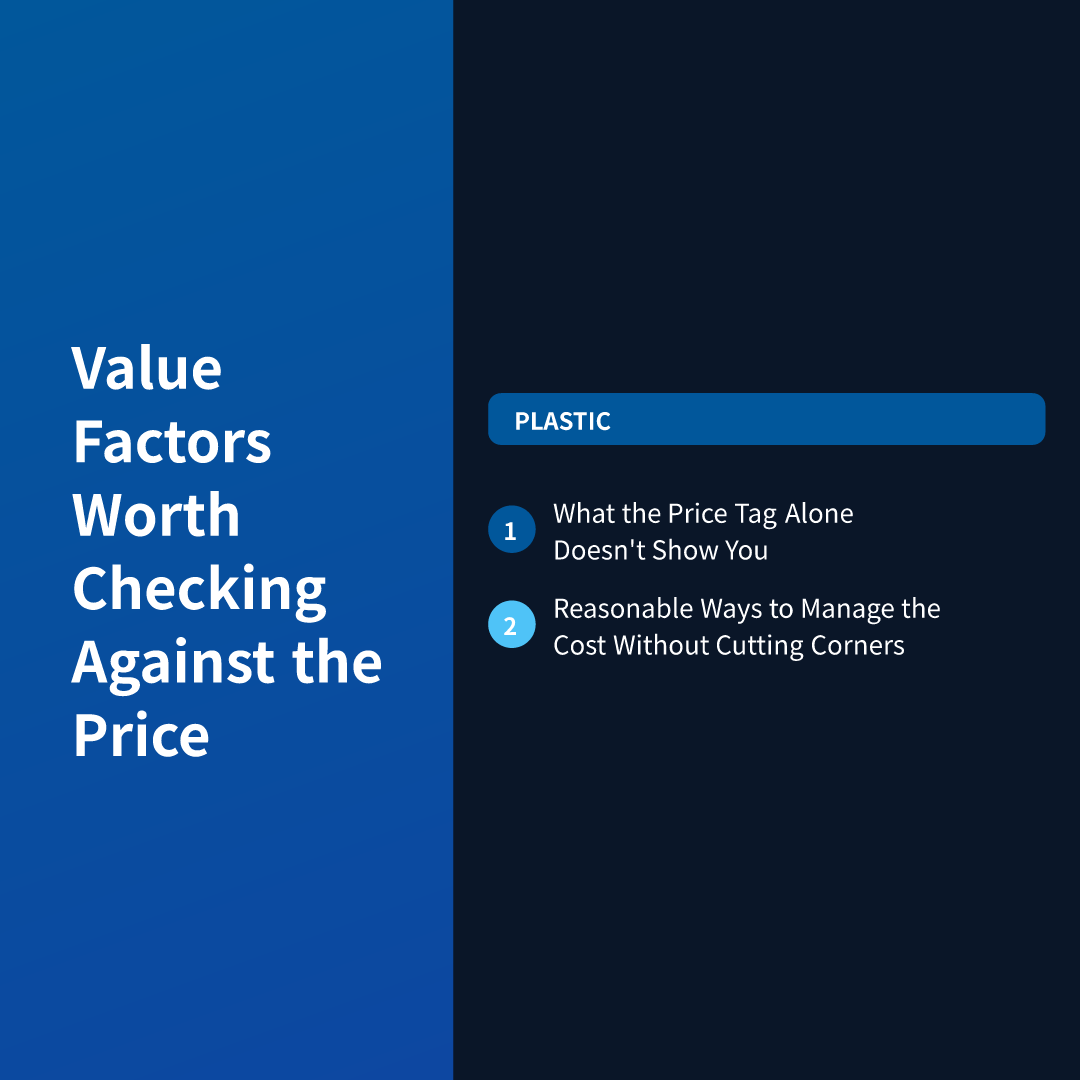
A single number on a price list can’t capture how much cartilage grafting is needed, whether scar tissue from a previous surgery will complicate the procedure, or how many hours the surgeon expects to spend in the operating room. Two clinics quoting a similar figure for secondary rhinoplasty may be planning completely different levels of work, and that gap often only becomes visible after the fact.
Why the Cheapest Quote Can Become the Costliest Choice
When a quote is unusually low, it’s worth asking what’s been left out. Some estimates don’t include imaging, anesthesia fees, follow-up visits, or the cost of a touch-up procedure if the result doesn’t settle the way it was expected to. In revision cases specifically, unresolved structural issues from the first surgery can mean a third procedure is needed later, and that additional surgery adds cost that was never part of the original comparison.
- Quotes that don’t specify whether cartilage grafts (ear, rib, or septal) are included
- Facility and anesthesia fees listed separately or not mentioned at all
- No clarity on how many follow-up visits are covered after surgery
- Limited or unclear policy if a touch-up is needed later
Value Factors Worth Checking Against the Price
Rather than asking only “how much,” it helps to ask what that price is actually paying for. In revision cases, three factors tend to matter more than in a first-time rhinoplasty: the surgeon’s specific experience with revision work, the safety standards of the facility, and how long-term results and aftercare are handled.
Surgeon Experience With Revision Cases Specifically
Revision rhinoplasty is generally considered more technically demanding than a first surgery, since the surgeon has to work around existing scar tissue, altered cartilage, and sometimes unpredictable healing patterns. A surgeon who regularly performs revision cases may charge more, but that additional cost often reflects the added complexity and planning involved rather than an arbitrary markup. According to the American Society of Plastic Surgeons, revision procedures are generally more complex than primary surgery, which is one reason costs and recovery expectations can differ from a first rhinoplasty.
Safety Standards and Facility Accreditation
Where the surgery takes place matters just as much as who performs it. An accredited surgical facility with proper anesthesia monitoring and emergency protocols in place adds to the overall cost, but it also reduces certain risks that become more relevant in a second or third nasal surgery. This is not a guarantee against complications—no surgery can promise a complication-free outcome—but a well-equipped facility is generally better positioned to respond quickly if something unexpected happens during or after the procedure.
Long-Term Results and What Happens After Surgery
Nasal swelling and shape changes can continue to settle for a long stretch after surgery, and revision cases in particular may take longer to reach their final look compared to a first-time procedure. Clinics that build in scheduled follow-up visits and are clear about how they handle a result that hasn’t settled as expected tend to price that ongoing support into the overall cost. A lower upfront quote that skips this kind of structured aftercare can end up costing more if problems arise later and have to be addressed separately.
Reasonable Ways to Manage the Cost Without Cutting Corners
Trying to save money on a second nasal surgery doesn’t have to mean accepting more risk. It generally means being more deliberate about where the savings come from.
- Get more than one detailed consultation — ask each surgeon to explain what specifically needs to be corrected and why, not just a total price.
- Ask what’s included in the quoted price — imaging, anesthesia, facility fees, and follow-up visits should all be itemized, not assumed.
- Ask about the clinic’s approach to unsatisfactory results — some clinics have a clear policy for addressing a touch-up, others do not, and this affects real long-term cost.
- Consider timing carefully — rushing into a second surgery before the first has fully healed can sometimes mean paying for corrections that would have resolved on their own with more healing time.
- Be cautious with heavily discounted packages — a lower price is not inherently a problem, but it’s worth confirming that nothing essential (like adequate grafting material or proper anesthesia support) has been reduced to hit that price point.
recovery timeline after nasal surgery
Frequently Asked Questions
Is revision rhinoplasty generally more expensive than a first surgery?
In many cases, yes. Revision procedures often involve more planning, additional cartilage grafting, and longer operating time due to scar tissue and altered anatomy from the previous surgery. Individual circumstances vary quite a bit, so the only way to get an accurate figure is through an in-person consultation and imaging review.
Does a higher price always mean a better or safer outcome?
Not necessarily. Price can reflect surgeon experience, facility quality, and included aftercare, but it isn’t a guarantee of a particular result. It’s more useful to ask specific questions about technique, safety protocols, and follow-up support than to treat price alone as a stand-in for quality.
What should be confirmed before agreeing to a specific price?
It helps to confirm whether the quote includes anesthesia and facility fees, how many follow-up visits are covered, what happens if a touch-up is needed, and what type of grafting material is planned. Getting these details in writing, rather than a verbal estimate, can prevent confusion later.
What should be checked carefully when a clinic advertises a discount or promotional event?
Before responding to a limited-time offer, it’s worth confirming exactly what’s included at that discounted rate—whether anesthesia, imaging, and follow-up care are part of the package or billed separately. It’s also reasonable to ask whether the discount applies to the same surgeon and facility standards described elsewhere on the clinic’s site, since a promotional price sometimes reflects a different service tier. Comparing this information calmly, rather than deciding under time pressure, tends to lead to a more informed choice about revision rhinoplasty surgery cost overall.
Disclaimer: This article is for informational purposes only and is not a substitute for professional medical advice, diagnosis, or treatment. Please consult a licensed professional for personal health decisions.