Safe Acne Treatment During Pregnancy
Acne treatment during pregnancy refers to skincare methods and products that address breakouts while avoiding ingredients known to pose risks to fetal development. Hormonal shifts during pregnancy often trigger acne, even in people who previously had clear skin. This guide explains which treatments are considered safe, which require caution, and how to navigate skincare choices during this sensitive period.
What Pregnancy Acne Means
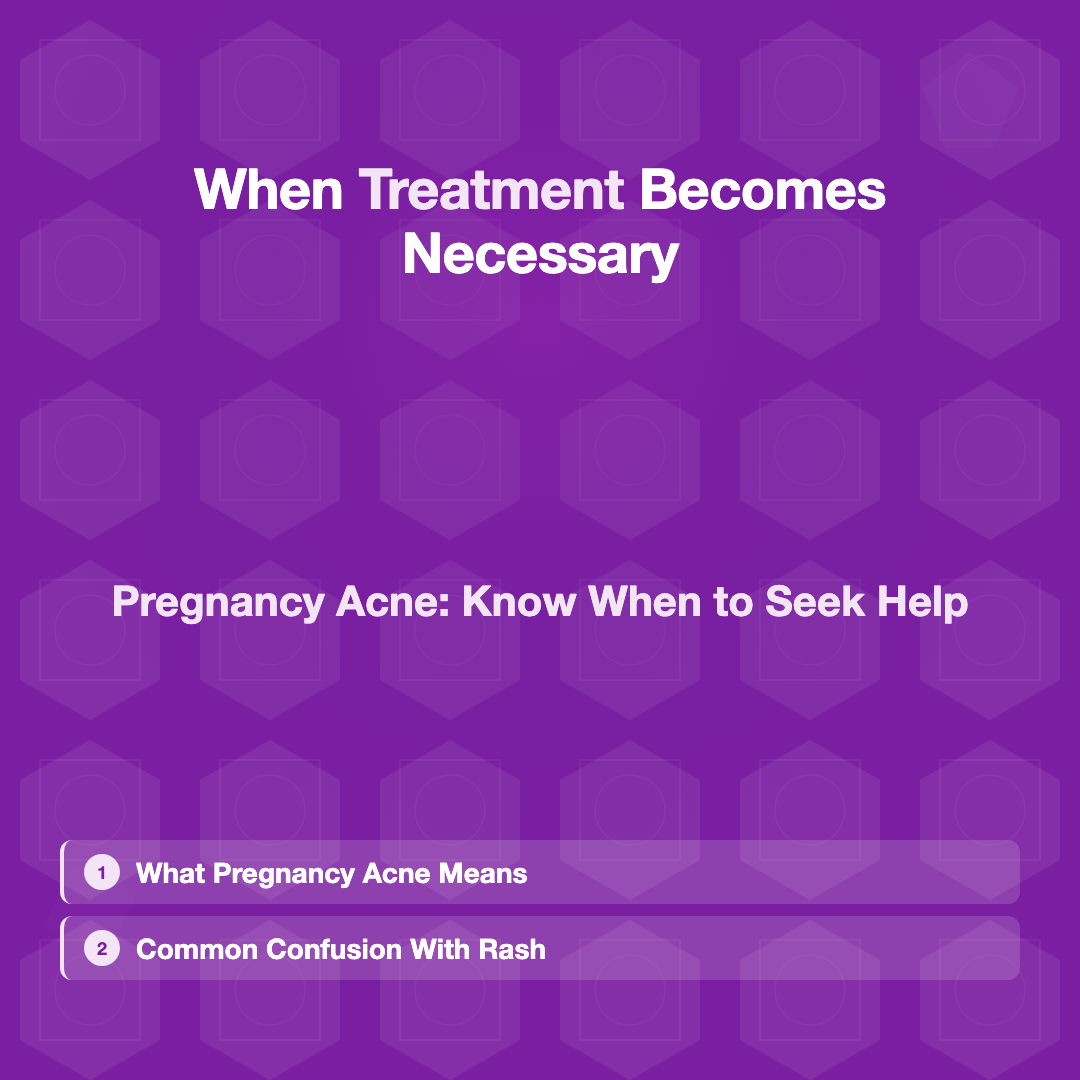
Pregnancy acne results from increased androgen levels that stimulate oil glands, leading to clogged pores and inflammation. It commonly appears in the first and second trimesters, though timing and severity vary widely. Unlike regular acne, treatment options are limited because certain ingredients can cross the placental barrier and potentially affect the developing baby.
When Treatment Becomes Necessary
Not all pregnancy acne requires active intervention—mild breakouts often resolve with gentle cleansing alone. Treatment becomes relevant when acne causes discomfort, spreads beyond isolated spots, or significantly affects emotional well-being. The challenge lies in balancing effectiveness with safety, as many conventional acne medications are contraindicated during pregnancy. can provide additional context for daily care.
Common Confusion With Regular Acne Care
Many assume pregnancy-safe products are simply weaker versions of standard treatments, but the distinction is more specific. Ingredients like retinoids, salicylic acid in high concentrations, and certain oral medications are avoided not because they’re “too strong” but because research suggests potential developmental risks. Meanwhile, azelaic acid, low-percentage glycolic acid, and topical benzoyl peroxide (in limited amounts) are generally considered acceptable alternatives with different safety profiles.
Why This Matters for Skin Health
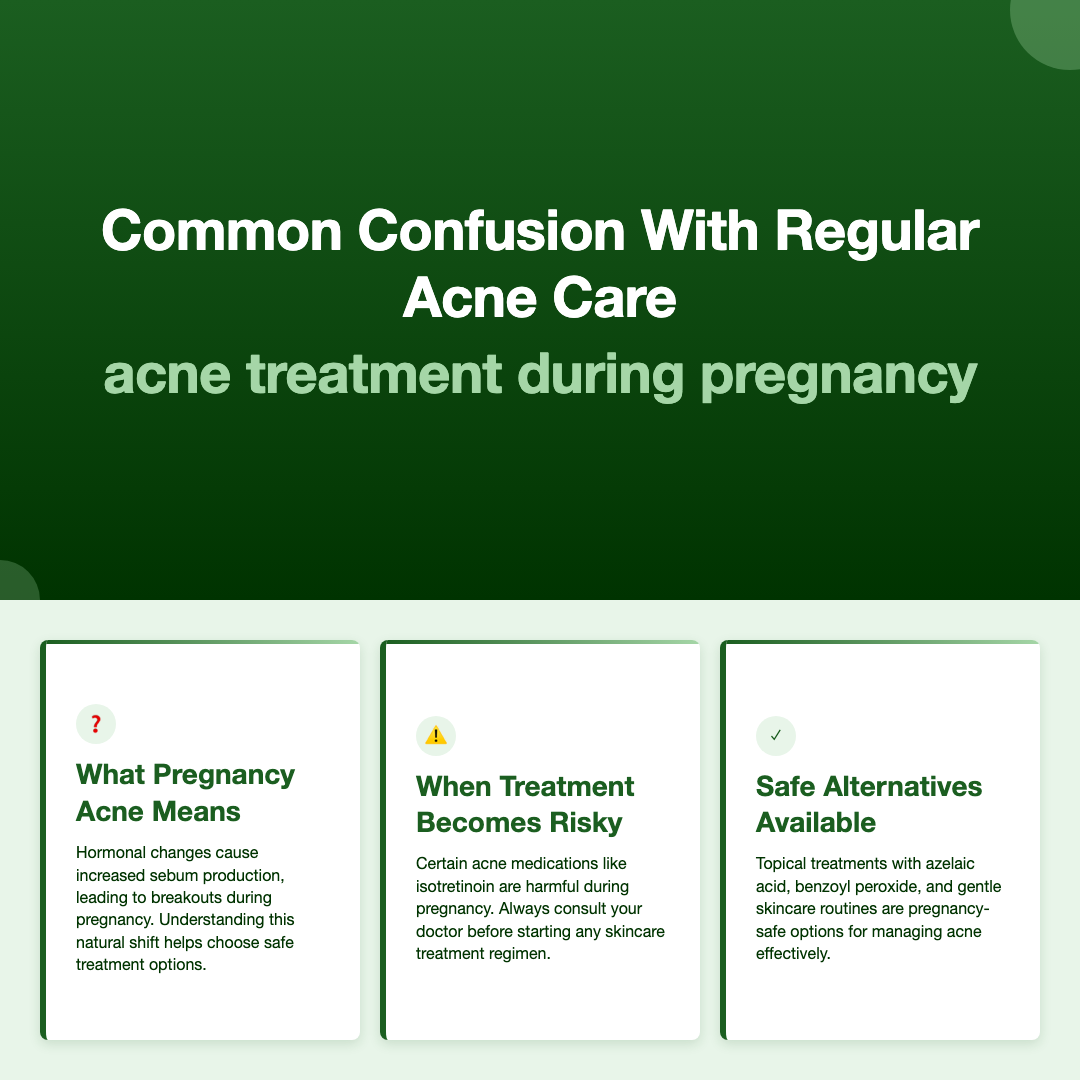
Understanding safe acne treatment during pregnancy prevents two common mistakes: using potentially harmful products out of habit, or avoiding all treatment and allowing severe acne to worsen and potentially scar. Untreated inflammatory acne can lead to post-inflammatory hyperpigmentation that persists long after delivery. Consulting a dermatologist familiar with pregnancy restrictions ensures you receive appropriate care—gentle cleansers, approved topicals, and sometimes light therapy offer meaningful improvement without documented risks.
Knowing these distinctions changes two key decisions: you’ll read ingredient labels more carefully before applying any acne product, and you’ll feel more confident seeking professional guidance rather than relying solely on over-the-counter guesswork. Individual skin responses and pregnancy circumstances differ, so personalized advice from a qualified provider remains essential for both safety and effectiveness.
Disclaimer: This article is for informational purposes only and is not a substitute for professional medical advice, diagnosis, or treatment. Please consult a licensed professional for personal health decisions.
📚 References
The official and high-authority sources below can help readers verify the context safely.