Scalp Micropigmentation for Hair Loss: What It Is and Isn't
Scalp micropigmentation for hair loss is a cosmetic tattooing technique in which tiny deposits of pigment are placed in the upper layers of the scalp skin to create the look of short hair stubble or added density. It does not grow hair, and it does not treat the underlying cause of thinning or balding. This article explains what the procedure actually is, when people tend to consider it, how it differs from similar-sounding options, and why those differences matter when you are weighing your choices.
The Exact Meaning of Scalp Micropigmentation

Scalp micropigmentation, often shortened to SMP, is a form of cosmetic tattooing performed on the scalp. A trained technician uses a fine needle device to place pigment into the skin in a pattern of very small dots. From a normal conversation distance, those dots can read as hair follicles cut close to the skin.
Think of it like a pointillist painting. Up close you see separate dots, but step back and the eye blends them into a continuous shade or shape. That optical effect is the whole idea behind the technique.
What the pigment does and does not do
The pigment sits in the skin, not in the hair follicle itself. This means the procedure changes appearance rather than biology. Existing hair continues on its own course, and any ongoing thinning is not stopped or reversed by the pigment.
Dermal pigment is a type of tattoo ink placed in the dermis, the layer of skin beneath the surface. Because it is a tattoo process, it is generally considered long-lasting, though the look can soften or shift in tone over time. How quickly this happens varies between individuals and depends on skin type, pigment choice, and sun exposure.
Common looks people ask about
Most discussions of SMP fall into a few broad goals. Some people want a shaved or buzzed look across the whole scalp. Others want to add visual density to areas where hair is thinning but still present. A third group wants to camouflage scars, such as those from earlier hair transplant surgery or injury.
Each goal calls for a different approach, including the density of dots and the shade selected. A good consultation usually starts by clarifying which of these goals applies to you.
Situations Where People Consider It
People tend to look into SMP when other options feel unsuitable, unwanted, or incomplete. The reasons are personal, and there is no single right path. Understanding the typical scenarios can help you see whether your own situation resembles them.
Pattern hair loss and receding hairlines
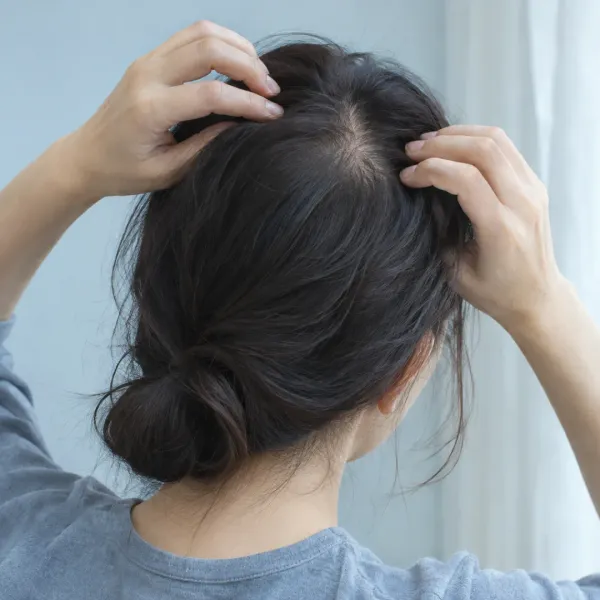
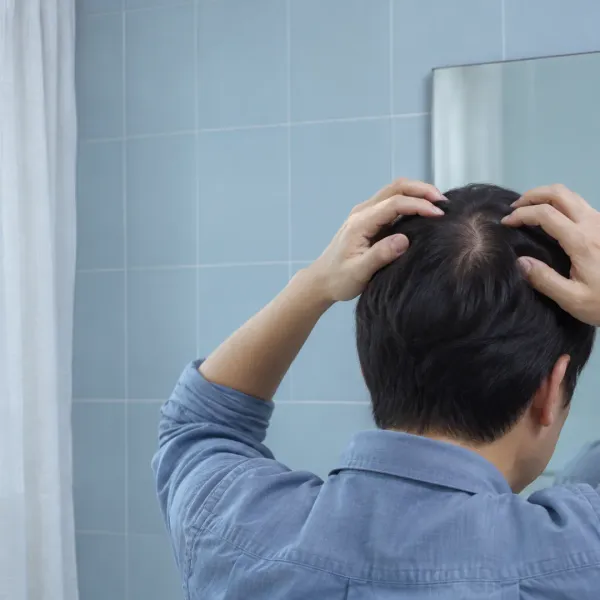
Pattern hair loss, sometimes called androgenetic alopecia, is a common cause of thinning that follows a recognizable progression on the scalp. According to the MedlinePlus general guidance on hair loss, it is influenced by genetics and hormones and tends to develop gradually. Some people with this pattern choose a closely cropped style and use SMP to create the impression of a fuller hairline.
Scarring and surgical marks
Scars on the scalp can be noticeable when hair is cut short. People who have had surgery or an injury sometimes explore SMP as a way to blend the scar into surrounding hair. Results on scar tissue can differ from results on regular skin, because scar tissue may hold pigment differently, so this is a topic to raise directly with the provider.
Patchy hair loss from autoimmune causes
Some people with patchy hair loss, such as alopecia areata, ask about SMP. The American Academy of Dermatology's general information notes that alopecia areata is an autoimmune condition with an unpredictable course, and hair may regrow or fall out again over time. Because the condition can change, a dermatologist is generally the right person to discuss whether a permanent cosmetic option fits your situation.
When it may not be a good fit
SMP is not necessarily suitable for everyone. People with active scalp skin conditions, unexplained or sudden hair loss, or a tendency toward unusual scarring may be advised to wait or to explore other routes first. Anyone with a medical condition affecting skin healing should also speak with a licensed healthcare professional before booking.
Related reading: Best Vitamins for Hair Loss Prevention: Match the Cause First
Commonly Confused Concepts and How They Differ
Several terms around hair loss sound alike but describe very different things. Mixing them up can lead to unrealistic expectations, so a few plain distinctions are worth keeping in mind.
SMP versus a hair transplant
A hair transplant is a surgical procedure that relocates actual hair follicles from one part of the body to another. SMP, by contrast, places pigment and does not involve moving any follicles. The two are sometimes combined, since pigment can add visual density around transplanted hair, but they are distinct procedures with different recovery, cost, and risk profiles.
SMP versus conventional tattooing
SMP uses tattoo-style technology, but practitioners typically use different needle setups, pigments, and depth than a body tattoo. A body tattoo on the scalp can change color over time in ways that look different from intentionally formulated scalp pigment. This is one reason people are generally cautioned against treating SMP as interchangeable with an ordinary tattoo session.
SMP versus hair loss treatments
Medications, topical products, and in-office therapies for hair loss aim to influence the hair cycle itself. Whether any of them suit a particular person is a decision for a licensed clinician, who can consider the cause of the hair loss, your medical history, and any other medicines you take. SMP does not do any of that, and it is not a substitute for finding out why hair loss is happening.
SMP versus hair fibers and concealers
Temporary cosmetic products, such as colored fibers or sprays, sit on the surface and wash off. SMP is intended to be longer lasting. That difference is the main trade-off: temporary products are easy to stop using, while pigment placed in the skin is much harder to reverse.
Related reading: Rolling Acne Scars Treatment: Options and What to Ask
Why the Details Matter in Practice
Because SMP is a cosmetic tattoo, the details of who does it, how it is done, and what you expect from it matter a great deal. Knowing a few basics can help you ask better questions before committing.
Practitioner skill and hygiene
The result depends heavily on the technician's training, their sense of hairline design, and their hygiene standards. Tattooing involves breaking the skin, and the U.S. Food and Drug Administration notes in its general consumer information on tattoos that infections and allergic reactions can occur. The FDA also regulates tattoo inks as cosmetics, which is one reason it is reasonable to ask what pigments are being used and how they are handled.
Local and state rules for tattoo practitioners differ, so it can help to ask about licensing and about how equipment is sterilized or disposed of. Asking to see how a provider handles needles and workspace setup is a reasonable request, not an insult.
Design and aging of the hairline
A hairline drawn for a younger look can appear unnatural as you age, because real hair continues to change while the pigment stays put. Many people discuss a conservative, age-appropriate hairline with their provider for this reason. Think about how you might feel about the design years from now, not just on the day it is completed.
Expectations about color and fading
Pigment can shift slightly in tone over time, and some people notice it looks lighter or takes on a slightly different shade. Sun exposure on the scalp is often cited as one factor in how pigment ages. Touch-ups are a common part of conversations about SMP, so it is sensible to ask what ongoing maintenance might involve and what it could cost.
Possible reactions and what to watch for
Reactions vary from person to person. Possible issues with any tattoo include redness, swelling, itching, infection, or an allergic response to the pigment. Aftercare is provided by the practitioner, and following their written guidance and any advice from a healthcare professional is important.
Seek medical care promptly if you notice spreading redness, increasing pain, warmth, pus, fever, or any sign of an allergic reaction after a procedure. Also talk with a clinician if you have sudden or patchy hair loss, scalp pain, or other symptoms that have not been evaluated, since hair loss can sometimes reflect an underlying condition.
Questions worth bringing to a consultation
- What training and experience does the technician have with scalp work specifically?
- What pigments are used, and how do they tend to age on different skin tones?
- How will the hairline be designed for my age and face shape?
- What does the process involve, including the number of sessions and healing time?
- What happens if I am unhappy with the result, and how difficult is removal?
How Knowing This Changes Your Decisions
Once the difference between changing appearance and treating hair loss is clear, two decisions tend to get easier.
- You can separate the cosmetic question from the medical one. If your hair loss is new, sudden, patchy, or accompanied by other symptoms, it makes sense to have a licensed clinician look at it before choosing any cosmetic option. SMP can be considered afterward, once you understand what is driving the change.
- You can judge scalp micropigmentation for hair loss as a long-term commitment rather than a quick fix. Because it is a tattoo, it is hard to undo, and your hair may keep changing around it. Weighing the design, the provider's qualifications, and the maintenance involved helps you decide whether it suits your goals, or whether a temporary or reversible choice is a better starting point.
Frequently asked questions
Does scalp micropigmentation stop hair loss from continuing?
No, because the pigment is placed in the skin and does not act on the hair follicle itself. If your hair loss is ongoing, it generally continues on its own course, which is why a clinician's evaluation of the cause is a separate step. SMP only changes how the scalp appears.
Can SMP be used to cover scars from earlier hair surgery?
It is often discussed for that purpose, but scar tissue may take pigment differently from regular skin. If you have scarring, ask the provider how they handle it and whether a test area is possible. A healthcare professional can also advise if your scar is still healing.
Is it the same thing as getting a regular tattoo on the scalp?
No, if the goal is a natural hair-like look. SMP generally uses different needle setups, pigments, and depth than a standard body tattoo, and ordinary ink can change color over time in ways that look less natural. Ask any provider what products and methods they use.
What should I do if the result looks different from what I expected?
If you are unhappy with the look, start by talking to the provider about adjustment options, since touch-ups are a common part of the process. Removal is generally harder than applying pigment, so it is worth asking in advance what is possible. If you notice pain, infection signs, or a reaction, contact a healthcare professional.
Disclaimer: This article is for informational purposes only and is not a substitute for professional medical advice, diagnosis, or treatment. Please consult a licensed professional for personal health decisions.