Under Eye Filler Tear Trough Treatment Explained
Under eye filler tear trough treatment has become a popular cosmetic option for addressing hollowness, dark circles, and tired-looking eyes. This guide walks you through the basics, procedure steps, aftercare, and important considerations to help you make an informed decision.
What You’ll Learn in This Guide
- What tear trough fillers are and how they work
- Step-by-step procedure overview
- Recovery timeline and care tips
- Common mistakes and how to avoid them
- When to seek professional help
Understanding Tear Trough Fillers
The tear trough is the groove running from the inner corner of your eye diagonally downward. When this area becomes hollow due to aging, genetics, or volume loss, it creates shadows that look like dark circles or make you appear fatigued.
These cosmetic treatments use hyaluronic acid-based products that add volume beneath the skin, smoothing the transition between lower eyelid and cheek. Hyaluronic acid is naturally occurring in the body, making it a reversible option.
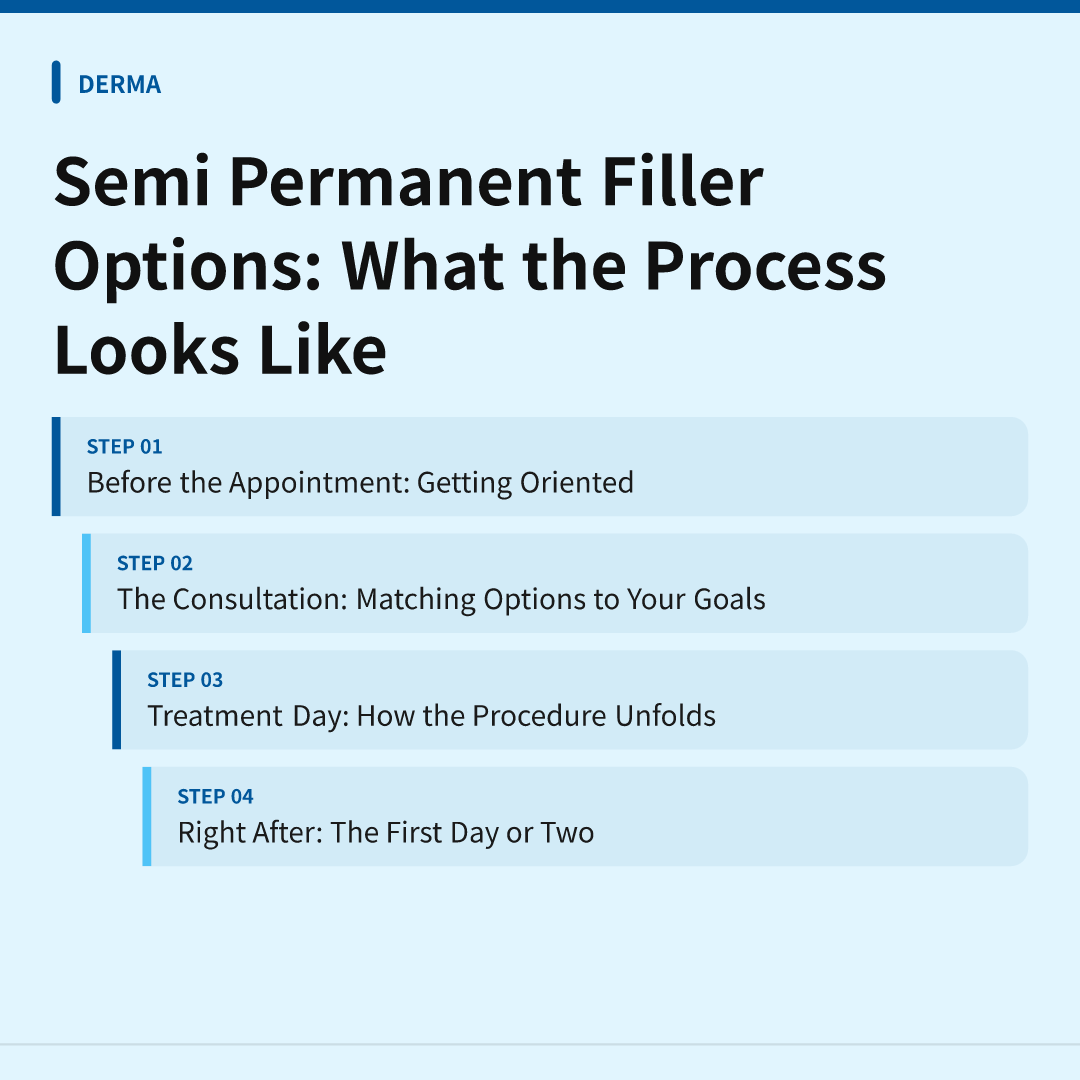
Step-by-Step Procedure Overview
Step 1: Consultation and Assessment
Your provider examines your under-eye area, discusses concerns, reviews medical history, and explains realistic outcomes.
Step 2: Preparation and Numbing
The treatment area is cleansed. Topical numbing cream may be applied, though many fillers contain lidocaine.
Step 3: Injection Technique
Using a fine needle or blunt-tip cannula, filler is carefully injected in small amounts along the tear trough.
Step 4: Molding and Post-Treatment
The provider gently massages the area to distribute product evenly. Ice packs are applied to minimize swelling.
Common Mistakes and How to Avoid Them
Overfilling: Too much product creates puffiness. Conservative amounts are safer, with the option to add more later.
Choosing an Inexperienced Injector: Always select a licensed, experienced professional who specializes in facial aesthetics.
Ignoring Aftercare: Rubbing the area, intense exercise, or lying flat too soon can shift filler or worsen swelling.
Advanced Tips for Best Results
Timing Matters: Schedule treatment at least two weeks before important events to allow swelling to resolve.
Layered Approach: Multiple sessions with smaller amounts reduce overcorrection risk.
Recovery and Aftercare Essentials

Mild swelling, tenderness, and bruising are common and usually resolve within days. Apply cold compresses intermittently for the first 24 hours.
Avoid strenuous exercise, alcohol, and blood-thinning supplements for at least 24 hours. Sleep with your head elevated for the first few nights. Avoid makeup on the treated area for at least 12 hours.
When to Seek Professional Help
Seek immediate medical attention if you experience sudden vision changes, severe pain, blanching (skin turning white), or signs of vascular compromise. Hyaluronic acid fillers can be dissolved with hyaluronidase if necessary.
Frequently Asked Questions
How long do results last?
Results typically last six to twelve months, depending on metabolism and product type.
Is the procedure painful?
Most people report mild discomfort. Numbing cream and lidocaine-containing fillers help minimize pain.
Conclusion
Under eye filler tear trough treatment can effectively address hollowness and create a refreshed appearance when performed by a skilled professional. Understanding the procedure, managing expectations, and following proper aftercare are essential for safe, satisfying results. Always consult a qualified provider to determine if this treatment is right for you.
Disclaimer: This article is for informational purposes only and is not a substitute for professional medical advice, diagnosis, or treatment. Please consult a licensed professional for personal health decisions.
📚 References

The official and high-authority sources below can help readers verify the context safely.