Understanding Biodegradable Filler Safety Profiles
Biodegradable fillers are temporary dermal fillers absorbed by the body over time. Their safety depends on composition, injection technique, and individual patient factors. Unlike permanent fillers, biodegradable options—including hyaluronic acid, calcium hydroxylapatite, and poly-L-lactic acid—offer reversibility, a key safety advantage.
What This Means for Patient Safety
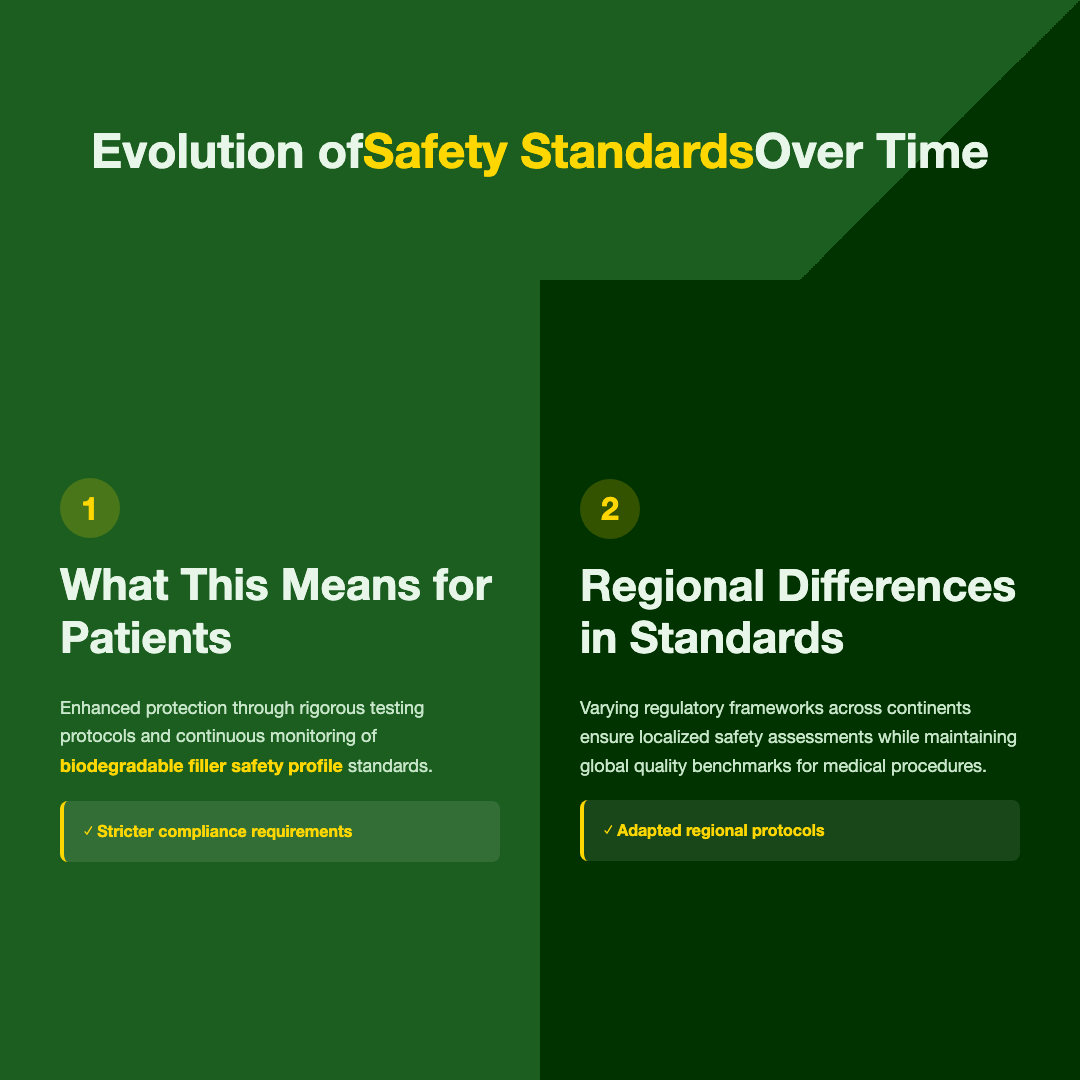
The temporary nature means complications are generally time-limited. Hyaluronic acid fillers can be dissolved with hyaluronidase if needed. Common side effects include temporary swelling, bruising, and tenderness that typically resolve within days to weeks. Serious complications like vascular occlusion remain possible but are rare with proper protocols.
Regional Differences in Usage and Monitoring
Asian markets, including South Korea and Japan, show high adoption rates of biodegradable fillers, with hyaluronic acid dominating. Western markets use broader variety. Regulatory oversight varies: the U.S. FDA requires clinical trials before approval, while some regions have less stringent requirements, affecting available products and safety data.
Evolution of Safety Standards Over Time
Manufacturing standards have improved significantly over the past decade. Modern formulations predominantly use non-animal sources, eliminating earlier allergy concerns. Injection techniques have evolved, with ultrasound guidance and cannula use becoming more common to reduce vascular complications.
Variation Across Patient Groups
Safety profiles differ by patient characteristics. Older patients may experience longer-lasting bruising. Individuals with autoimmune conditions or those taking blood thinners face elevated risks. Biodegradable fillers are generally used across diverse populations.
Practical Considerations for Treatment Decisions
Verify your provider is properly trained and uses approved products. Discuss your complete medical history, including medications. Understand that “biodegradable” does not mean “risk-free.” Ask about the specific filler, expected duration, and options if you’re unsatisfied with results.
Frequently Asked Questions
How long do biodegradable fillers typically last?
Duration ranges from six months to two years depending on product type and injection site. Hyaluronic acid typically lasts 6-18 months, while poly-L-lactic acid effects may persist up to two years.
Are biodegradable fillers safer than permanent fillers?
Many practitioners prefer biodegradable options because complications are temporary and some types can be reversed. However, “safer” depends on proper technique and individual response—no filler is entirely risk-free.
What are the most common side effects?
Temporary swelling, bruising, redness, and tenderness are most common, usually resolving within days. Nodules can occasionally form but often soften over time or can be treated.
Can anyone get biodegradable fillers?
Most healthy adults are candidates, but certain conditions—active infections, severe allergies, pregnancy, autoimmune disorders, or bleeding disorders—may make treatment inadvisable. Thorough consultation is essential.
Conclusion
Biodegradable fillers offer a temporary approach to facial enhancement with generally favorable safety profiles when administered properly. Their reversible nature and improving formulations make them popular, though individual results and risks vary. Always seek treatment from qualified professionals, discuss your complete medical history, and maintain realistic expectations about outcomes and potential side effects.
Disclaimer: This article is for informational purposes only and is not a substitute for professional medical advice, diagnosis, or treatment. Please consult a licensed professional for personal health decisions.
📚 References
The official and high-authority sources below can help readers verify the context safely.