Best Hair Loss Prevention Shampoo: Mistakes to Skip
The most common mistake with a hair loss prevention shampoo is expecting the bottle to stop thinning on its own. Shampoo is a cleansing product that touches the scalp for a short time and then rinses away, so it usually cannot change the underlying causes of shedding, such as genetics, hormones, illness, or nutrition. What a well-chosen shampoo can do is keep the scalp comfortable and clean, and help hair look and feel fuller. Knowing that limit up front makes it much easier to choose sensibly and avoid wasting months and money.
This guide walks through the missteps people often make when shopping for a shampoo aimed at thinning hair, explains why each one backfires, and offers a more workable alternative. It then covers how to adjust your approach for different situations and answers a few questions that tend to remain afterward.
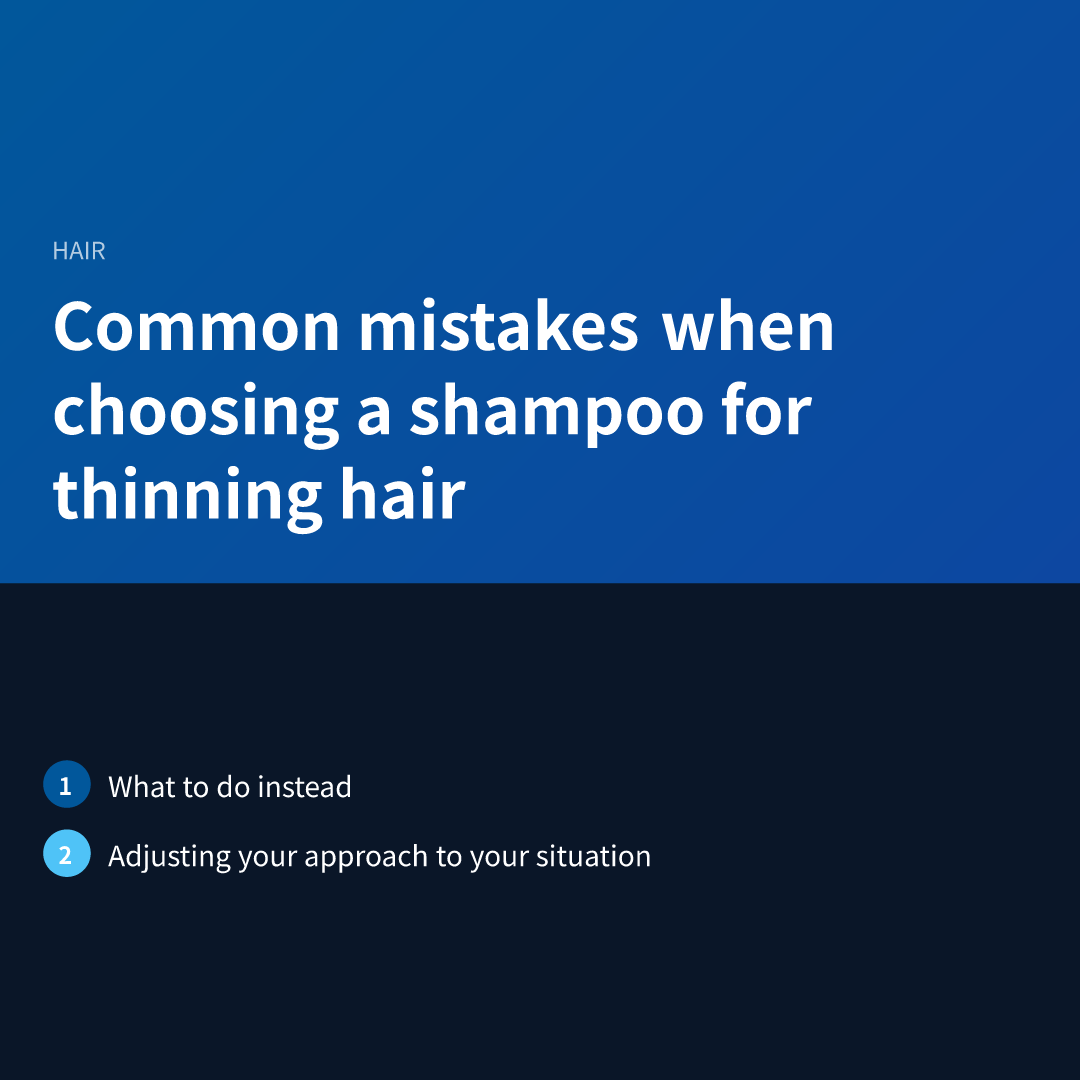
Common mistakes when choosing a shampoo for thinning hair
Mistake one: treating shampoo as a medical treatment
Marketing language on hair products can blur the line between cosmetic benefits and medical ones. In the United States, the FDA distinguishes between cosmetics, which are meant to cleanse or improve appearance, and drugs, which are intended to affect the structure or function of the body or to address a disease. Most shampoos fall on the cosmetic side, which is why their claims tend to focus on strengthening the look of hair, adding volume, or reducing breakage.
This matters because a shampoo that promises to "stop hair loss" may set up an expectation it was never designed to meet. A more useful approach is to read the label for what the product actually says it does, such as cleansing, moisturizing, or adding body, and to treat any larger promise with some skepticism. If you want to address the cause of thinning, that conversation belongs with a clinician rather than a shampoo aisle.
Mistake two: chasing a single "best" product
People often search for one definitive winner, but scalps differ. An oily scalp, a dry and flaky scalp, a sensitive scalp, and a scalp with a skin condition all respond differently to the same formula. A shampoo that feels great for one person can leave another person itchy or greasy.
The better move is to start with your scalp type and your main concern, then narrow down from there. Ask yourself whether your scalp tends to be oily, dry, or easily irritated, and whether you notice flaking, redness, or tenderness. Those details point toward a gentle cleanser, a clarifying option, or a visit to a professional, and they matter more than any ranking list.
Mistake three: switching products every few weeks
Hair grows slowly and in cycles, so changes in density or shedding usually show up gradually. Many people try a shampoo for a short stretch, feel nothing has changed, and jump to another one. This constant switching makes it hard to tell what is helping, and it can irritate the scalp along the way.
A steadier plan is to pick one reasonable product, use it according to the label, and give it a fair, patient trial before judging it. Keeping a simple note of how your scalp feels and how much hair you notice in the drain or on your brush can help you compare over time. If you notice irritation, stop and reconsider instead of pushing through.
Mistake four: ignoring the ingredient list
Some shoppers choose based on a front-of-bottle promise and never check what is inside. Ingredients can affect how a shampoo feels on the scalp, and reactions vary from person to person. Fragrance, strong sulfates, or certain botanical extracts can bother sensitive skin, while others tolerate them without trouble.
Instead of guessing, read the label and look for anything you already know you react to. Ingredients commonly seen in shampoos marketed for thinning hair include caffeine, biotin, saw palmetto, and ketoconazole. Their roles differ: some are cosmetic additions, and ketoconazole is typically found in medicated dandruff products. If a product contains an active ingredient, a pharmacist can explain what it is and whether it suits your situation.
Mistake five: scrubbing harder to "wake up" the follicles
Vigorous scrubbing feels productive, but it can irritate the scalp and rough up the hair shaft, which may lead to more breakage. Hot water and aggressive towel drying can add to the strain. Breakage can look a lot like thinning, even though the roots are not the issue.
A gentler routine tends to serve thinning hair better. Many people find that massaging the scalp softly with the pads of the fingers, rinsing with lukewarm water, and patting hair dry reduces unnecessary stress. If your scalp feels sore, burning, or unusually tender, that is worth mentioning to a professional.
Mistake six: overlooking the real cause of shedding
Hair loss has many possible causes. According to the American Academy of Dermatology's general guidance, common contributors include inherited patterns, hormonal shifts, stress, certain medications, nutritional gaps, and some medical conditions. A shampoo cannot sort out which of these is at play.
If you only swap shampoos, you may spend a long time without learning why the shedding is happening. The more useful step is to notice the pattern: whether hair is thinning at the crown or hairline, shedding evenly all over, or falling out in patches. Writing down when it started and what else changed in your life gives a clinician something concrete to work with.
What to do instead
Match the shampoo to your scalp first
Start by identifying your scalp type, because a comfortable scalp is the foundation for healthy-looking hair. People with oily scalps often prefer a lighter cleansing formula, while those with dry or sensitive scalps usually do better with a gentler, fragrance-free option. If flaking or itching is part of the picture, a product designed for that concern may be more relevant than one built around volume.
When trying something new, many people patch test or introduce it gradually to see how the scalp responds. Product directions on the label are the best guide for how often to use it, and a pharmacist can help if the formula includes an active ingredient. Reactions vary, so what suits a friend may not suit you.
Set realistic expectations for what a shampoo can do
A good shampoo may support a clean scalp, reduce buildup, and help hair appear thicker by coating or conditioning the strands. It may also lessen breakage, which can make hair look fuller. These are modest, cosmetic benefits, and they are worth having, but they are different from regrowing hair.
Results vary, and changes tend to be gradual instead of immediate. If a brand suggests dramatic or fast outcomes, treat that as a reason to look more closely at the evidence behind it. The Federal Trade Commission has general guidance cautioning against unsupported health and beauty claims, which is a helpful reminder when reading product pages.
Support the basics around the shampoo
Hair is influenced by overall health, so the habits around the bottle matter too. Balanced eating, adequate sleep, and managing stress are commonly mentioned in general wellness guidance, though they are not guaranteed to change shedding. Heat styling, tight hairstyles, and harsh chemical processing can add to breakage, so many people reduce them when hair feels fragile.
Any supplement marketed for hair deserves a conversation with a pharmacist or doctor before use, particularly if you take other medications or have a health condition. Some nutrients can interfere with lab tests or interact with other products, and more is not always better.
Know when to bring in a professional
A dermatologist can examine the scalp, ask about your history, and discuss whether testing or a treatment plan makes sense. Medical options exist for some types of hair loss, and they are prescribed or recommended by a clinician rather than chosen from a store shelf. Getting a clear picture early can save time compared with trying product after product.
Adjusting your approach to your situation
If shedding started suddenly
A sudden increase in shedding is often worth a professional look, especially after major stress, illness, a significant diet change, childbirth, or starting a new medication. According to MedlinePlus general information, temporary shedding after such events is fairly well recognized, but only a clinician can tell whether that applies to you. A shampoo is unlikely to be the main factor in either direction.
If your scalp is itchy, flaky, or red
Scalp irritation can accompany conditions such as dandruff or other skin problems, and these may contribute to discomfort or visible flaking. In this case, the main goal is to calm the scalp rather than to chase a "thickening" claim. A pharmacist can point out over-the-counter options and explain their labels, and a dermatologist can evaluate persistent or severe symptoms.
If you have gradual thinning along a familiar pattern
Slow thinning at the temples, crown, or part line is commonly linked to inherited patterns, according to general guidance from the American Academy of Dermatology. A shampoo may help hair look and feel better, but it generally will not alter that pattern. If this fits what you see, a consultation can clarify what realistic options exist for your situation.
If you have color-treated, curly, or textured hair
Hair that is dry, chemically processed, or naturally curly is often more prone to breakage, which can mimic thinning. Moisturizing, sulfate-free, or color-safe formulas are commonly chosen by people in these groups, though preferences differ. Gentle detangling and fewer heat tools can matter as much as the shampoo itself.
If you are pregnant, nursing, or take medications
Ingredient questions carry more weight in these situations. Before using any product with an active ingredient, or any hair supplement, check with a pharmacist or doctor who knows your health history. Do not assume that a product sold over the counter is suitable for everyone.
If you have a history of allergies or sensitive skin
Fragrance and certain preservatives are frequent culprits for scalp reactions in sensitive people. Choosing simpler formulas and reading the label carefully can lower the odds of trouble, though nothing removes the possibility entirely. If a product causes burning, swelling, a rash, or intense itching, stop using it and seek medical advice, especially if symptoms are strong.
Signs it is time to see a professional
- Hair is falling out in patches or clumps rather than evenly.
- Shedding began abruptly or seems to be accelerating.
- The scalp is painful, scaly, inflamed, or shows sores.
- Thinning appears alongside fatigue, weight changes, or other new symptoms.
- You are worried about the emotional impact of hair changes.
These signs do not necessarily point to something serious, but they are good reasons to ask for an evaluation. Hair changes can sometimes reflect something going on elsewhere in the body, so a professional opinion is more informative than trial and error.
Frequently asked questions
Can a shampoo really stop hair loss on its own?
Generally, no. Shampoos are cosmetic products meant to cleanse the scalp and improve how hair looks and feels, and they usually do not address the underlying causes of shedding. Some people find that a suitable formula keeps the scalp comfortable and reduces breakage, but results vary, so a clinician is the right contact for questions about the cause.
Is it worth paying more for a premium hair loss shampoo?
Not necessarily. A higher price does not guarantee better results, and what matters more is whether the formula suits your scalp and whether the claims are realistic. Reading the ingredient list, checking for known irritants, and asking a pharmacist about any active ingredients usually tells you more than the price tag.
How long should I use a shampoo before deciding if it works?
It varies, because hair grows slowly and changes tend to appear gradually. Many people give a product a reasonable stretch of consistent use while paying attention to scalp comfort and breakage rather than expecting quick shifts. If irritation appears, or if shedding continues to worry you, a dermatologist can help you decide what to do next.
Choosing the best hair loss prevention shampoo comes down to matching a gentle, suitable formula to your scalp, keeping expectations realistic, and not letting a bottle stand in for finding out why hair is thinning. If shedding is sudden, patchy, or distressing, talking with a dermatologist or other licensed professional is a sensible next step.
Disclaimer: This article is for informational purposes only and is not a substitute for professional medical advice, diagnosis, or treatment. Please consult a licensed professional for personal health decisions.
Related reading: Hair Loss Stress Management Techniques That Actually Help