Rhinoplasty Before and After Results: What to Know
Few cosmetic searches are as visual as this one. Social media feeds, clinic websites, and video platforms are full of side-by-side nose photos, and it is easy to spend an evening scrolling and come away with a firm picture of what surgery will do. That picture is often more certain than reality allows.
Rhinoplasty before and after results describe how a nose looks and functions at the start compared with after healing from nose surgery. The outcome depends on the person's bone and cartilage structure, skin thickness, the surgical plan, and how the tissues heal over many months. Photos can be a helpful starting point for a conversation, but they are not a forecast of any one person's result.
Where Before-and-After Photos Show Up

Most people first meet these images while researching a consultation. Clinics display galleries, patients' families share stories, and online communities compare outcomes. Photos feel like evidence because they are concrete, and a visible change is easy to understand at a glance.
Consider a hypothetical situation: a person in their twenties dislikes a prominent bump on the bridge of the nose. They save a dozen photos of noses they like and bring them to a consultation. This is a common and reasonable way to start, since images help communicate taste.
Now consider a second hypothetical: someone in their forties has had trouble breathing through one side of the nose since an old injury. They are interested in appearance changes too, but breathing is the main concern. Their search for before and after images looks very different, because function matters as much as shape.
These two situations show why the same keyword can mean different things. Some people want a cosmetic change, some want better airflow, and some want both. The American Society of Plastic Surgeons describes rhinoplasty as surgery that may reshape the nose, improve breathing, or do both, depending on the goals and the anatomy involved.
The Core Ideas Behind Rhinoplasty Results
A photo is one moment, from one angle
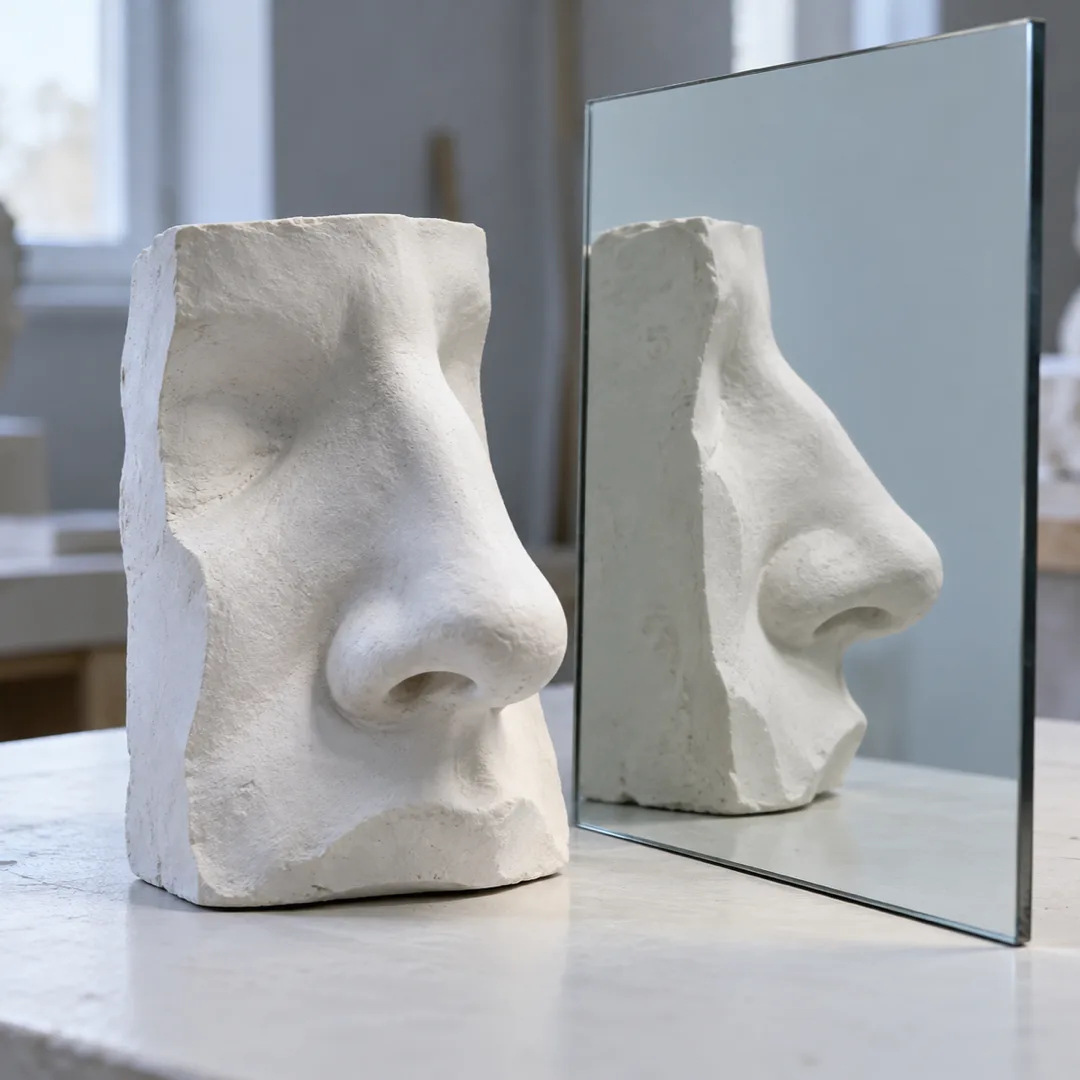
A single image captures lighting, camera distance, head tilt, and facial expression. A small change in any of these can make a nose look longer, shorter, wider, or narrower. When galleries show a result, it is worth asking whether the angles, lighting, and timing are consistent between the two images.
Healing takes a long time
Swelling is a normal part of recovery after nose surgery, and it tends to settle gradually. According to the American Academy of Facial Plastic and Reconstructive Surgery, the final shape of the nose can take a long time to appear, and the tip is often the last area to refine. An image taken soon after surgery may look quite different from one taken much later.
Skin and structure shape what is possible
Thick skin tends to show less definition after surgery, while thin skin can reveal small irregularities underneath. Cartilage strength, bone shape, and the proportions of the face also influence what a surgeon can realistically do. A nose that looks wonderful on one face may not suit another, even with the same technique.
Function and appearance are linked
Changing the outer shape can affect the airway inside the nose. Surgeons often discuss both together, since a change made for looks may influence breathing, and a change made for breathing may influence looks. The Mayo Clinic notes that rhinoplasty carries general surgical risks, plus risks specific to the nose, and that outcomes vary between people.
How Results Differ Between Situations
Primary surgery versus revision surgery
First-time surgery generally starts with untouched tissue. Revision surgery, done after a previous operation, can be more complex because scar tissue is present and cartilage may have been removed or altered. Revision results are often described by surgeons as harder to predict, which is worth keeping in mind when browsing galleries that mix both types.
Cosmetic goals versus functional goals
Someone seeking a refined tip and someone seeking a straighter septum are asking for different things. Photos rarely show internal changes, so a gallery focused on appearance may not reflect what matters most to a person with breathing concerns. Insurance coverage can also differ depending on whether surgery is considered medically necessary, and that is a question for the insurer and the surgical office.
Different backgrounds and facial features
Nose shape varies widely across families and ancestries. A good plan usually respects the person's overall facial balance rather than copying a single ideal. When looking at images, it can help to focus on patients whose features resemble your own, while remembering that resemblance does not guarantee a similar outcome.
Age and health factors
Skin elasticity, bone maturity, medical history, and habits such as smoking can all play a role in healing. Surgeons commonly ask about these during a consultation. Because they influence recovery, they are part of why two people with similar noses can heal differently.
Common Misunderstandings About Results
"The photos are what I will get"
Gallery images show what happened for other people. They may illustrate a surgeon's style and skill, which is useful, but they are not a promise. Results vary, and no ethical clinic can guarantee a specific outcome.
"A natural look means nothing changed"
Many people want a nose that looks like theirs, only better balanced. That goal usually involves subtle adjustments, which can be hard to judge from photos. A modest change may look dramatic on a small face and barely noticeable on a larger one.
"If I am unhappy, it can simply be redone"
Revision surgery exists, but it is not a simple reset. Surgeons often recommend waiting for full healing before considering it, and tissue that has already been operated on may behave differently. The American Society of Plastic Surgeons encourages people to think carefully about realistic expectations before a first procedure.
"Edited or filtered images are rare"
Images online can be retouched, lit differently, or taken with different lenses. This is not always intentional deception, but it does mean photos from social media deserve extra caution. The Federal Trade Commission has general guidance on truthful advertising, and consumers are encouraged to treat dramatic claims with skepticism.
Using Photos Wisely Before a Consultation
Photos can still be useful when used as conversation tools rather than predictions. Bringing a few images that show what you like, and what you do not, helps a surgeon understand your taste. Many surgeons also use digital imaging to discuss possibilities, though such images are illustrations, not promises.
It can also help to ask about the surgeon's training, board certification, and the facility where surgery would take place. Asking to see results for people with similar features, and asking how long after surgery the photos were taken, gives context that a gallery alone may not. Questions about risks, recovery, anesthesia, and what happens if you are unhappy are all reasonable.
Emotional readiness matters too. Some people find that photos fuel unrealistic expectations or a constant search for flaws. If appearance concerns feel overwhelming or are affecting daily life, talking with a licensed mental health professional alongside a surgical consultation may be worthwhile.
Conclusion
Rhinoplasty before and after results are real but individual, and photos show only part of the story. Timing, angles, anatomy, healing, and the surgeon's plan all shape what a person ends up with. Treat galleries as a starting point for questions rather than a preview.
- Photos are snapshots: lighting, angle, and timing can change how a nose appears.
- Healing is gradual: final results may take a long time to settle, and outcomes vary from person to person.
- Consultation matters: a qualified surgeon can discuss your anatomy, goals, risks, and realistic expectations.
Consider seeking professional care if you have breathing difficulty, ongoing nasal pain, an injury to the nose, or distress about your appearance. After surgery, contact your surgical team promptly for signs such as heavy bleeding, fever, worsening pain, or sudden vision changes, and seek emergency care if symptoms feel severe.
Disclaimer: This article is for informational purposes only and is not a substitute for professional medical advice, diagnosis, or treatment. Please consult a licensed professional for personal health decisions.
Related reading: Ethnic Rhinoplasty for Asian Nose: What to Know First