Semaglutide Prescription Cost Without Insurance: What the Total Really Looks Like
The price shown on a pharmacy screen or clinic website is rarely the same as what you end up paying, and that gap matters a great deal when you are looking at the semaglutide prescription cost without insurance. A single monthly figure can leave out visits, lab work, dose changes, and the ongoing nature of treatment. This article walks through costs in the order they tend to show up, so you can build a more realistic picture before you talk with a prescriber.
Prices vary by country, pharmacy, brand, and product type, so this article avoids quoting exact dollar amounts. Instead, it explains what drives the numbers and where people commonly get surprised.
What You Pay at the Start
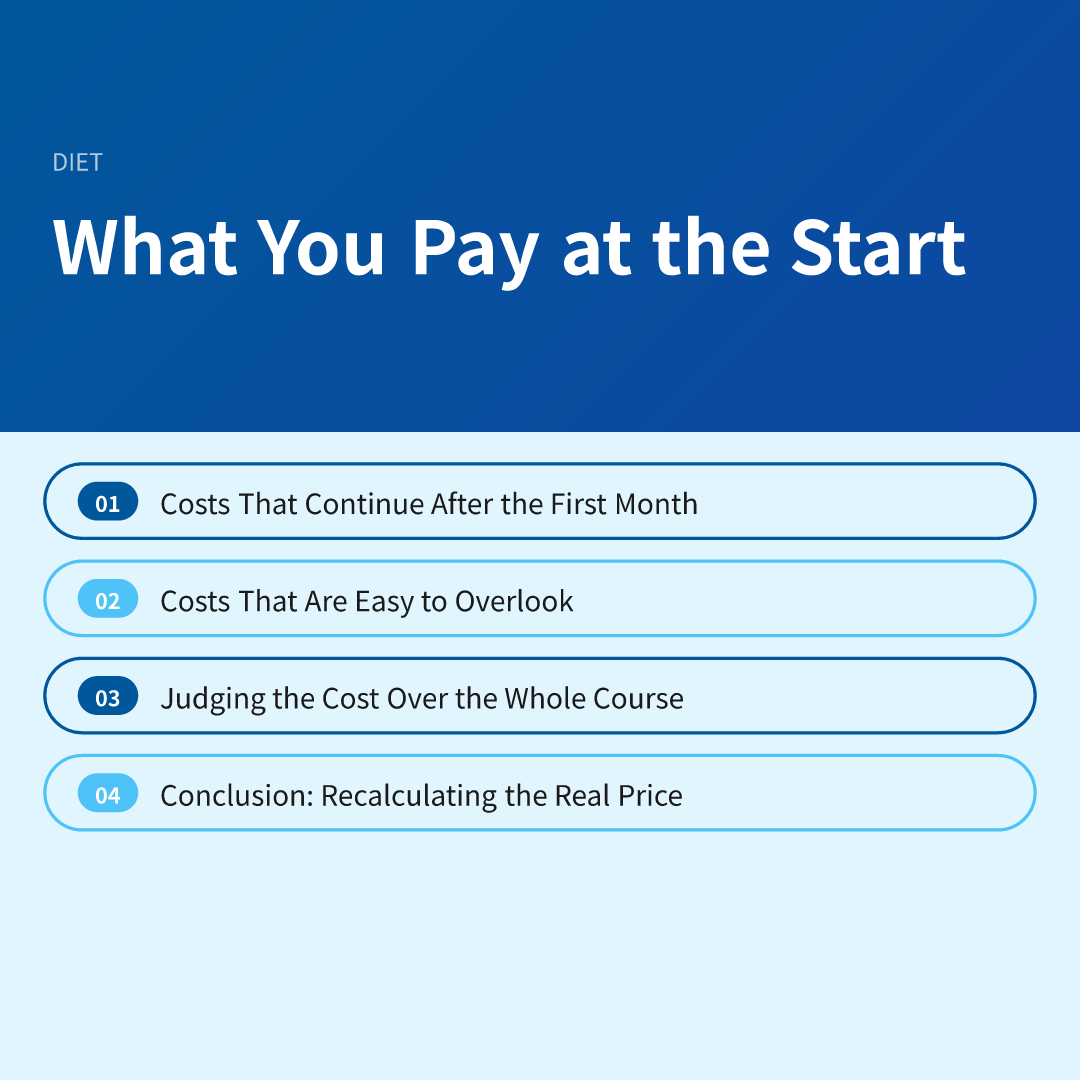
The first expense is usually the medication itself, but it is rarely the only one. Before a prescription is written, most people need an appointment, and that visit has its own fee when insurance is not covering it.
The visit and the evaluation
A prescriber typically reviews health history, current medications, and goals before deciding whether a semaglutide product is appropriate. According to the U.S. Food and Drug Administration (FDA), semaglutide products are prescription medicines, so a licensed clinician has to be involved. Visit fees differ widely between a primary care office, a specialty clinic, and a telehealth service.
Some clinics bundle the visit into a program price, while others bill it separately. It is worth asking which model applies, because a low-looking monthly number can sit next to a separate membership or consultation charge.
Baseline testing
Clinicians sometimes order blood work or other checks before starting. Whether this is needed depends on your health history and the prescriber's judgment. Without insurance, each test may carry its own fee, and those add up even when the medication price looks reasonable.
The first fill of the medication
Brand-name semaglutide products are generally priced high in the United States when paid out of pocket. The FDA has also noted in its public communications that compounded versions are not the same as approved products, and that approved and compounded options differ in oversight. Because the rules and supply situation around these products have shifted over time, it is wise to confirm with a pharmacist what exactly is being dispensed and under what approval status.
Related reading: GLP-1 Weight Loss Medication Cost: Why Prices Differ So Much
Costs That Continue After the First Month
Semaglutide is generally understood to be a medication that people stay on for an extended period when it works for them, rather than a short course. That changes how the cost should be viewed. A price that feels manageable for one month becomes a very different commitment when multiplied across a long stretch.
Refills and the recurring price
Each refill carries the medication price again. Some pharmacies and manufacturers offer savings programs or cash-price options, but eligibility rules often exclude certain people, and those programs can change. Check the terms directly with the manufacturer or pharmacy rather than relying on a third-party summary.
Dose changes along the way
Prescribers commonly adjust the amount over time based on how a person responds and tolerates the medicine. Dose decisions belong to the prescribing clinician and are described in the product's official labeling. What matters for budgeting is that different strengths may be priced differently, so the cost in month one may not match the cost several months later.
Follow-up visits
Ongoing monitoring usually means periodic appointments. Without insurance coverage, each follow-up may be billed separately, or it may be folded into a subscription. Ask which applies before you commit.
Supplies and related products
Injectable products may involve pen needles or disposal containers, depending on the product. Some come with these included and some do not. It is a small line item, but it is easy to forget.
Costs That Are Easy to Overlook
This is where the gap between the advertised figure and the real figure tends to widen. None of these items are dramatic on their own, but together they can change the math.
- Membership or program fees: Some telehealth and weight-management services charge a recurring fee on top of the medication.
- Shipping and pharmacy handling: Mail-order options may add delivery charges or require specific pharmacies.
- Side-effect management: Reactions vary from person to person. Digestive effects such as nausea can occur with this class of medication, so it is worth asking your pharmacist or doctor what to watch for. Any over-the-counter or prescribed remedies, or extra visits to address symptoms, are an added cost. Ask a pharmacist or doctor before using anything alongside it.
- Food and lifestyle spending: Changing eating patterns can shift grocery spending up or down. This is personal and hard to predict.
- Supply interruptions: If a product is hard to find, people sometimes pay more at a different pharmacy or switch products, which can change both price and how the plan works.
- Cost of stopping: General clinical understanding is that weight and appetite changes may shift after stopping, so some people need to plan for what comes next, which may include further appointments or other support.
Judging the Cost Over the Whole Course
Once the pieces are laid out, the useful move is to stop comparing monthly sticker prices and start comparing total cost over a period you would realistically stay in the program. A slightly cheaper medication paired with expensive visits and fees can end up costing more than a pricier one with everything included.
Compare like with like
When you collect quotes, make sure they describe the same thing: the same product, the same approval status, the same included services. Two numbers that look similar may not be measuring the same package. Also note whether the price you were quoted is introductory or ongoing.
Think about how long you expect to continue
Duration is the biggest unknown. Your prescriber can discuss how long treatment is typically considered for your situation, and that conversation should happen before you decide whether the expense is sustainable. Results differ between people, and no outcome can be promised, so it helps to plan for the possibility that treatment lasts longer than you first expect.
Consider whether a different route makes sense
Insurance coverage rules for weight-related medications differ by plan, and some plans cover them for certain conditions but not others. Employer plans, manufacturer assistance programs, and patient assistance resources vary, and eligibility is specific to each. Speaking with a pharmacist or your clinic's billing staff is a reasonable way to learn what exists without guessing.
Weigh other approaches honestly
Medication is one option among several for people managing weight or related conditions. Nutrition counseling, structured eating plans, physical activity support, and other prescription options are also discussed in general health guidance. The Centers for Disease Control and Prevention (CDC) describes healthy eating and physical activity as foundations of weight management. A clinician can explain how these fit together for you, and what makes sense financially depends on your health situation.
Who should be especially careful
People with certain medical histories, those who are pregnant or planning pregnancy, and those taking other medications are generally advised to discuss any new prescription carefully with a qualified professional. Do not buy semaglutide from sources that do not require a prescription or that cannot show what they are selling. A low price from an unverified seller can carry costs that are not financial.
Conclusion: Recalculating the Real Price
The semaglutide prescription cost without insurance is better understood as a stream of costs over time than as one monthly number. The start, the recurring months, and the easily missed extras each have a different character, and the total depends heavily on how long treatment continues. Because every person's health picture and local pricing differ, the numbers that matter most are the ones you gather from your own prescriber and pharmacy.
Three steps to recalculate the total cost
- List every cost by stage. Write down the first-visit and testing fees, the recurring medication price, and every extra such as memberships, shipping, and follow-ups.
- Pick a realistic time frame. Choose a period you could plausibly stay on treatment, ask your prescriber what to expect, and multiply the recurring costs across it, including possible dose-related price changes.
- Compare full packages and ask about alternatives. Put quotes side by side only when they cover the same product and services, then ask a pharmacist, clinician, or insurer about coverage and assistance options before deciding.
Disclaimer: This article is for informational purposes only and is not a substitute for professional medical advice, diagnosis, or treatment. Please consult a licensed professional for personal health decisions.