Semaglutide Weight Loss for Non Diabetics: What to Know
Maybe a friend mentioned a weekly injection, or a social feed is full of people talking about appetite suddenly going quiet, and now you are wondering whether a diabetes-origin medicine is a legitimate option when you do not have diabetes. Semaglutide weight loss for non diabetics is possible in some cases, because certain semaglutide products are approved for chronic weight management in adults who meet specific criteria, but it requires a prescription, medical supervision, and a realistic view of side effects and long-term commitment.
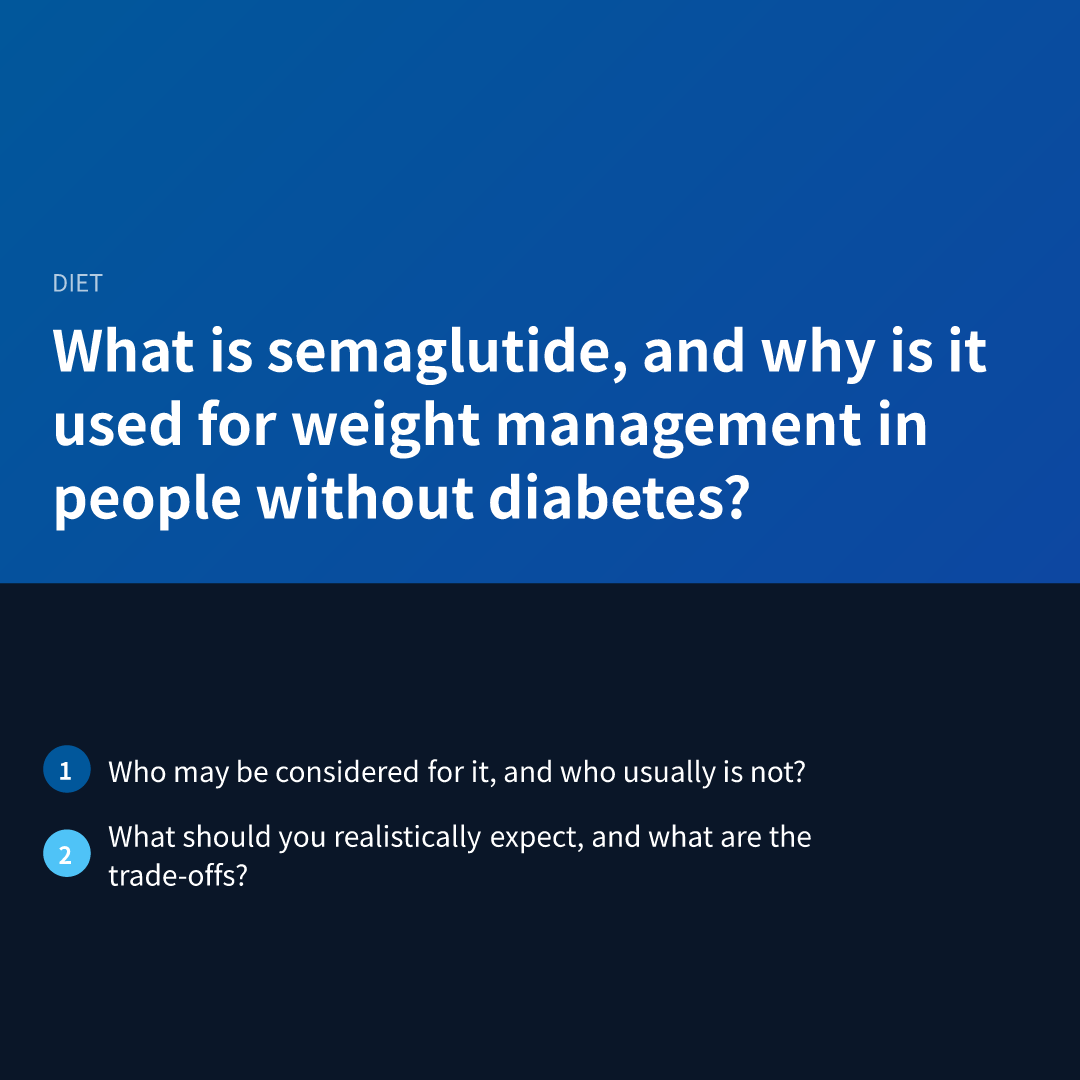
What is semaglutide, and why is it used for weight management in people without diabetes?
Semaglutide is a medicine that mimics a natural gut hormone called GLP-1, which is involved in blood sugar regulation and appetite signaling. It was first developed for type 2 diabetes. Later, higher-strength versions were studied specifically for weight management, and the U.S. Food and Drug Administration has approved a semaglutide product for chronic weight management in certain adults, used alongside a reduced-calorie eating pattern and increased physical activity.
The idea is fairly straightforward. According to general FDA and NIH descriptions of this drug class, GLP-1 medicines can slow how quickly the stomach empties and influence appetite pathways in the brain, so many people report feeling full sooner and thinking about food less often. That is a description of how the medicine works in general, not a promise about what will happen for any one person.
It helps to separate a few things that often get blended together online:
- Diabetes products and weight-management products may share the same active ingredient but are labeled, strengthened, and approved differently.
- Prescription status matters. Semaglutide is a prescription medicine, not a supplement or a wellness product.
- It is meant to be one part of a broader plan that includes eating patterns, movement, sleep, and ongoing follow-up.
Because the medicine acts on appetite rather than "melting" anything, it is better thought of as a tool that can make lifestyle changes easier to sustain for some people. It does not replace those changes, and it does not work the same way for everyone.
Who may be considered for it, and who usually is not?
Eligibility is decided by a licensed prescriber, not by a quiz or a social media post. According to FDA labeling for weight-management semaglutide products, the approved use is generally for adults with obesity, or for adults who are overweight and also have at least one weight-related health condition, alongside diet and activity changes. A clinician looks at body mass index, other health conditions, current medicines, and personal goals before deciding whether it fits.
That is why people who want to lose a modest amount of weight for appearance, or who are already within a typical weight range, are generally not the intended audience. Medical organizations such as the NIH and the CDC describe weight management as a health-focused goal, and the risks of a prescription medicine are weighed against the potential benefits for each individual.
Situations where a prescriber may be cautious
Certain histories typically call for extra care or may rule the medicine out. FDA labeling for this drug class includes boxed and standard warnings, and the details are worth reading with a professional rather than skimming alone. Topics commonly raised in those conversations include:
- A personal or family history of certain thyroid tumors, or a rare hormone-related condition affecting multiple glands.
- A history of pancreatitis or significant gallbladder disease.
- Pregnancy, plans to become pregnant, or breastfeeding.
- A history of disordered eating, since a medicine that suppresses appetite can interact with that in complicated ways.
- Kidney problems, severe digestive conditions, or diabetic eye disease in people who also have diabetes.
- Other medicines that may interact or be affected by slower stomach emptying.
This list is a conversation starter, not a screening tool. Only a clinician who knows your full history can say whether any of these apply to you in a meaningful way.
A note on compounded and online products
Shortages of brand-name products have led to a crowded market of compounded versions, telehealth bundles, and unregulated online sellers. The FDA has issued public communications about concerns with some compounded and counterfeit semaglutide products, including questions about ingredients, labeling, and dosing errors. If a product is sold without a real prescription, without a licensed pharmacy, or with promises that sound too good to be true, that is worth treating as a red flag.
A pharmacist can help you understand what a particular product is and where it came from. Asking that question before starting is entirely reasonable.
What should you realistically expect, and what are the trade-offs?
Expect gradual change, real side effects for some people, and the likelihood of needing a long-term plan. Weight management looks different for each person, and some people combine lifestyle changes with medical support, so it is worth asking a clinician what might fit your situation. Averages hide a lot of variation, though, and some people respond strongly while others respond modestly or not much at all.
The most commonly described side effects involve the digestive system. According to FDA labeling and MedlinePlus descriptions, these can include nausea, vomiting, diarrhea, constipation, stomach pain, and reduced appetite. Many people find these effects are most noticeable when the medicine is started or when the amount is changed, and prescribers typically adjust the schedule gradually for that reason. Exactly how and when changes are made is something your prescriber and the product instructions determine, not something to improvise.
Less common but important warning signs
Some symptoms deserve prompt medical attention rather than waiting it out. Federal labeling for this class of medicine describes concerns such as pancreatitis, gallbladder problems, dehydration affecting the kidneys, and allergic reactions. Contact a clinician or emergency services if you notice any of the following:
- Severe or persistent stomach pain, with or without vomiting.
- Signs of dehydration, such as very little urine, dizziness, or an inability to keep fluids down.
- Swelling of the face, lips, or throat, or difficulty breathing.
- A lump or swelling in the neck, hoarseness, or trouble swallowing.
- Yellowing of the skin or eyes, or pain in the upper right abdomen.
- Mood changes or distressing thoughts that feel new or intense.
What happens when the medicine stops?
Obesity is generally described by health agencies such as the NIH as a chronic condition, and research on this class of medicine suggests that some weight may return after stopping. That does not mean the medicine failed. It reflects how appetite regulation and body weight tend to behave over time. Anyone considering semaglutide may want to ask a prescriber early how long treatment is expected to last and what the plan would be afterward.
There are also practical trade-offs to weigh: cost, insurance coverage that varies widely, supply interruptions, regular follow-up visits, and the possibility of reduced muscle along with fat if protein intake and strength activity are neglected. A registered dietitian can help you think through eating patterns that feel sustainable and nutritionally adequate while appetite is lower.
Questions worth bringing to an appointment
- Does my health history make this a reasonable option, or are other approaches a better fit?
- Which specific product would be prescribed, and where would it be dispensed?
- What side effects should I expect early on, and when should I call the office?
- How will progress be monitored, and what would prompt a change of plan?
- What is the plan if the medicine is unavailable, unaffordable, or stopped?
Going in with these questions tends to make the visit more productive, and it keeps the decision where it belongs: between you and a licensed professional who can see the whole picture.
Frequently asked questions
Can semaglutide be bought without a prescription for weight loss?
No, semaglutide is a prescription-only medicine in the United States. Products sold online without a prescription, or marketed as "semaglutide supplements," are a concern, and the FDA has warned consumers about unapproved and counterfeit versions. A licensed prescriber and a licensed pharmacy are the safer route to ask about.
Do people without diabetes experience different side effects than people with diabetes?
The commonly described side effects, mostly digestive, are generally similar, but the context differs. People without diabetes typically have less concern about low blood sugar from the medicine alone, though that can change if other medicines are involved. A prescriber can explain which risks apply to your situation.
Is semaglutide a substitute for changing eating and activity habits?
No, the approved use is alongside a reduced-calorie eating pattern and more physical activity. The medicine may make those changes feel more manageable for some people, but it is not described as a replacement for them. A dietitian or clinician can help build habits that are realistic for your life.
Disclaimer: This article is for informational purposes only and is not a substitute for professional medical advice, diagnosis, or treatment. Please consult a licensed professional for personal health decisions.
Related reading: Weight Loss Doctor Prescription Requirements: What They Mean